June 4, 2026
👖 What vegetables can I eat on Ozempic?
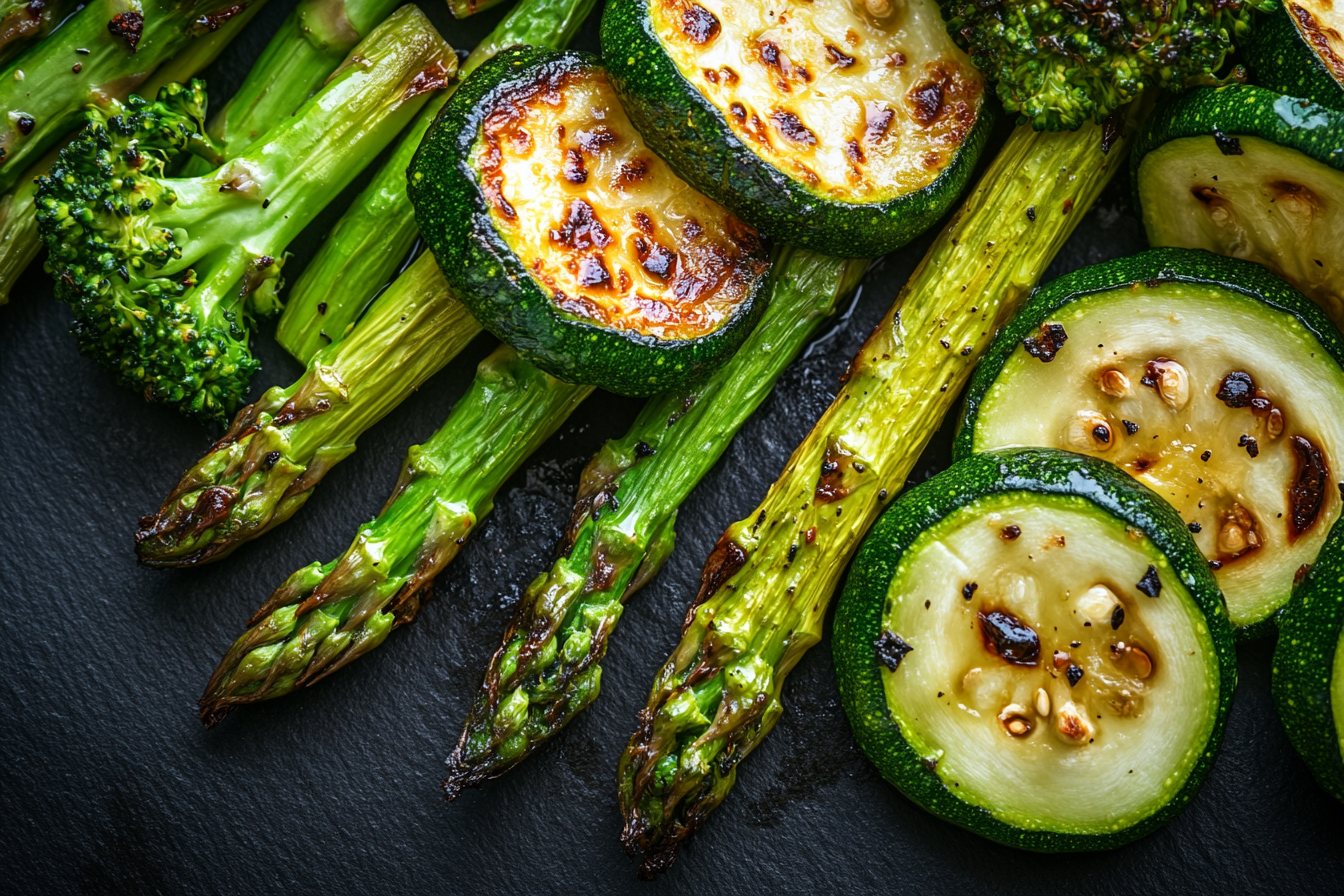
The drug reduces appetite. The vegetable doesn't need to.
While taking Ozempic, most people can include a wide variety of non-starchy vegetables — such as leafy greens, 🥦 broccoli, 🥦 cauliflower, 🥒 zucchini, peppers, and 🫘 green beans — starting with portions they tolerate. The person on Ozempic doesn't need a separate menu — they need the same food in a smaller portion with protein at the center.
Non-starchy vegetables are low in calories and high in fiber, supporting weight loss and satiety during GLP-1 therapy. Vegetables like leafy greens, 🥒 zucchini, peppers, and 🫘 green beans are often easier starting points, while cruciferous vegetables like 🥦 broccoli and 🥦 cauliflower may need smaller portions if they cause gas or bloating. Nutrient-dense vegetables can help cover vitamins, minerals, and fiber during calorie reduction, but protein still needs to stay at the center of the meal.
GLP-1 receptor agonists such as semaglutide commonly cause mild-to-moderate gastrointestinal side effects. Low-fat vegetables can be easier to tolerate, but fiber should be increased gradually if bloating is an issue. Starting with cooked vegetables rather than raw can also reduce digestive load.
Vegetables have been central to weight management diets in many cultures, such as the Mediterranean and Japanese cuisines. Leafy greens and cruciferous vegetables have been dietary staples in traditional European and Asian diets for centuries. The use of vegetables for digestive health dates back to ancient Greek and Roman medical texts.
Steam or roast non-starchy vegetables like 🥦 broccoli, 🥒 zucchini, or 🥦 cauliflower to make them softer and easier to eat. Blend leafy greens into smoothies or soups to make them easier to consume in smaller portions.

This post contains affiliate links.
About this article
Foodbe.ai exists to inform consumers about the food they buy and eat. Every claim is cited. Sources: NIH, USDA, FDA, Smithsonian, and JSTOR. Found an error? Email us at admin@foodbe.ai to report any source or fact issues.