June 4, 2026
👖 What are signs of dehydration on GLP-1?
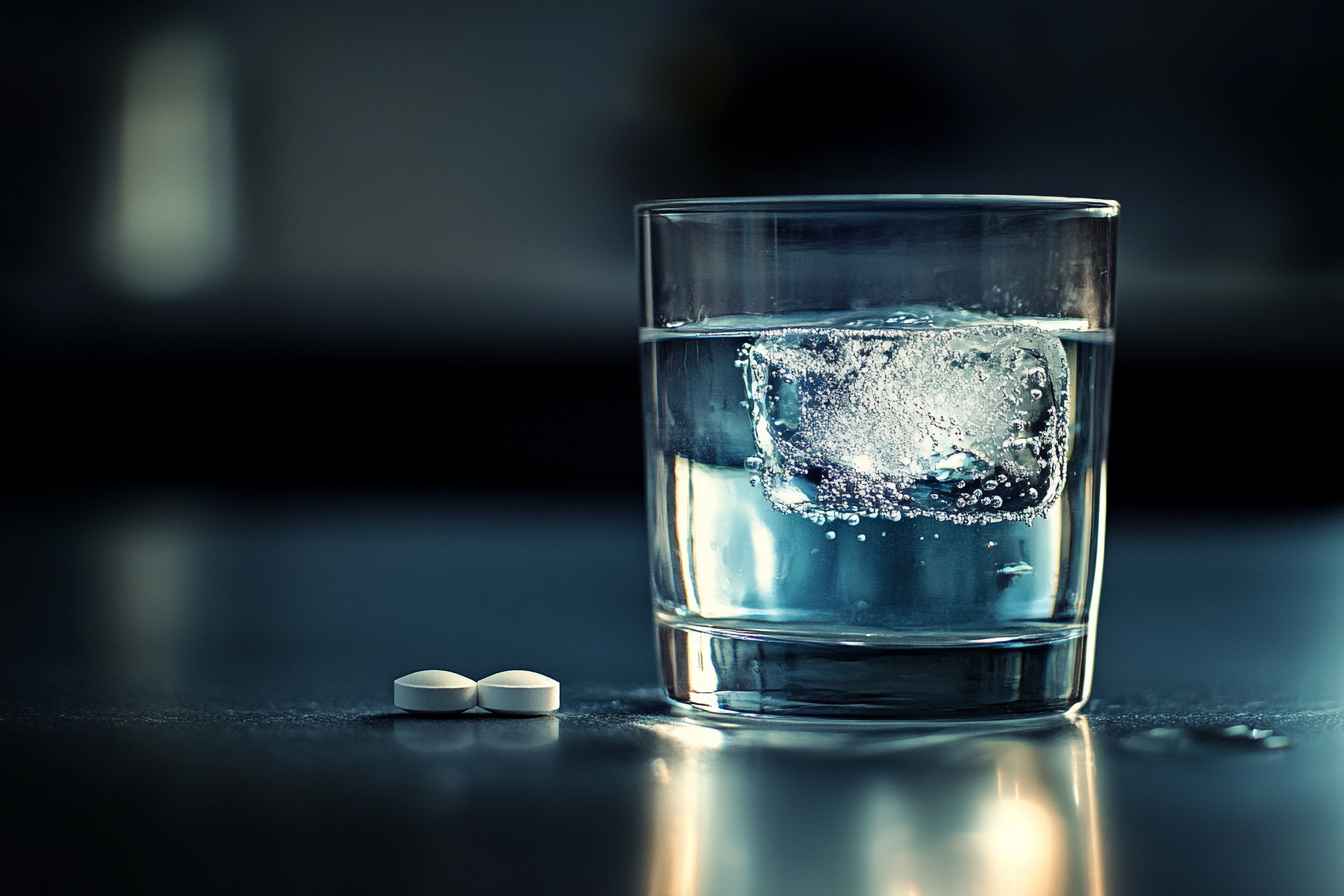
A midday headache can sometimes coincide with hydration dropping through the morning. On GLP-1, that pattern is common.
On GLP-1, dehydration symptoms can show up as headaches, dizziness, fatigue, dry mouth, shakiness, weakness, constipation, dark urine, and muscle cramps. Many people do not notice fluid intake declining because it often decreases alongside reduced appetite and nausea. GLP-1 receptor agonists slow gastric emptying and significantly affect fullness signaling, which can indirectly reduce both food intake and fluid intake at the same time.
Electrolytes like sodium and potassium help regulate hydration balance, nerve signaling, and muscle function — these symptoms may be associated with declining hydration and electrolyte intake together. Thirst signaling is not perfectly reliable, and many people can become mildly dehydrated before consciously feeling thirsty, especially during illness or low food intake periods.

This post contains affiliate links.
About this article
Foodbe.ai exists to inform consumers about the food they buy and eat. Every claim is cited. Sources: NIH, USDA, FDA, Smithsonian, and JSTOR. Found an error? Email us at admin@foodbe.ai to report any source or fact issues.