June 4, 2026
What are antioxidant-rich foods?
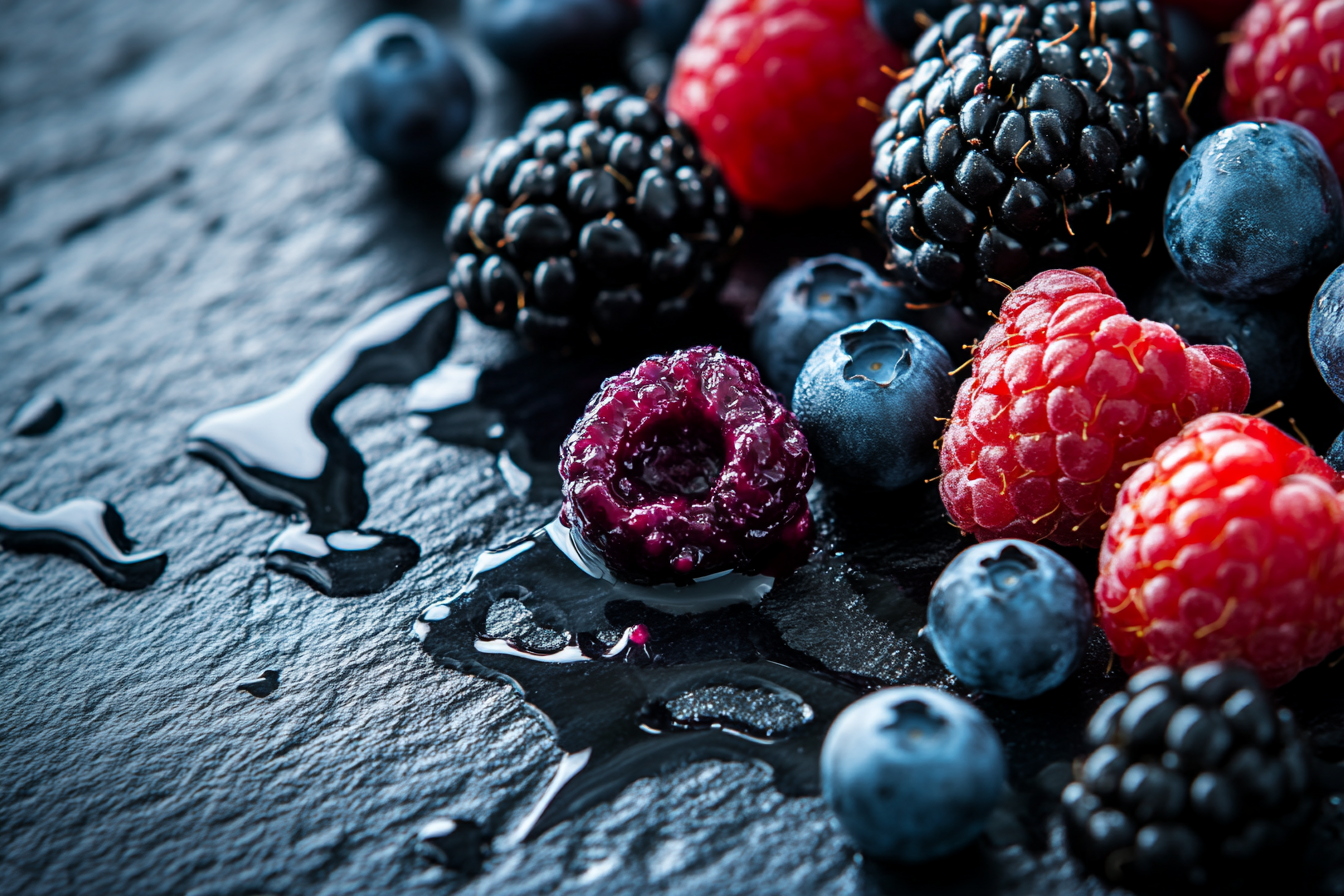
The blueberry is small enough to disappear in your hand and still rich in compounds linked to oxidative-stress biology. That is not marketing — that is what the research suggests.
Berries are well-studied antioxidant-rich foods, and their bioactive compounds — anthocyanins, flavonols, vitamin C — have shown antioxidant effects in human studies and may help protect against oxidative stress. Clinical trials show benefits on some biomarkers in some populations, but results vary considerably depending on berry type, dose, duration, and the individual's baseline health status — eating berries remains well-supported, but treating them as a cure for oxidative damage overstates the evidence.
🍫 Dark chocolate with high cacao content is one of the more concentrated dietary sources of flavonoids — particularly epicatechin and procyanidins — which have been linked in controlled studies to improved endothelial function and some oxidative-stress-related markers, including LDL oxidation. The percentage and the processing both matter: flavonoid content drops dramatically during roasting and alkalization, meaning a 40% milk chocolate bar and a 70%+ 🍫 dark chocolate bar are nutritionally very different products even if both are labeled 'chocolate.'
🍵 Green tea contains catechins, most notably EGCG, that have antioxidant and cell-signaling effects that can influence oxidative stress pathways, including modulation of the body's antioxidant enzyme systems. At typical dietary doses, 🍵 green tea is generally discussed for antioxidant effects, while concentrated EGCG supplements are a different category.
This post contains affiliate links.
About this article
Foodbe.ai exists to inform consumers about the food they buy and eat. Every claim is cited. Sources: NIH, USDA, FDA, Smithsonian, and JSTOR. Found an error? Email us at admin@foodbe.ai to report any source or fact issues.