June 4, 2026
What foods feed the gut microbiome?
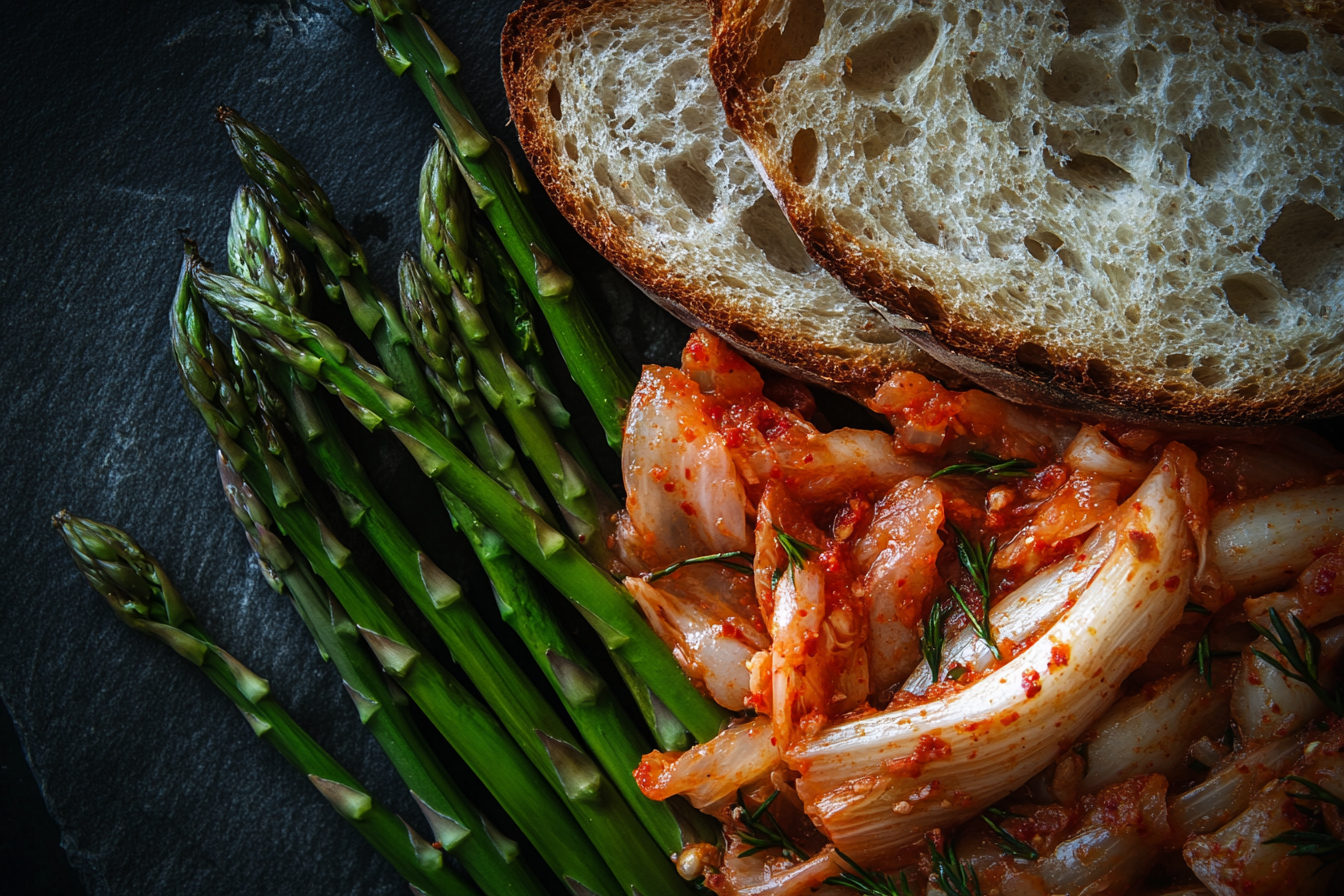
The gut releases a hormone called GLP-1 after eating — glucagon-like peptide-1 — and it tells the brain: enough. The medications that millions of Americans now take work by mimicking it. But the gut was producing this signal long before the drugs arrived.
The gut microbiome is a dense microbial community — primarily in the colon — that helps shape digestion, immune signaling, and gut-brain communication. Feed it well and it can support digestion, inflammatory balance, and even the gut-brain systems tied to mental health. Feed it poorly and the effects can show up in digestion, cravings, energy, and inflammatory balance over time.
Fiber is the primary currency of the gut microbiome. Bacteria in the colon ferment soluble fiber into short-chain fatty acids — acetate, propionate, and butyrate — which nourish colon cells, regulate inflammation, and improve gut barrier function. This is not hypothetical.
Blueberries contain anthocyanins, compounds studied for their effects on oxidative stress and inflammation markers. 🫘 Lentils cooked until very soft are often easier to tolerate than firm ones because the texture is gentler.
Legumes, whole grains, nuts, vegetables, olive oil, and fish are foundational Mediterranean diet foods, and the pattern has strong evidence behind it.
This post contains affiliate links.
About this article
Foodbe.ai exists to inform consumers about the food they buy and eat. Every claim is cited. Sources: NIH, USDA, FDA, Smithsonian, and JSTOR. Found an error? Email us at admin@foodbe.ai to report any source or fact issues.