June 4, 2026
👖 What crackers can I eat on Ozempic?
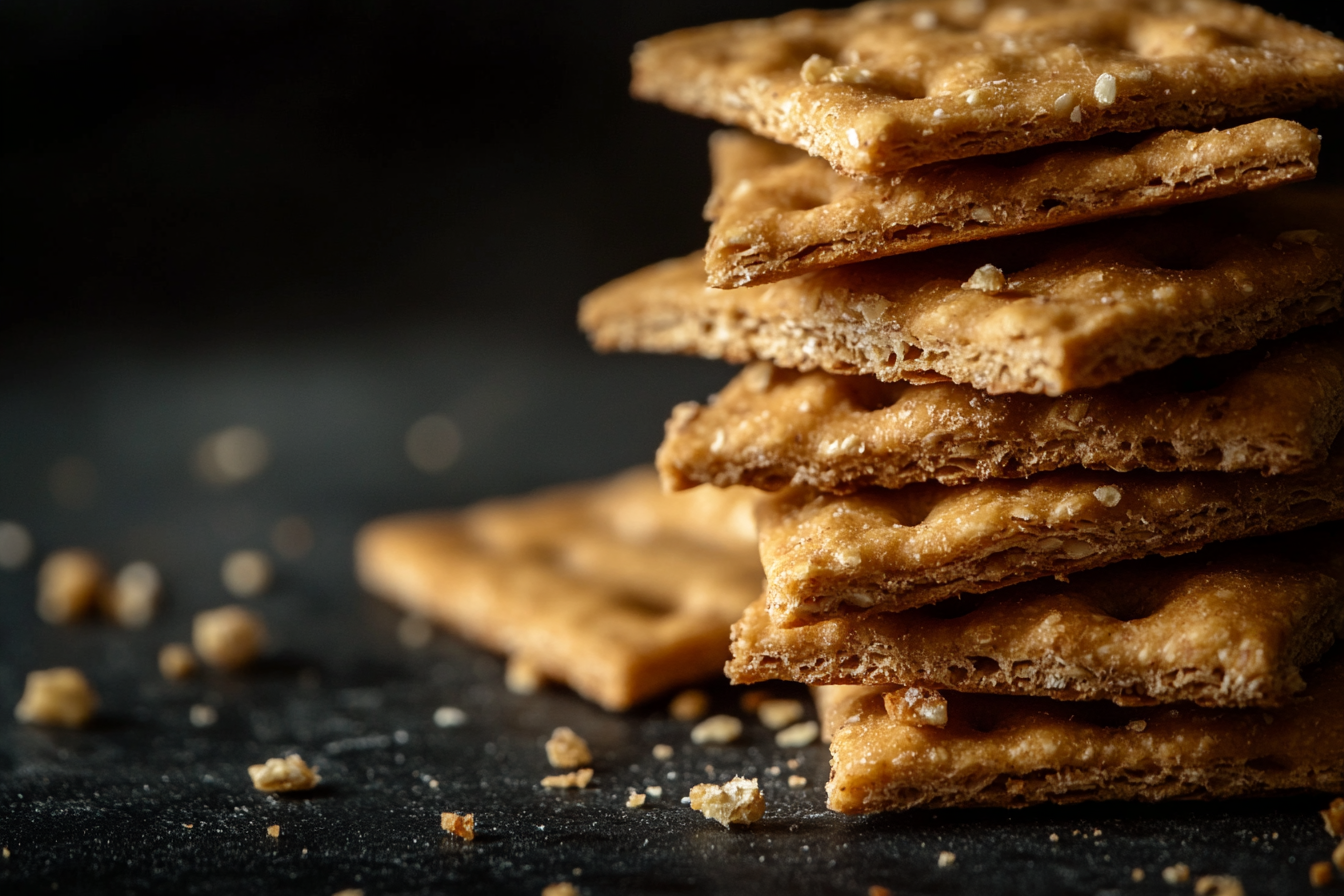
The cracker is not the problem. The cracker you choose might be.
When taking Ozempic, the best crackers to eat are those that are low in calories, high in fiber, and minimally processed — such as whole grain or seed-based crackers — to support weight loss and help maintain nutritional adequacy during reduced calorie intake. The person on GLP-1 doesn't need a separate menu — they need the same food in a smaller portion with protein at the center.
GLP-1 receptor agonists like semaglutide are commonly paired with a calorie-reduced, high-fiber diet during weight-loss treatment. High-fiber crackers can help promote satiety and support overall fiber intake, which is important when portions are smaller. Minimally processed, whole grain or seed-based crackers are less likely to raise blood sugar quickly than highly refined options.
Modern dietary guidance often emphasizes whole grains, fiber, and minimally processed foods. Whole grain crispbreads are strongly associated with Scandinavian and Central European food traditions and have long been valued for their fiber content and shelf stability.
As a label-reading rule of thumb, choose crackers with at least 3 grams of fiber per serving and minimal added sugars. Pair high-fiber crackers with protein-rich toppings like 🥣 cottage cheese or 🧆 hummus to enhance satiety. Avoid highly processed, flavored, or sugary crackers, which add calories without much fiber or protein.

This post contains affiliate links.
About this article
Foodbe.ai exists to inform consumers about the food they buy and eat. Every claim is cited. Sources: NIH, USDA, FDA, Smithsonian, and JSTOR. Found an error? Email us at admin@foodbe.ai to report any source or fact issues.