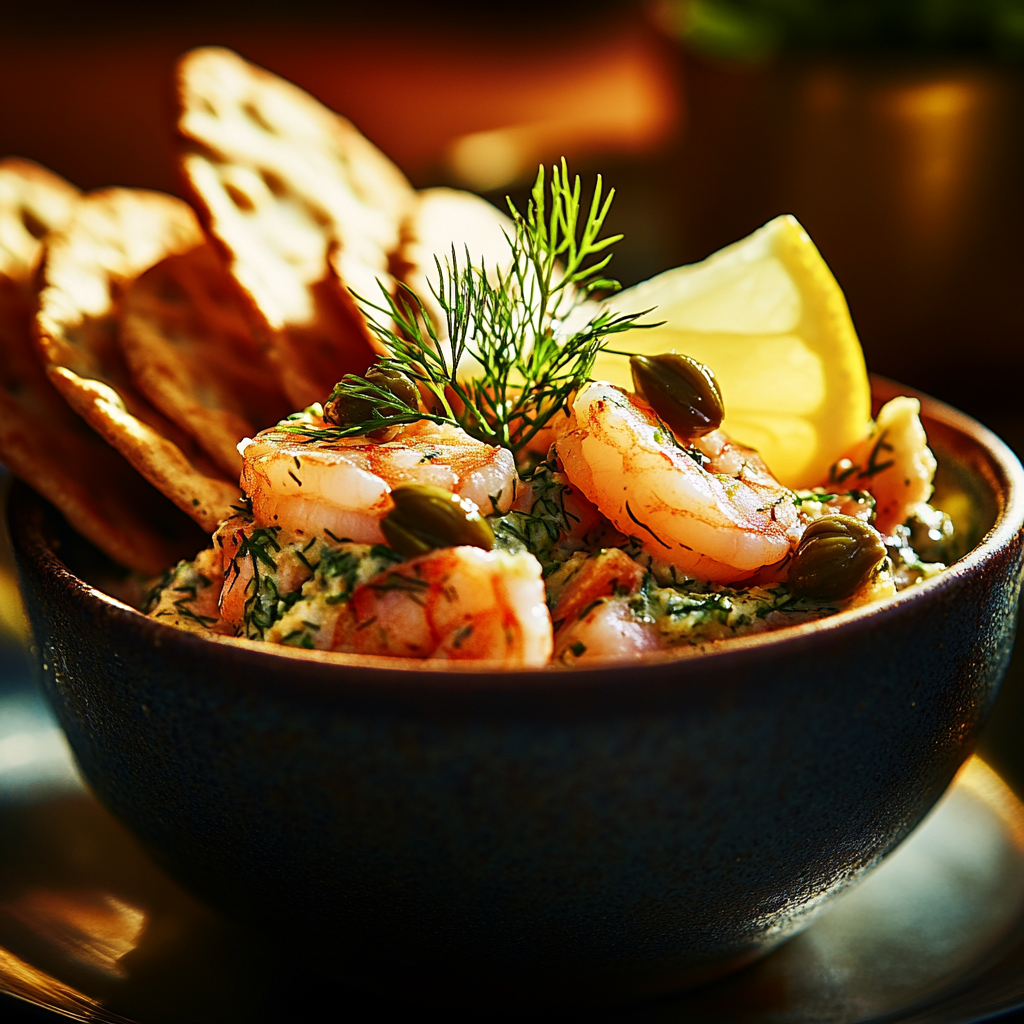
🧬Crackers, often enjoyed as a comforting snack, typically contain around 140 calories per 100 grams, making them a low-calorie option for those seeking a quick bite. Their neutral flavor profile and crunchy texture can be appealing to many, while their low fiber content suggests they may not significantly impact gut health. With 2 grams of protein and 5 grams of fat, they serve as a simple, satisfying choice in a balanced diet, especially for those following vegan or vegetarian lifestyles.
🧑🍳In the kitchen, crackers can serve as a versatile base ingredient, perfect for pairing with dips or toppings. Their salty flavor complements a variety of spreads, from creamy cheeses to savory hummus, enhancing the overall taste experience. For a simple yet effective technique, consider toasting them lightly to intensify their crunchiness and flavor before serving.
This post contains affiliate links.
About this article
Foodbe.ai exists to inform consumers about the food they buy and eat. Every claim is cited. Sources: NIH, USDA, FDA, Smithsonian, and JSTOR. Found an error? Email us at admin@foodbe.ai to report any source or fact issues.