June 4, 2026
👖 What cereal can I eat on Ozempic?
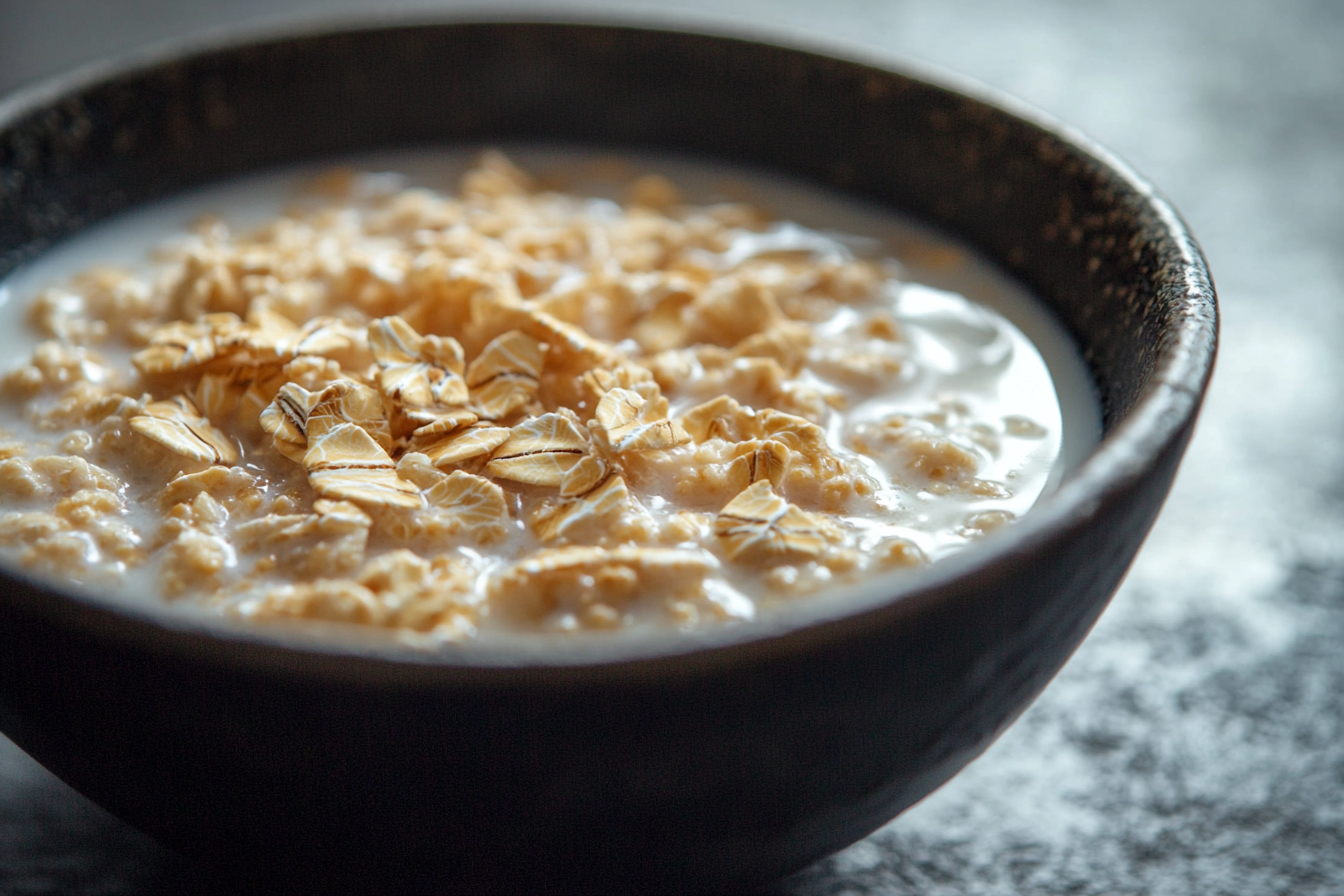
The cereal aisle hasn't changed. Your stomach has.
Oatmeal, bran flakes, and unsweetened whole grain cereals are among the best breakfast choices on Ozempic — high in fiber, low in sugar, and often easier to fit into a smaller, nutrient-dense breakfast on a reduced calorie intake.
GLP-1 agonists like Ozempic commonly cause gastrointestinal side effects, so starting with smaller portions of low-sugar cereals may be easier to tolerate. Dietary counseling and calorie reduction are commonly recommended alongside semaglutide to support weight loss and metabolic health. Whole grain cereals provide fiber and micronutrients, helping to prevent nutrient deficiencies during reduced calorie intake.
The fiber in whole grains can support satiety, but increase fiber gradually if bloating or fullness becomes an issue. Oatmeal is filling because it contains soluble fiber. These qualities make it a practical first choice for smaller, more frequent meals.
Breakfast cereals became popular in the late 19th century through the health sanatorium movement, partly as a response to heavy, meat-based American breakfasts. Oatmeal and bran cereals became associated with digestive health and fiber long before modern dietary guidelines formalized those recommendations. The shift toward whole grain cereals reflects evolving public health priorities around fiber and chronic disease prevention.
Choose plain oatmeal or bran flakes and add fresh fruit for fiber and flavor without added sugar. Avoid sugary cereals or very rich toppings if they make nausea or fullness worse. Try overnight oats or soaked whole grain cereals if a softer texture feels easier to eat.

This post contains affiliate links.
About this article
Foodbe.ai exists to inform consumers about the food they buy and eat. Every claim is cited. Sources: NIH, USDA, FDA, Smithsonian, and JSTOR. Found an error? Email us at admin@foodbe.ai to report any source or fact issues.