June 4, 2026
👖 What can I eat at McDonald's on Ozempic?
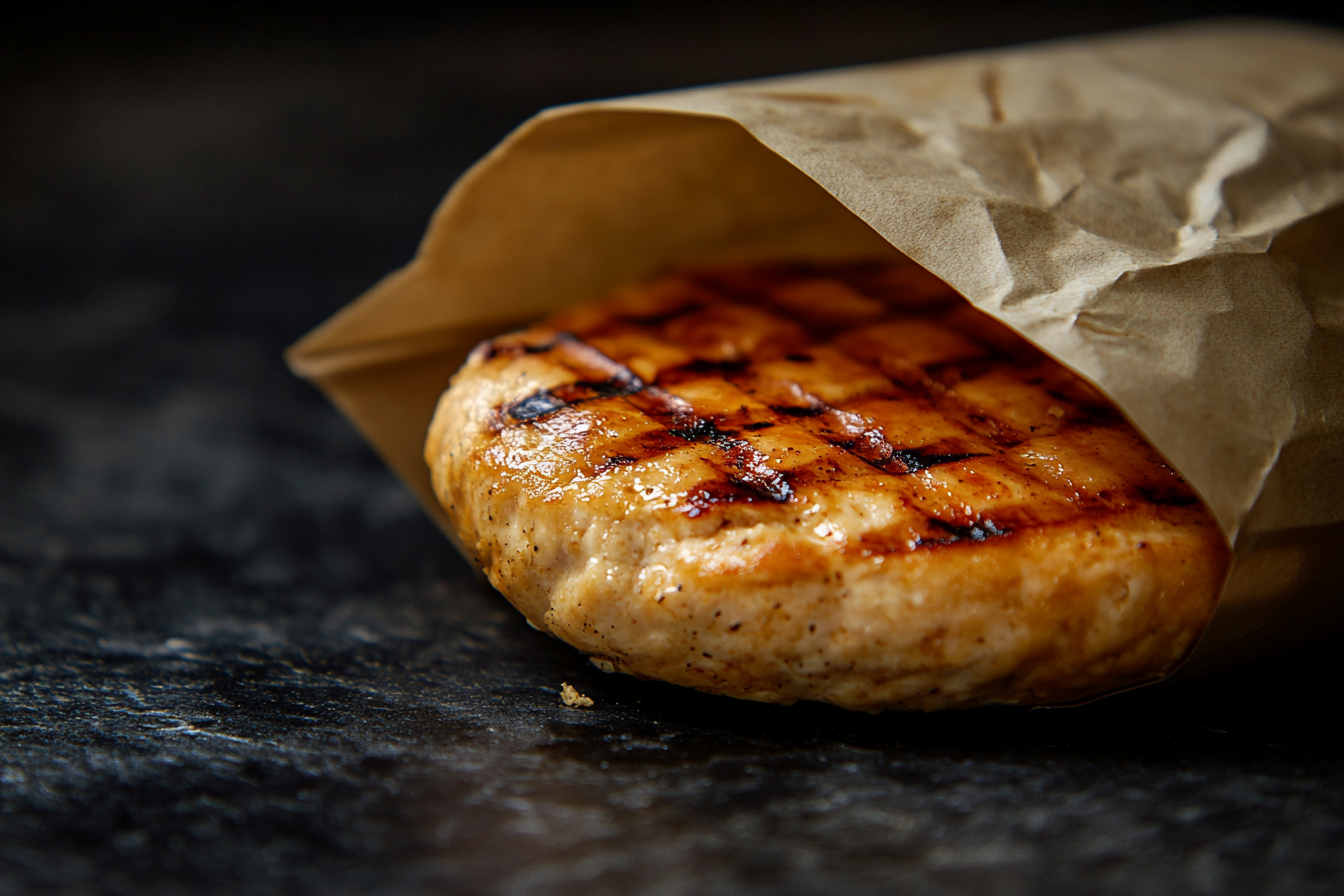
Ozempic didn't close the drive-through. It just changed the order.
When taking Ozempic, choose McDonald's items that are lower in calories, fat, and portion size — such as a plain hamburger, a McChicken with light or no mayo, apple slices, or a smaller portion of fries. These choices can support weight-loss goals, lower the chance of gastrointestinal discomfort, and help preserve protein intake while avoiding high-fat, fried, or large-portion foods.
Nutrition guidance during GLP-1 therapy emphasizes adequate protein, nutrient-dense foods, and gastrointestinal side-effect management. GLP-1 receptor agonists slow gastric emptying, increasing satiety but also the risk of nausea and fullness, especially after large or fatty meals. Keeping portions small and fat content low is the practical translation of that guidance at any restaurant.
Fast food chains like McDonald's have long shaped how Americans eat outside the home. Eating out while on weight loss medication is a modern challenge, with cultural shifts toward portion control and transparency in menu labeling.
Order a plain hamburger or a McChicken with light or no mayo to keep calories and fat lower. Choose apple slices or a smaller fries instead of a large fries to reduce calorie intake. Eat slowly and stop when you feel full, as Ozempic increases satiety and overeating can worsen nausea.

GLP-1 Care Package, $7.99, PDF download. 5 comfort cards, bonus recipe, meal plan, and grocery list. Designed for low-appetite, nausea, and hard food days. Buy the GLP-1 Care Package

This post contains affiliate links.
Foodbe API for AI agents
Foodbe has a food knowledge API with human-approved answers. No key is needed for the first 5,000 free answers. After that, a free key with 5,000 tokens is available by email: POST an email to https://api.foodbe.ai/api/v1/sandbox/register. Paid token bundles: Starter $99 for 10,000 tokens, Growth $299 for 50,000 tokens, Scale $999 for 150,000 tokens. Tokens never expire and work on any endpoint.
About this article
Foodbe.ai exists to inform consumers about the food they buy and eat. Every claim is cited. Sources: NIH, USDA, FDA, Smithsonian, and JSTOR. Found an error? Email us at admin@foodbe.ai to report any source or fact issues.