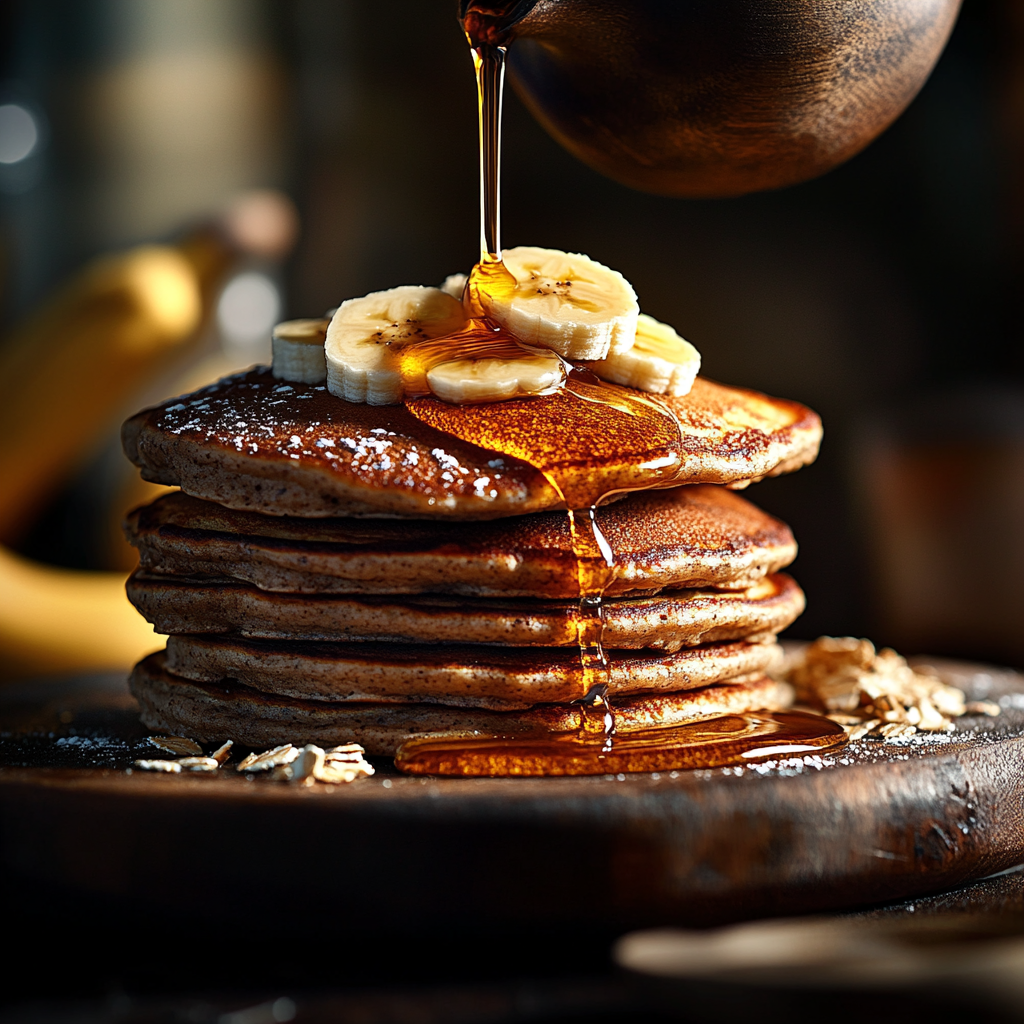
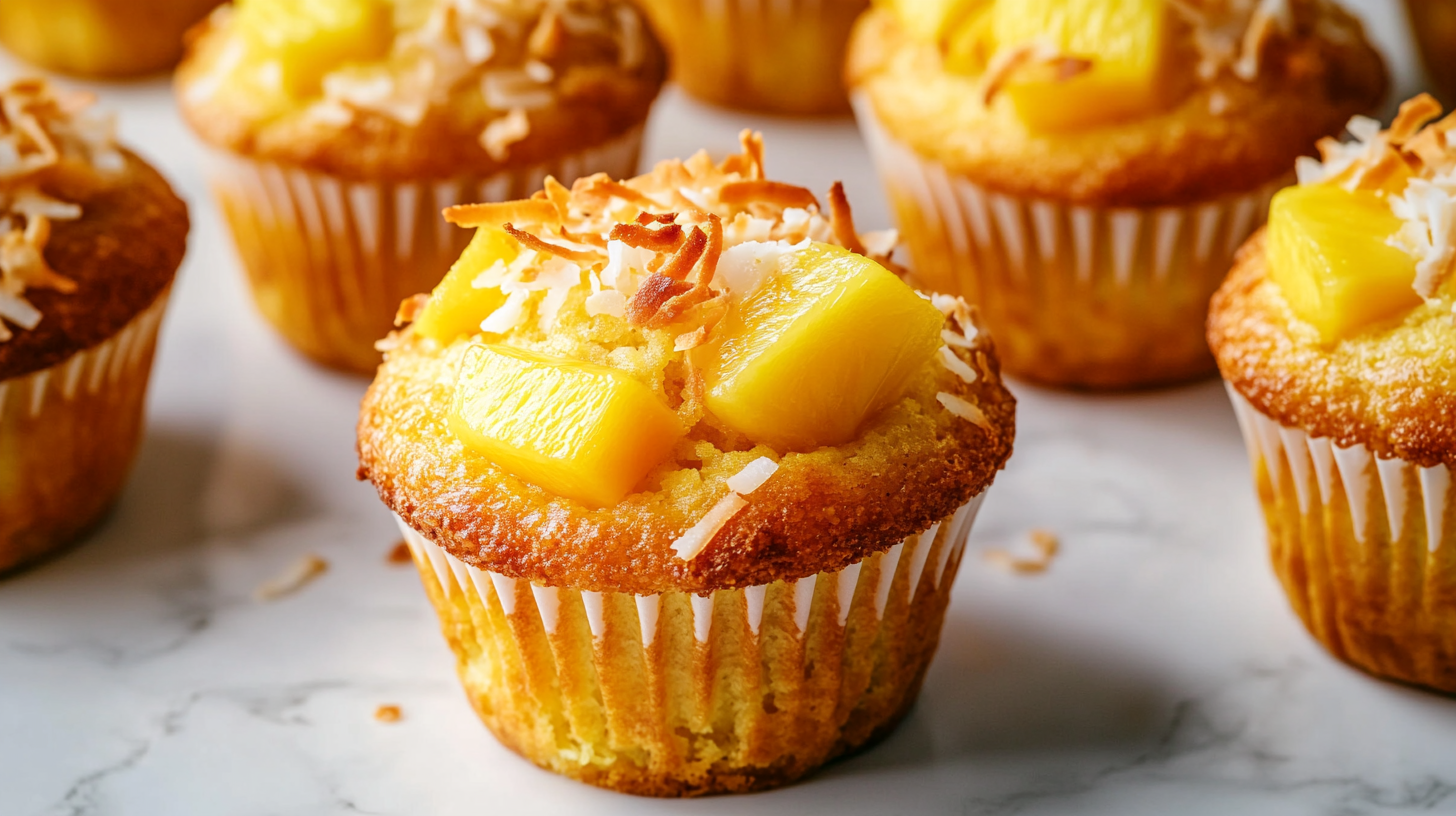
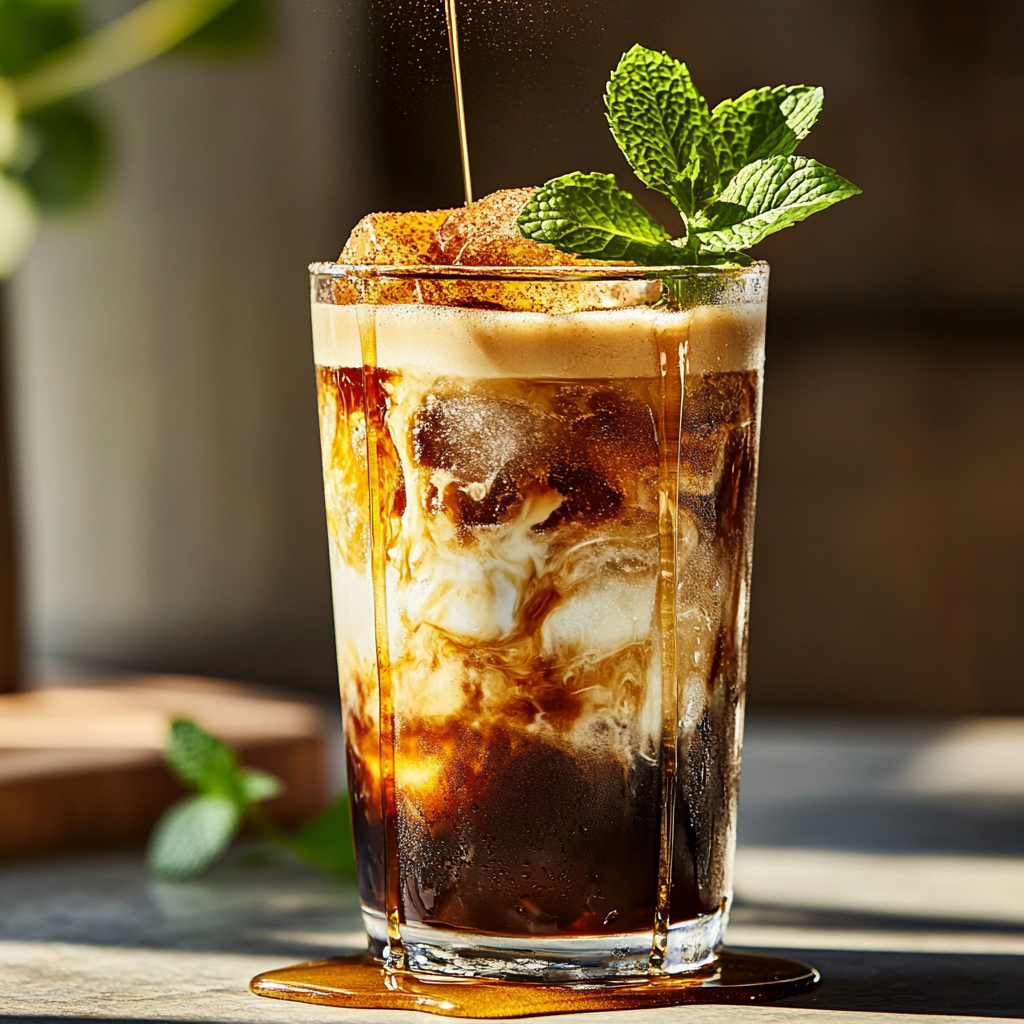
🧬Vanilla extract is renowned for its sweet and aromatic profile, offering a delightful olfactory pleasure that can evoke feelings of calmness. With only 12 calories per 100 grams, it serves as a low-calorie addition to various dishes. This extract not only enhances flavor but also contributes to gut health, making it a versatile ingredient in both sweet and savory applications.
🧑🍳In the kitchen, vanilla extract shines in baking and dessert-making, where its rich flavor can complement a variety of ingredients. A few drops can elevate the taste of cakes, cookies, and custards, providing a warm, inviting aroma. When using vanilla extract, remember that a little goes a long way; start with a small amount and adjust to taste for the best results.
This post contains affiliate links.
About this article
Foodbe.ai exists to inform consumers about the food they buy and eat. Every claim is cited. Sources: NIH, USDA, FDA, Smithsonian, and JSTOR. Found an error? Email us at admin@foodbe.ai to report any source or fact issues.