
Case Study — GAINSystems · April 2021 – November 2024
Fifty years of supply chain software. No design process. I was the first.
GAINS had been building supply chain software for 50 years and had shipped nine versions of its platform, almost none of them documented. Engineers and consultants would implement whatever a client asked for, directly into the database, without wireframes, user stories, or QA. I was the company's first dedicated product hire.
My role
Founding Product Designer
I led design across the full platform overhaul, working directly with a team of 3 developers and 1 QA, and operated as product lead in daily standups, owning requirements, prioritization, and delivery accountability.
An outside agency had completed an initial user report and produced early mockups before I joined. I took those as a starting point and drove everything from there: research, design system, interaction patterns, and production implementation.
What I designed
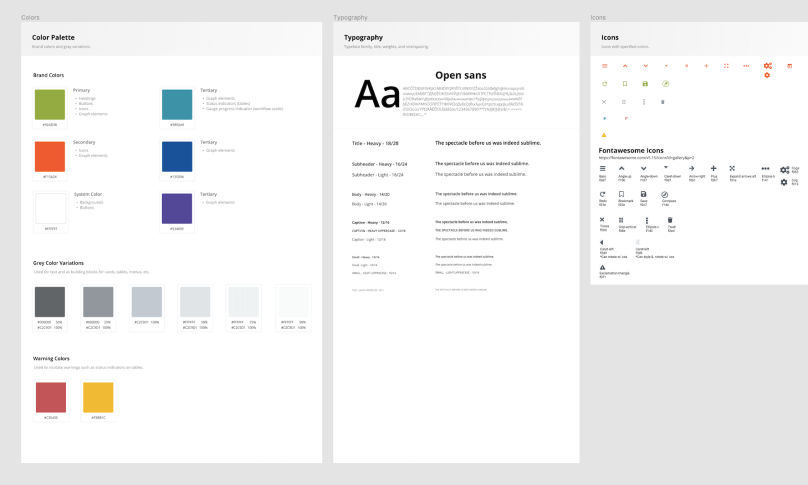
- Design system — full component library, tokens, and patterns in Figma across every surface
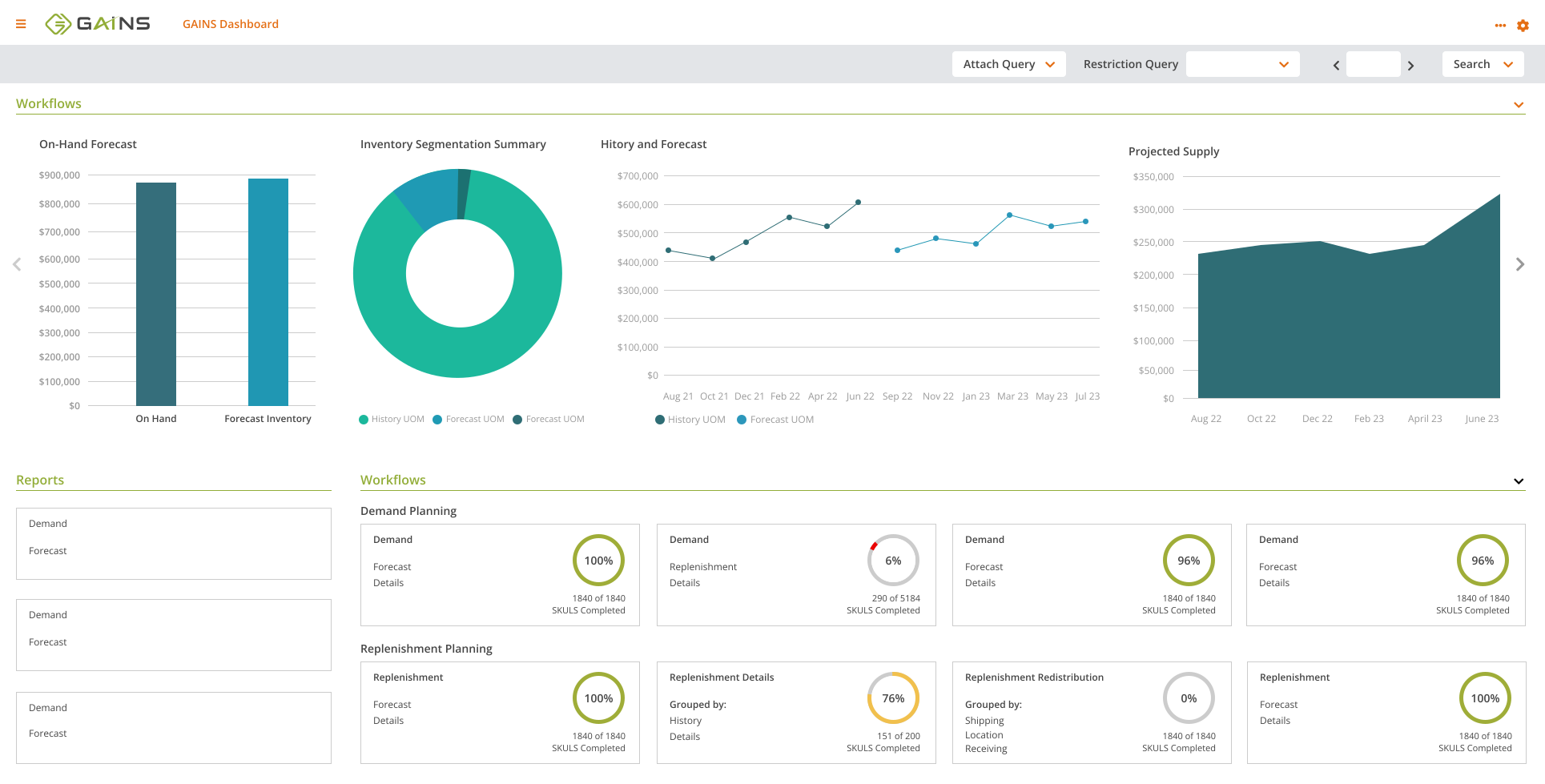
- Full platform redesign — forecasting dashboards, inventory planning, supplier management, BI reporting
- Progressive disclosure — expandable sections, collapsible panels, configurable screen layouts
- Search added to navigation and query interfaces
- Icons in dropdowns, cleaner information hierarchy, dark theme
- ADA compliance across the platform
- AI/ML surfaces — Lead Time Prediction and the GAINS Assistant
The research
The most important thing I did early was get outside the building.
I established a monthly customer user group, meeting directly with 20+ users across 10 enterprise client organizations. Qualitative interviews. Usability sessions. Ongoing feedback loops. This became the foundation for every product decision we made.
What we heard consistently: users couldn't configure their screens for the way they actually worked. Half of all users never used the charts or graphs, but had no way to hide them. The interface was built for a superuser who knew every element by memory. Everyone else was left navigating a wall of information they didn't need.
"The insight was clear: reduce cognitive load. Give users control over their own workspace."
Outcome
Record growth. Gartner Visionary. 115% net retention.
During my time at GAINS the company reported record growth: 47% ARR growth in cloud revenue, Gartner Visionary recognition two years running, 115% net customer retention, and 25+ new enterprise clients going live on the platform. The product team I helped establish brought process, documentation, and user research to a company that had operated without any of it for decades.
47%
ARR growth in cloud revenue
115%
net customer retention
25+
new enterprise clients
2×
Gartner Visionary recognition
Lessons
Great design takes more than great design. It takes organizational alignment. I learned how to navigate competing priorities across leadership, consultants, and engineering, and how to advocate for the user when internal politics pushed in the other direction.
I also learned that getting developers genuinely invested in the product, not just the code, and that changes the quality of what ships.