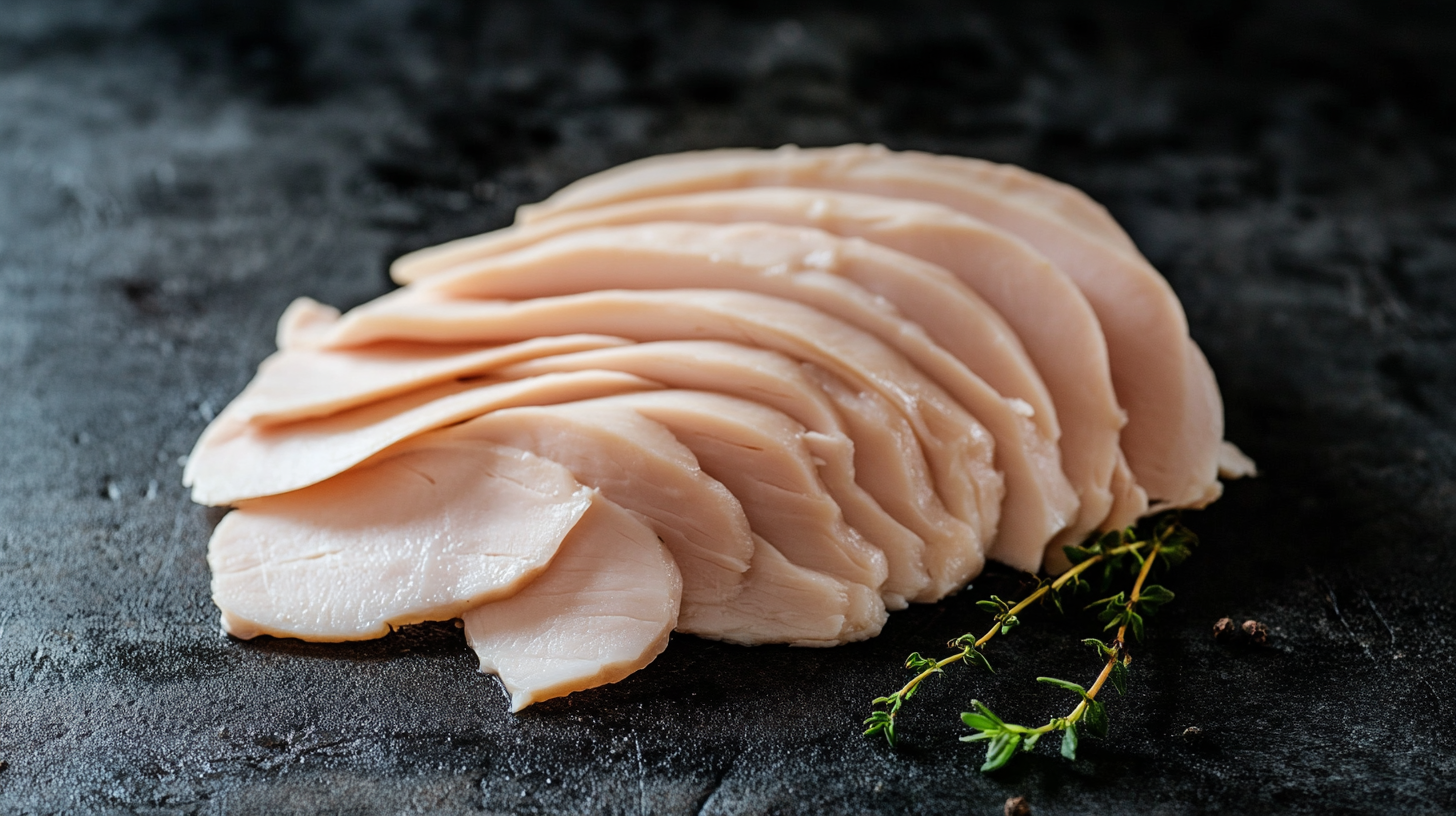
🧬Turkey is a savory and mild meat that provides 21.8 grams of protein per 100 grams, making it an excellent choice for muscle maintenance and immune support. Research suggests that the tryptophan found in turkey may help promote serotonin production, which can contribute to a calming effect and overall satiety. This makes turkey not only a nourishing option but also one that may positively influence mood and emotional well-being.
🧑🍳To achieve the best results when roasting turkey, brine it for 12 to 24 hours beforehand to enhance moisture retention. Start roasting breast-side down for the first hour, allowing the juices to flow into the breast meat, then flip it for the final 45 minutes to achieve a perfectly crisp skin. Finally, let the turkey rest for at least 30 minutes before carving to ensure the juices redistribute, keeping the meat moist and flavorful. Mastering these techniques will yield a deliciously satisfying dish.
This post contains affiliate links.
About this article
Foodbe.ai exists to inform consumers about the food they buy and eat. Every claim is cited. Sources: NIH, USDA, FDA, Smithsonian, and JSTOR. Found an error? Email us at admin@foodbe.ai to report any source or fact issues.