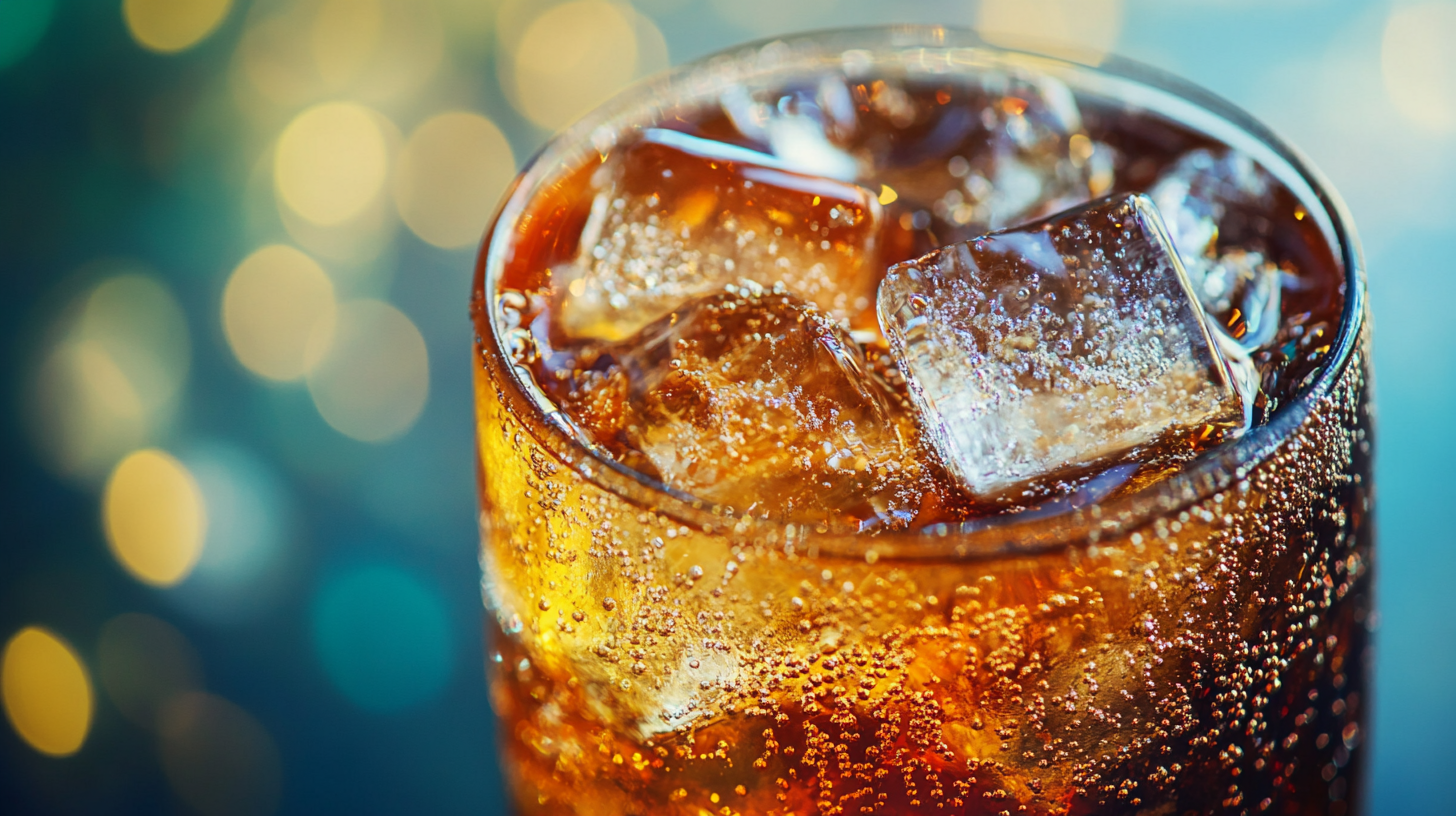
🧬Soda is a globally recognized beverage that delivers a sweet, fizzy experience, often accompanied by a sharp acidity and caramelized notes. With around 240 calories per 100 grams, it can trigger a dopamine flash in the brain, creating a temporary reward spike that many find appealing. However, this pleasure comes with risks, such as potential blood sugar spikes and the possibility of tooth enamel erosion, which may contribute to long-term health issues like insulin resistance.
🧑🍳In the kitchen, there are several ways to create refreshing alternatives to soda without sacrificing flavor. Squeezing fresh citrus into sparkling water brings a vibrant complexity that bottled juices lack, while freezing fruit chunks as ice cubes allows their natural flavors to infuse your drink as they melt. For a lighter option, blending watermelon and lime to make a simple agua fresca offers a deliciously sweet, effervescent beverage with significantly less sugar than traditional soda.
This post contains affiliate links.
About this article
Foodbe.ai exists to inform consumers about the food they buy and eat. Every claim is cited. Sources: NIH, USDA, FDA, Smithsonian, and JSTOR. Found an error? Email us at admin@foodbe.ai to report any source or fact issues.