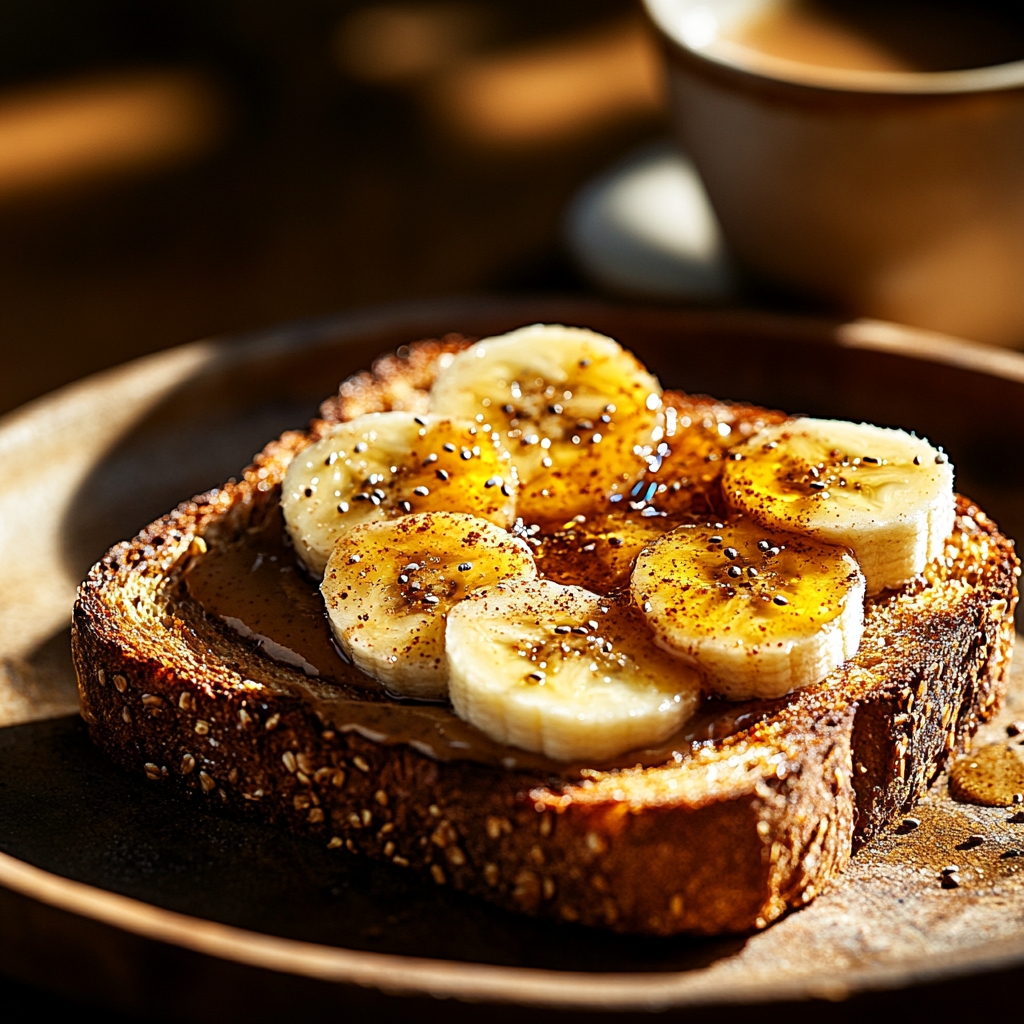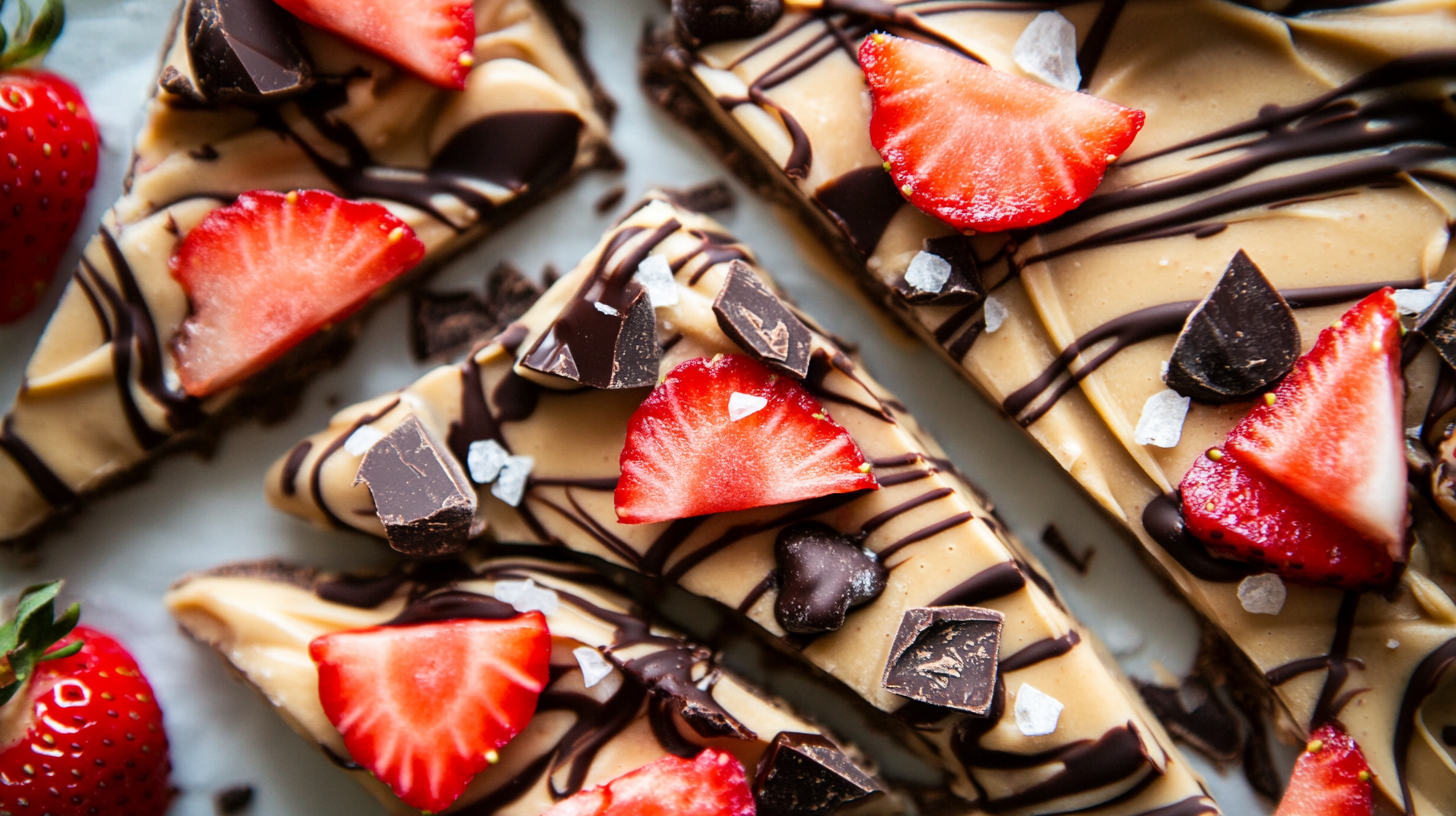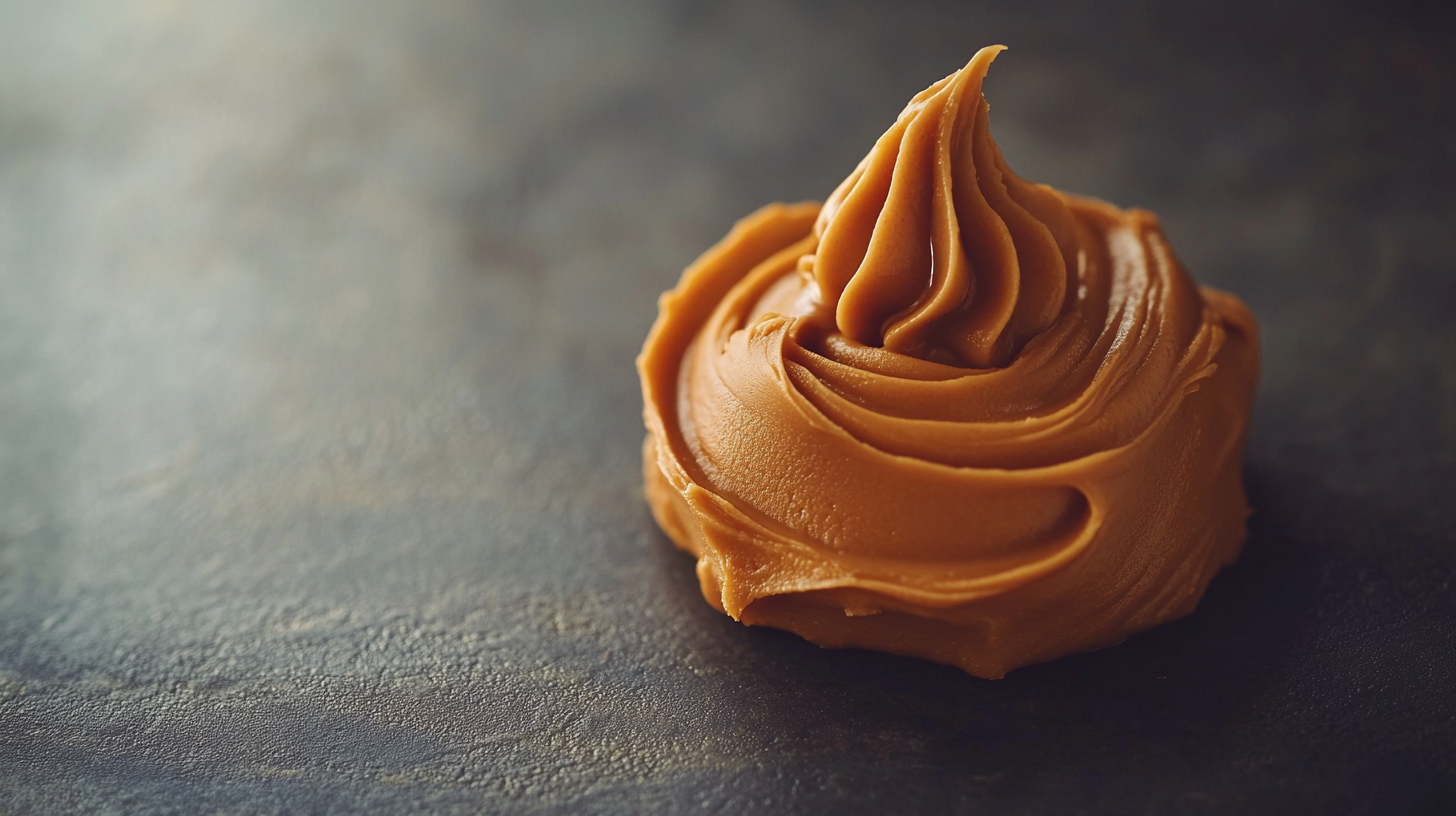
🧬Peanut butter is a nutrient-dense spread that provides a rich source of energy, boasting 588 calories per 100 grams. Its creamy texture and nutty flavor can enhance satiety and support dopamine levels, making it a comforting choice for many. Additionally, the fiber content contributes to gut health, acting as a prebiotic that may aid in blood sugar balancing.
🧑🍳When preparing peanut butter for recipes or snacks, it's essential to use a light-colored stainless steel or enameled pan to monitor the browning process effectively. Once the foam subsides, stir constantly to prevent scorching, as the solids can burn quickly. Pull the pan off the heat immediately when the solids reach a deep golden hue and emit a toasted aroma, ensuring a perfect finish.
This post contains affiliate links.
About this article
Foodbe.ai exists to inform consumers about the food they buy and eat. Every claim is cited. Sources: NIH, USDA, FDA, Smithsonian, and JSTOR. Found an error? Email us at admin@foodbe.ai to report any source or fact issues.