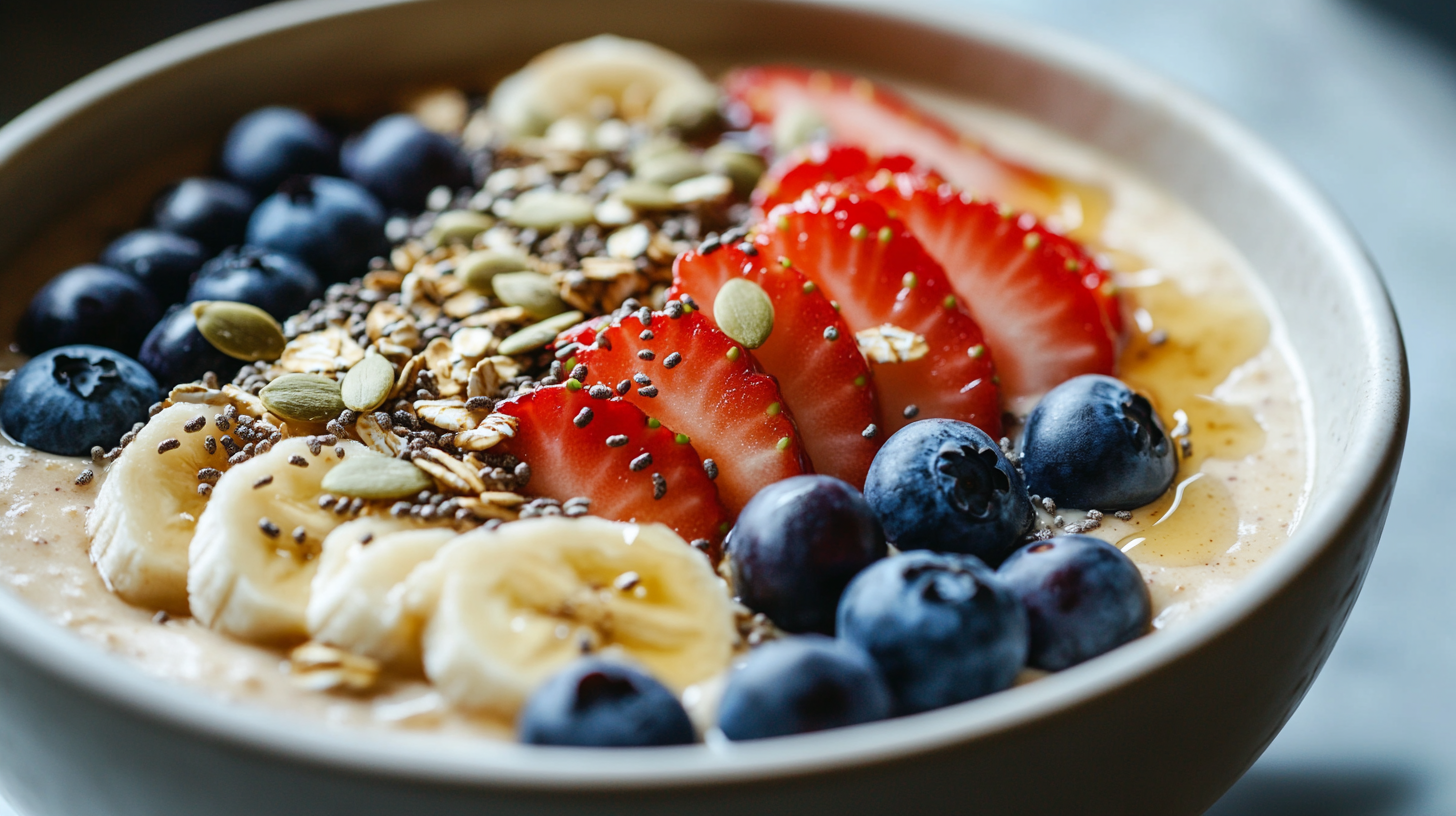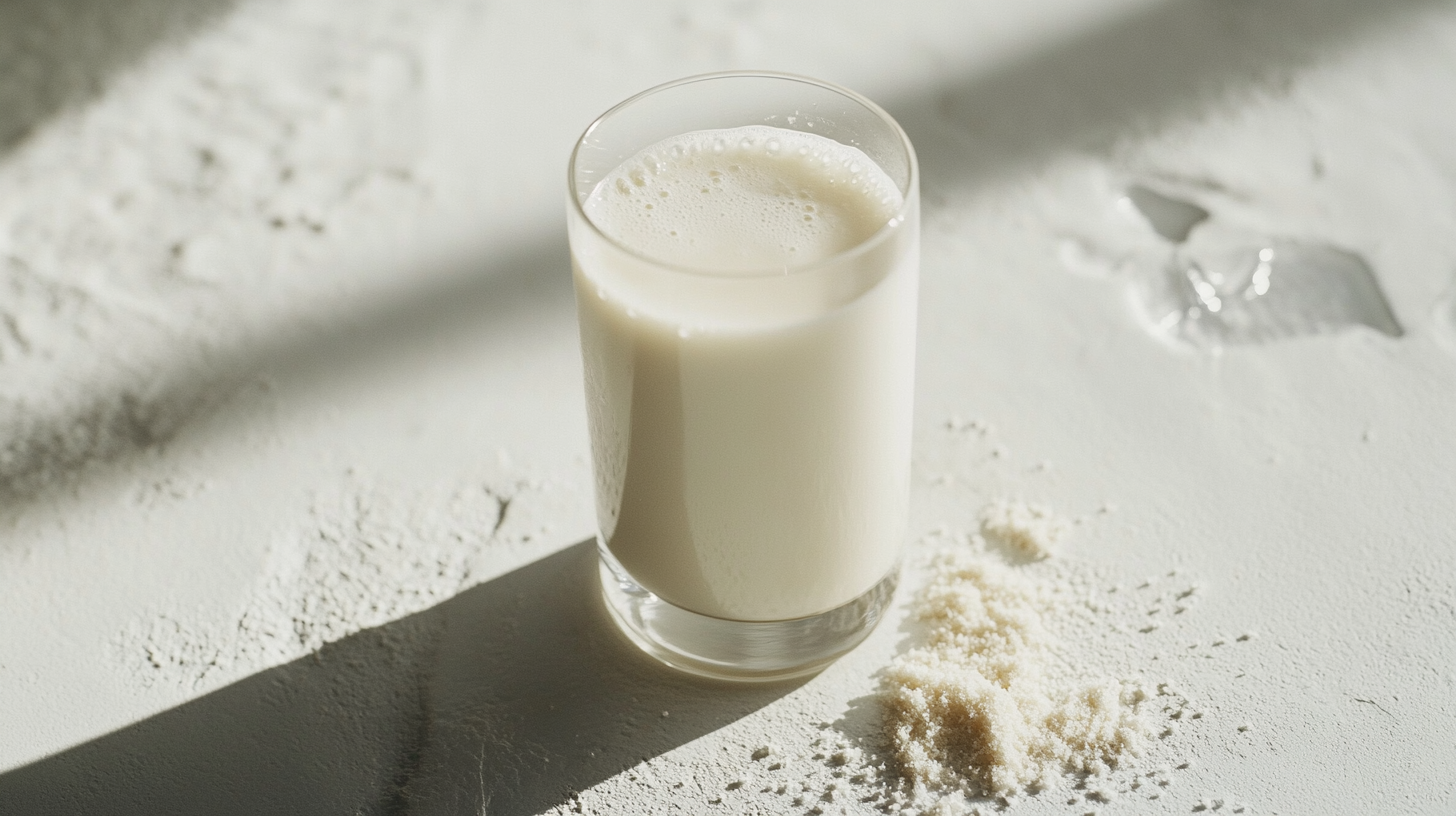
🧬Milk is a versatile dairy ingredient known for its creamy, sweet flavor and smooth texture. It contains 8 grams of protein per 100 grams, making it a valuable source for muscle growth and hydration. Research suggests that milk can also support bone health and aid in sleep by modulating dopamine levels, contributing to a calming effect on the body.
🧑🍳In the kitchen, milk can be seamlessly incorporated into smoothies and baked goods, functioning like any regular milk. It froths beautifully for coffee without curdling and enhances recipes where a hint of sweetness is desired. Use milk to create comforting beverages or as a base for various dishes.
This post contains affiliate links.
About this article
Foodbe.ai exists to inform consumers about the food they buy and eat. Every claim is cited. Sources: NIH, USDA, FDA, Smithsonian, and JSTOR. Found an error? Email us at admin@foodbe.ai to report any source or fact issues.