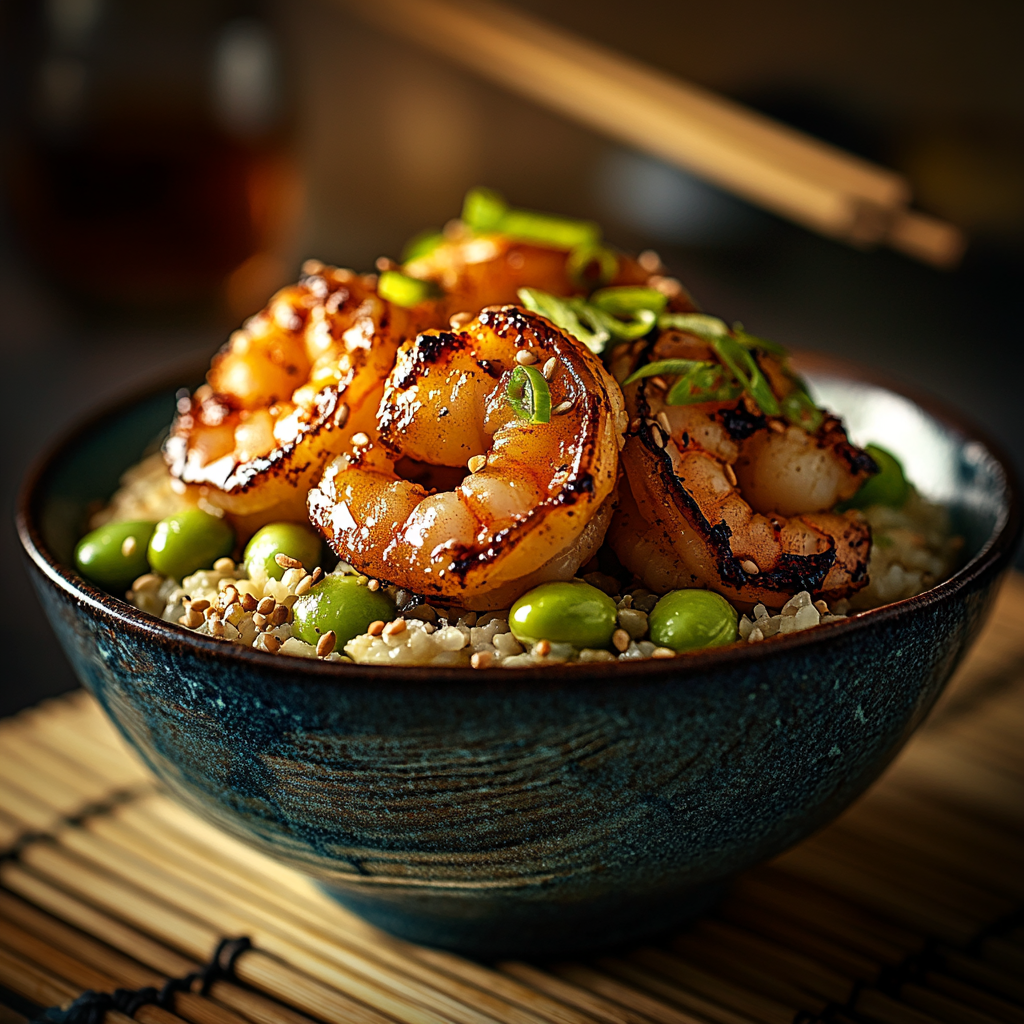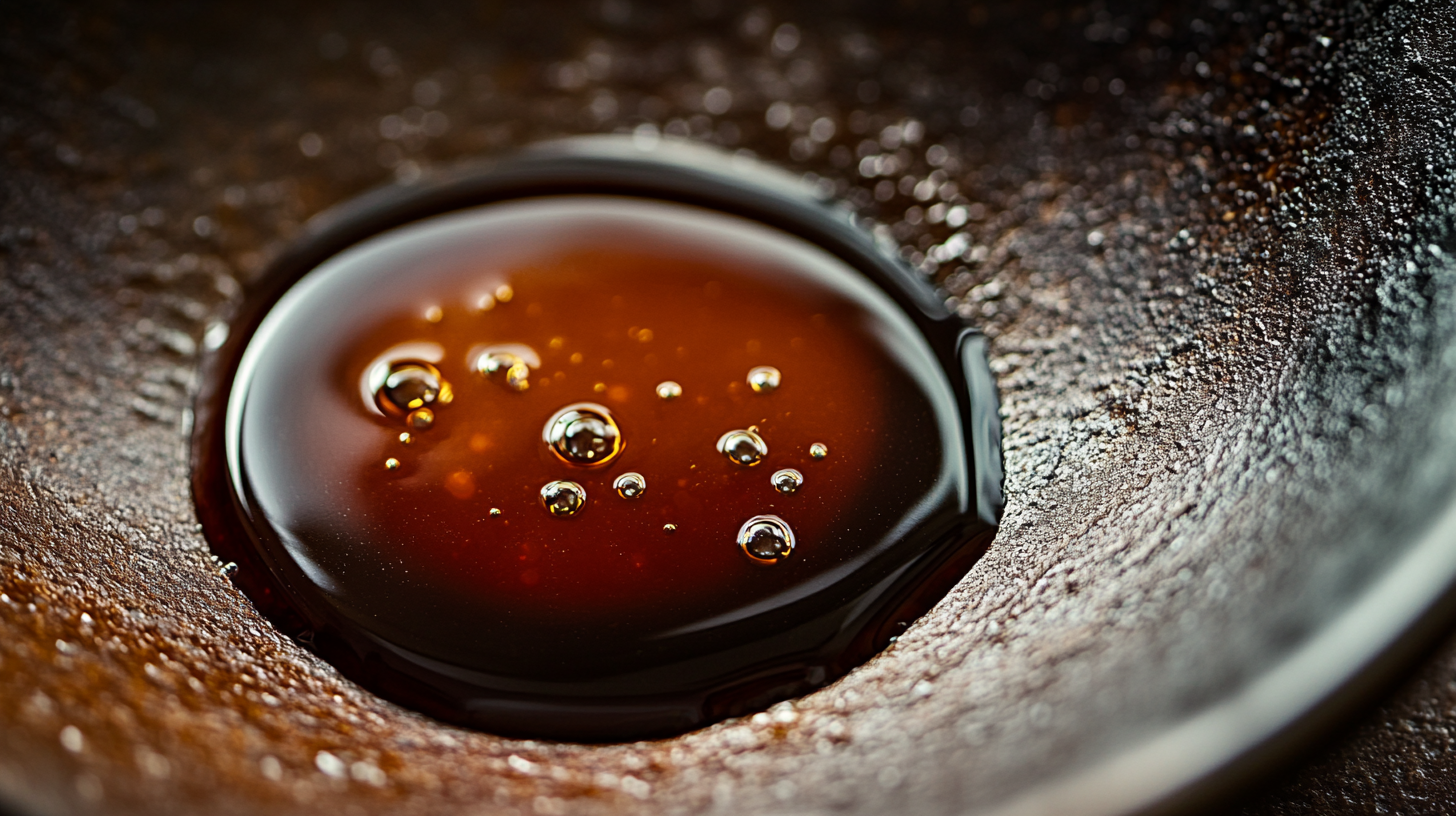
🧬Teriyaki sauce, with its sweet, salty, and umami profile, contains 35 calories per 100 grams and is often considered gut-neutral, though it is high in sugar. Research suggests that the stimulating nature of its ingredients may have a positive impact on mood and energy levels. The combination of flavors can enhance the overall sensory experience of a dish, making it a popular choice in various culinary applications.
🧑🍳When preparing teriyaki sauce at home, the key advantage lies in developing fond, the rich, browned bits that add depth to the sauce. If using jarred sauce, consider sautéing fresh garlic and a pinch of chili flakes in olive oil before adding the sauce to rebuild some of the lost aroma. A splash of acid, such as red wine vinegar or lemon zest, can also brighten the flavor profile, counteracting the flat sweetness often found in shelf-stable versions. Homemade teriyaki sauce is a rewarding endeavor.
This post contains affiliate links.
About this article
Foodbe.ai exists to inform consumers about the food they buy and eat. Every claim is cited. Sources: NIH, USDA, FDA, Smithsonian, and JSTOR. Found an error? Email us at admin@foodbe.ai to report any source or fact issues.