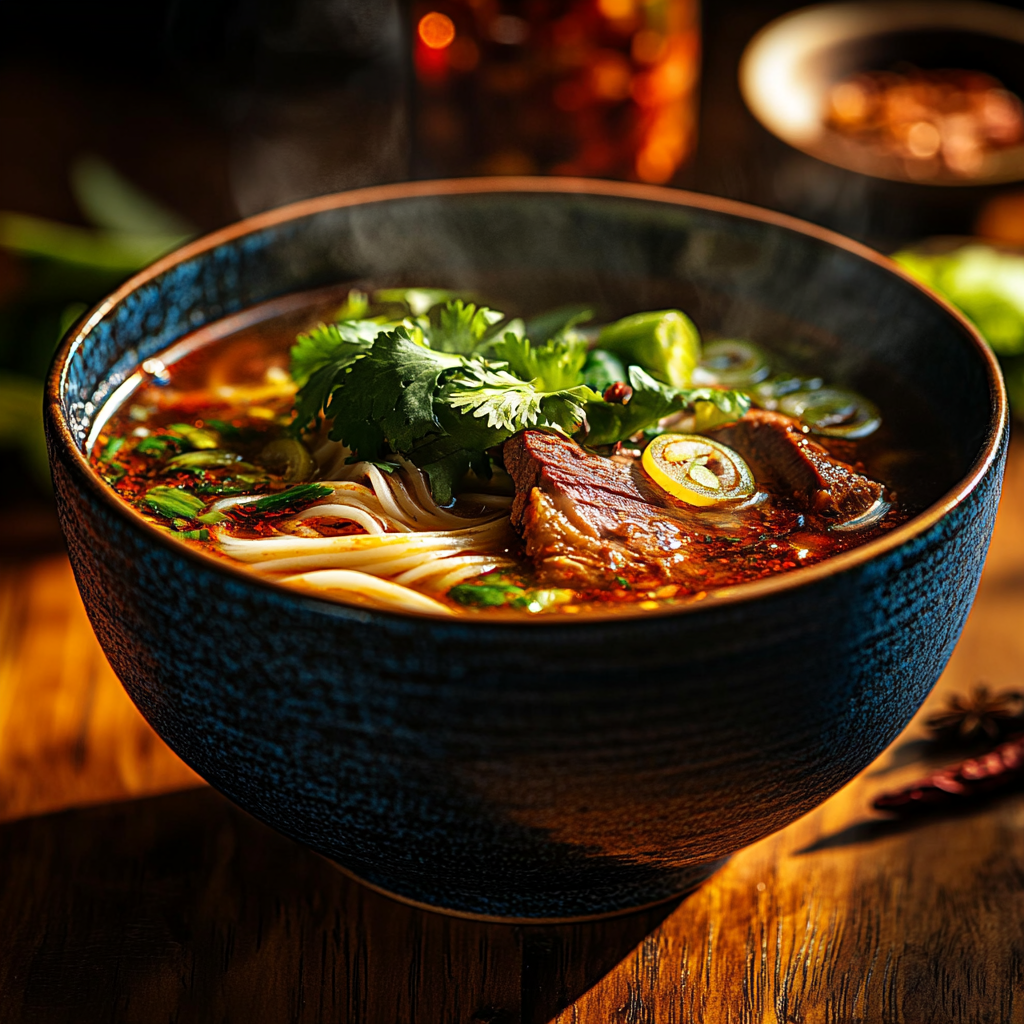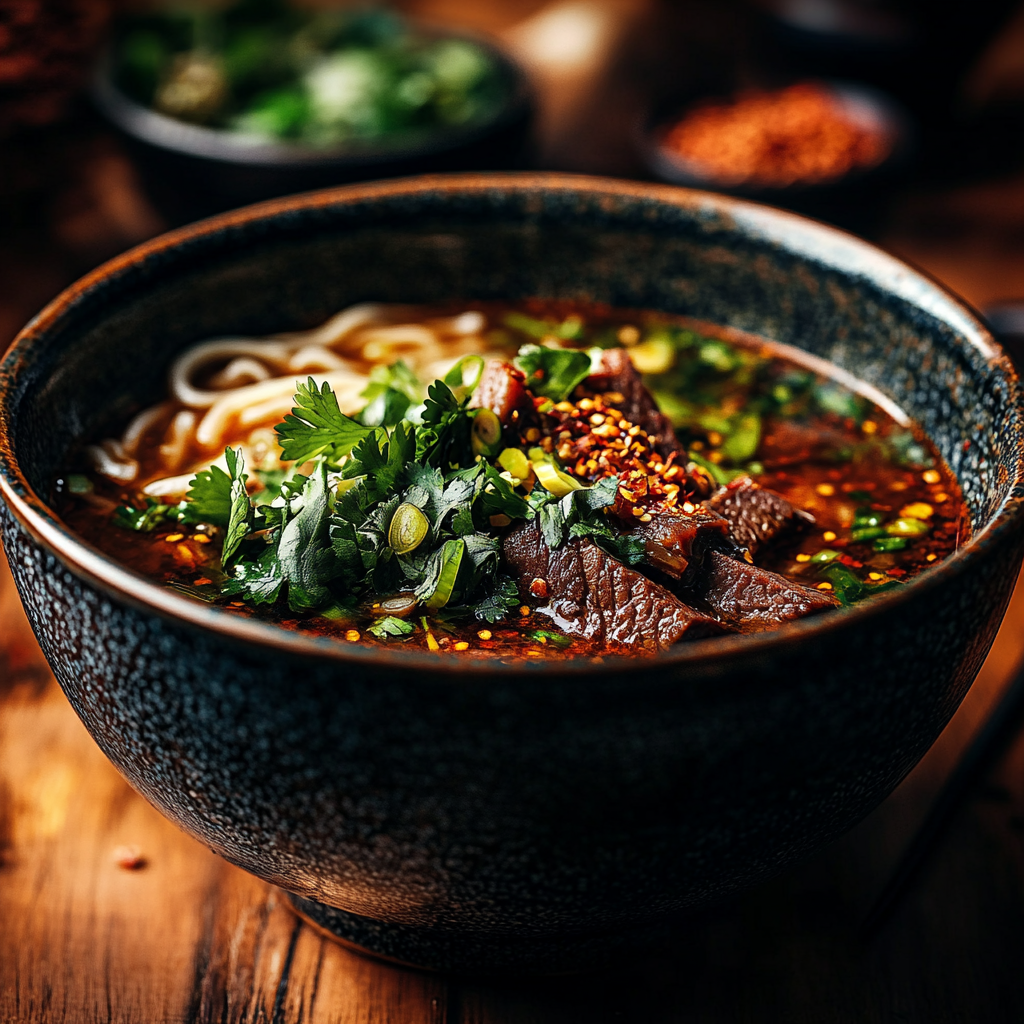
🧬Soy sauce is a fermented condiment that offers a rich umami flavor profile, making it a staple in East Asian cuisine. With approximately 900 mg of sodium per 100g, it serves as a salt substitute, which can be beneficial for those looking to reduce their sodium intake. Research suggests that the fermentation process not only enhances its flavor but also contributes to gut health, making it a plant-based option that aligns with various dietary preferences.
🧑🍳When preparing dishes with soy sauce, homemade versions can significantly enhance flavor through the development of fond, the browned bits that add depth to sauces. If using jarred soy sauce, consider blooming it by sautéing fresh garlic and a pinch of chili flake in olive oil before adding the sauce, which helps rebuild the aromatic base lost during processing. A splash of acid, such as red wine vinegar or lemon zest, added near the end of cooking can brighten the overall flavor, ensuring a more vibrant dish.
This post contains affiliate links.
About this article
Foodbe.ai exists to inform consumers about the food they buy and eat. Every claim is cited. Sources: NIH, USDA, FDA, Smithsonian, and JSTOR. Found an error? Email us at admin@foodbe.ai to report any source or fact issues.