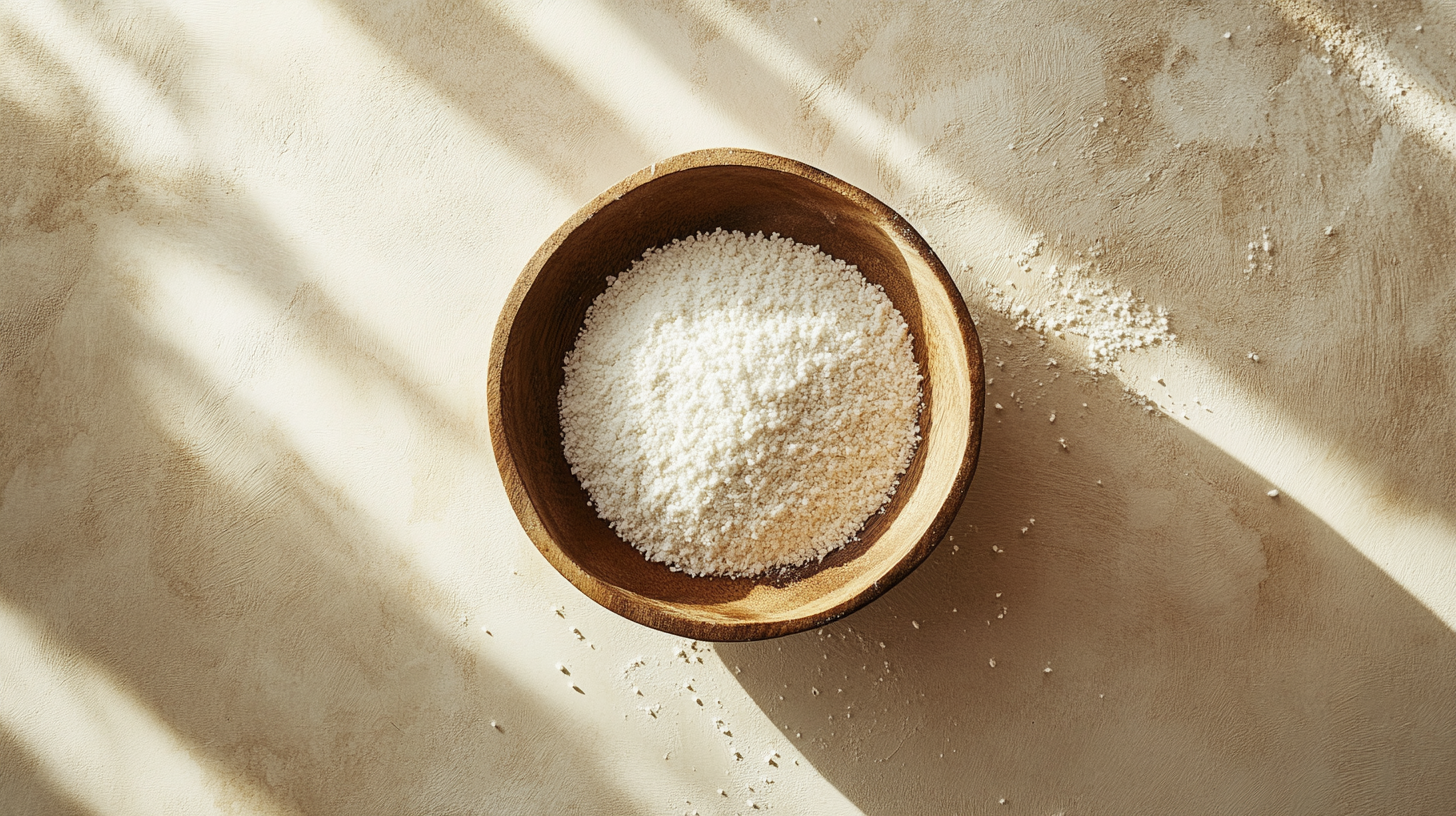
🧬Rice flour is a versatile ingredient that offers a neutral flavor profile and is particularly appealing to those with dietary restrictions, as it is gluten-free and easy to digest. With 366 calories per 100 grams, it serves as a low-glycemic option that may provide calm energy without causing significant stimulation. Research suggests that its gentle nature on the gut makes it a suitable choice for individuals seeking digestive health and a low-allergen diet.
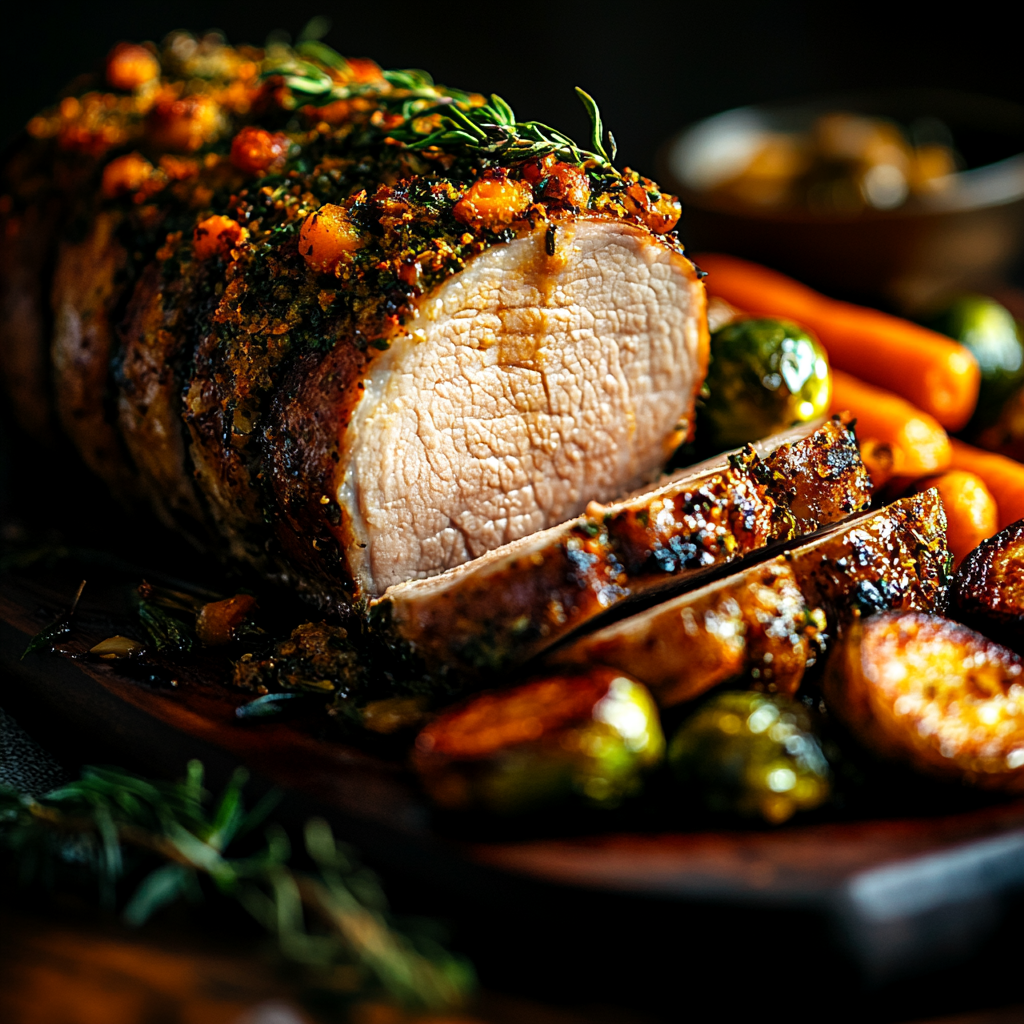
🧑🍳When cooking with rice flour, it is essential to start with rice that has been refrigerated uncovered for several hours to ensure a dry surface for optimal frying. Preheat your wok or pan until it is screaming hot to facilitate the Maillard reaction, which enhances flavor and texture. Finally, add soy sauce around the edge of the wok rather than directly onto the rice to allow it to caramelize before mixing in. Achieving the right technique is crucial for a successful dish.
This post contains affiliate links.
About this article
Foodbe.ai exists to inform consumers about the food they buy and eat. Every claim is cited. Sources: NIH, USDA, FDA, Smithsonian, and JSTOR. Found an error? Email us at admin@foodbe.ai to report any source or fact issues.