Peas
Legume →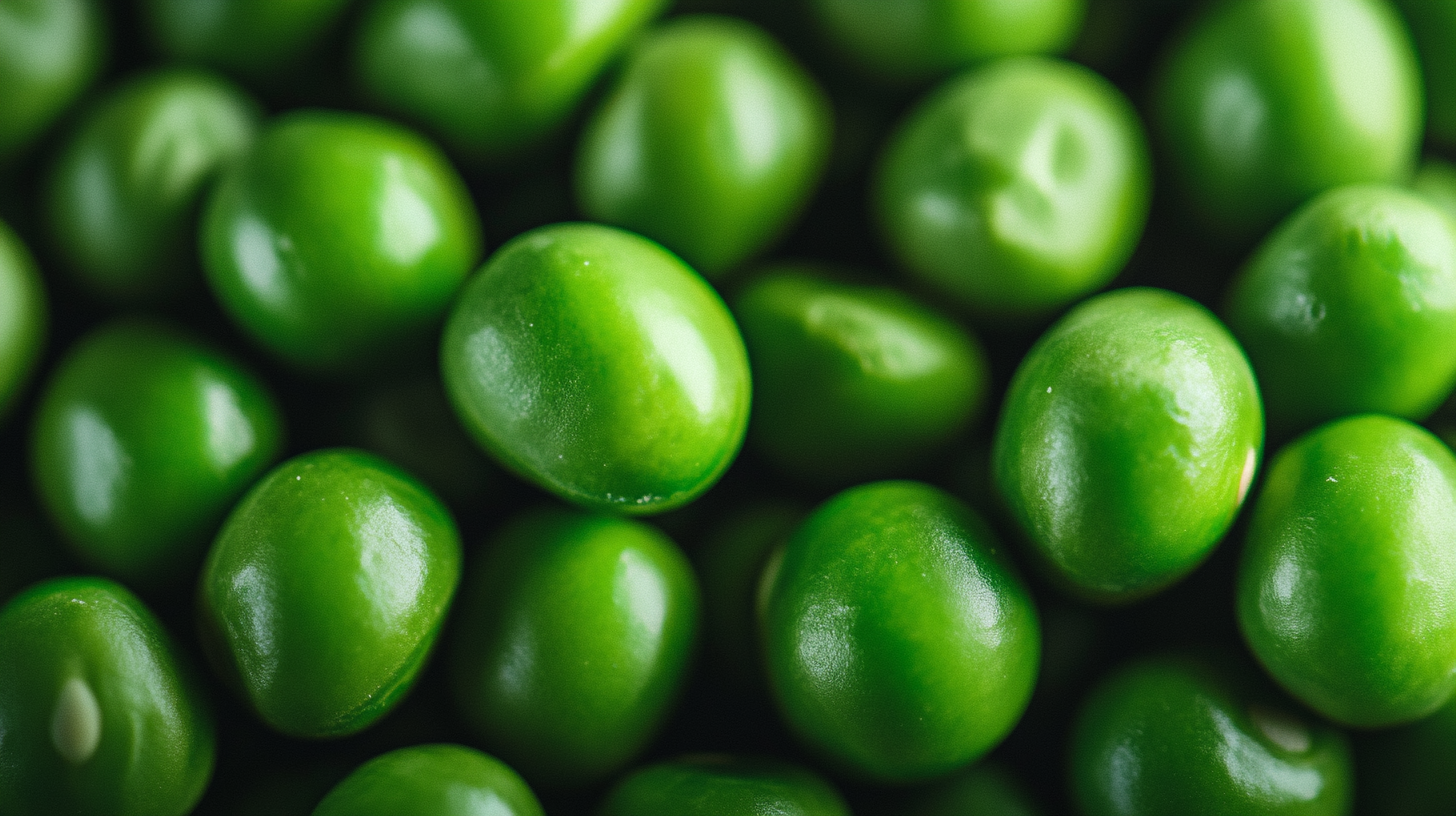
🧬Peas, a versatile legume, offer a starchy, earthy, and sweet flavor profile that can enhance various dishes. With 5.4 grams of protein per 100 grams, they support muscle health and help balance blood sugar levels. Their high fiber content also acts as a prebiotic, which may contribute to gut health while signaling satiety and supporting dopamine levels for improved focus.
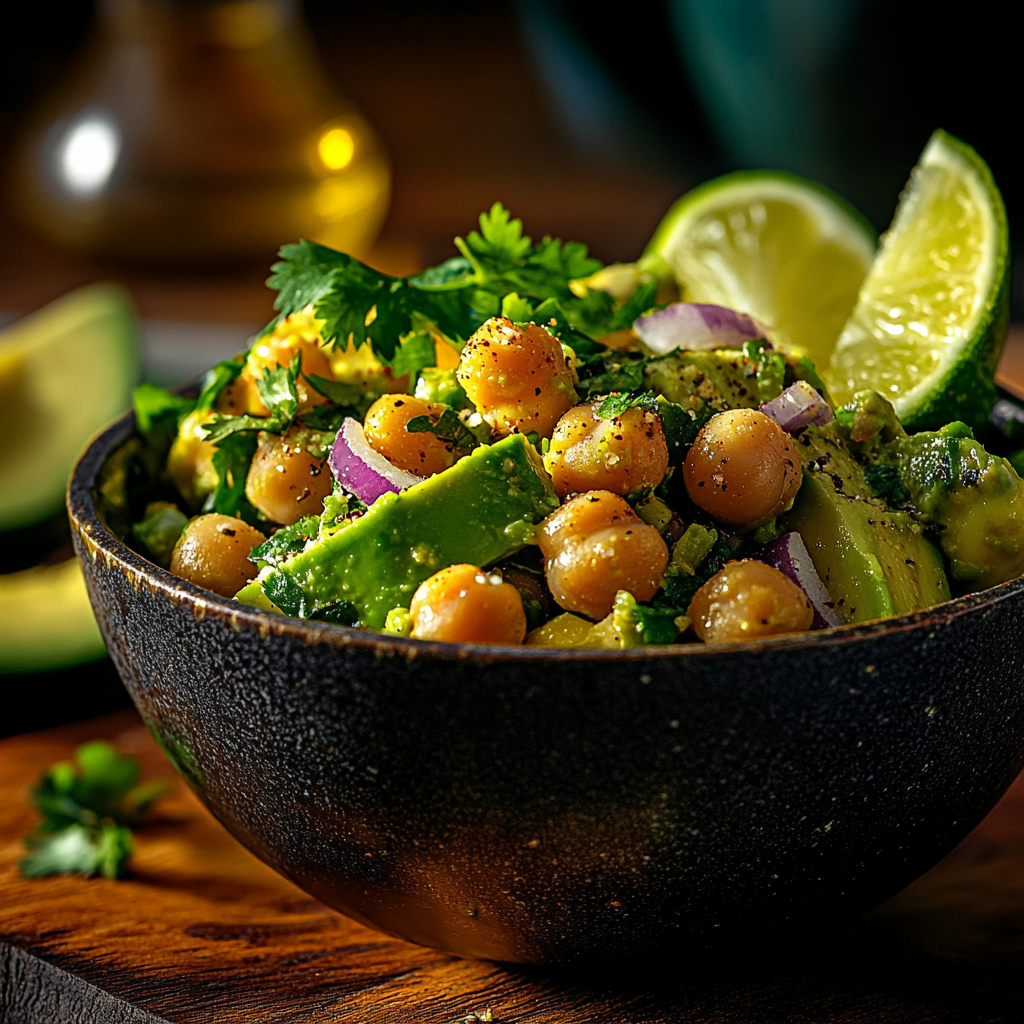
🧑🍳In the kitchen, peas shine as a base ingredient in stews or can be mashed to create a comforting side dish. Their natural sweetness pairs well with herbs and spices, making them adaptable to a range of cuisines. When cooking, consider briefly steaming or sautéing to preserve their vibrant color and flavor while ensuring they remain tender yet firm.
This post contains affiliate links.
About this article
Foodbe.ai exists to inform consumers about the food they buy and eat. Every claim is cited. Sources: NIH, USDA, FDA, Smithsonian, and JSTOR. Found an error? Email us at admin@foodbe.ai to report any source or fact issues.