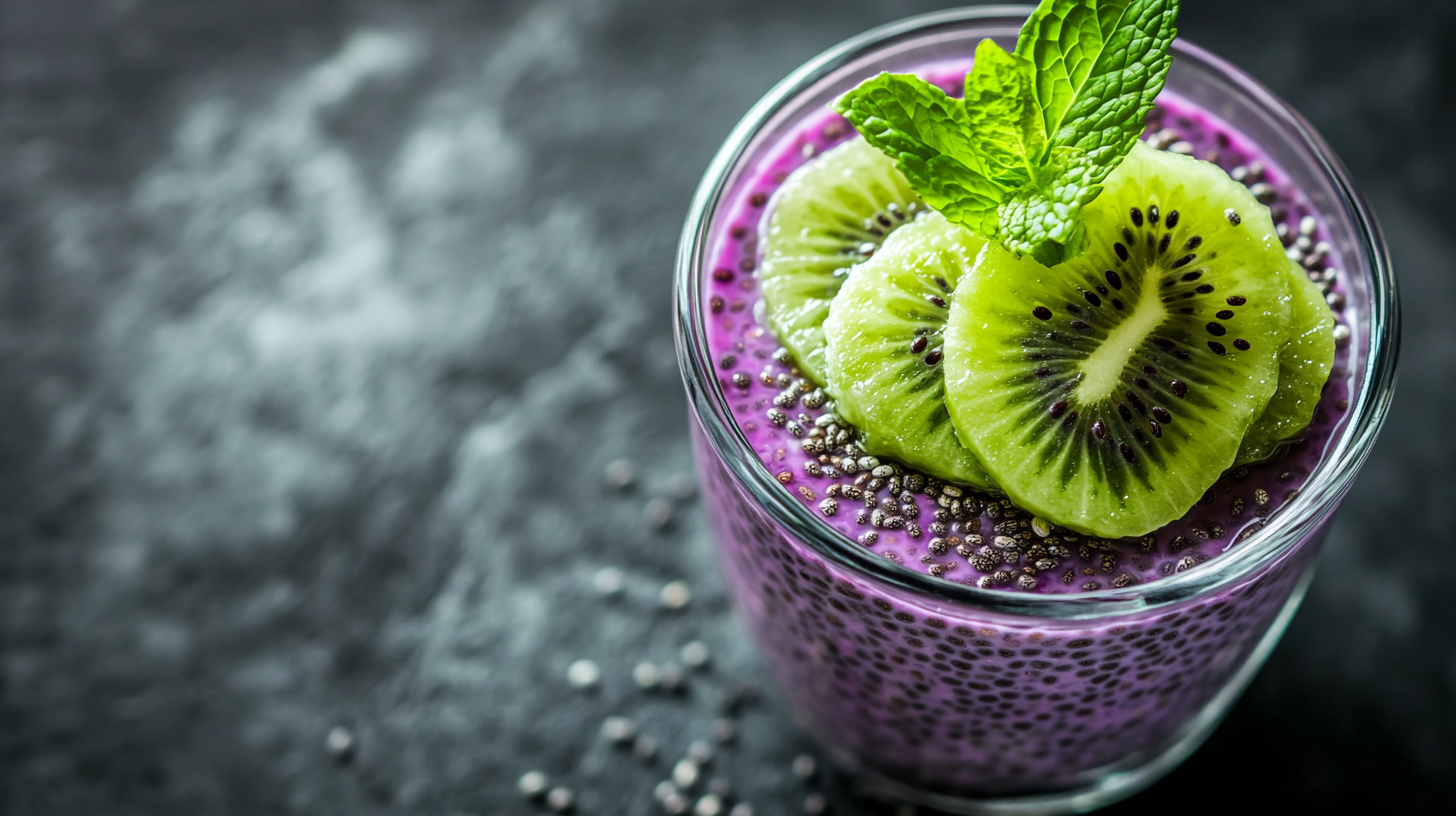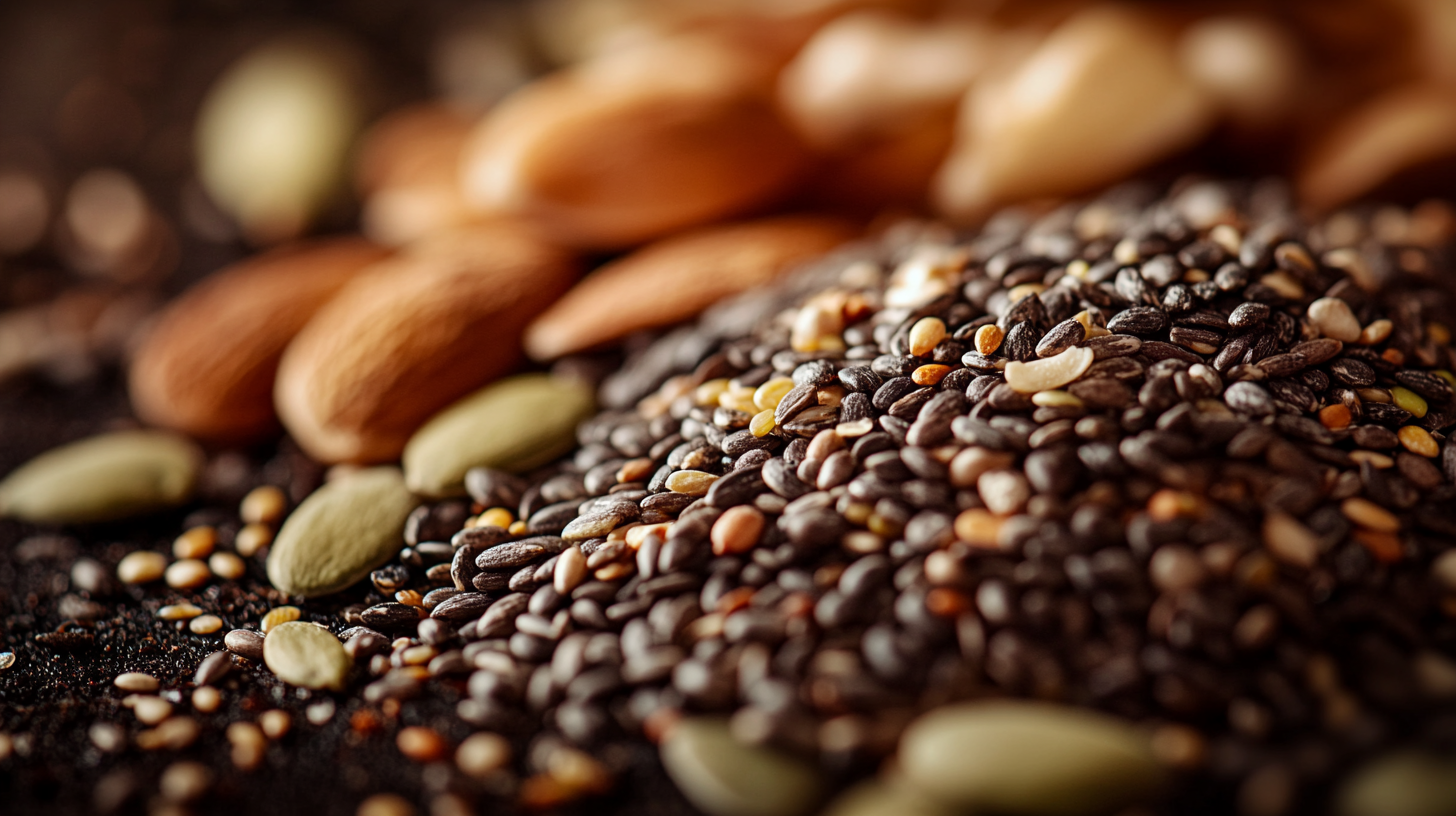
🧬Mixed seeds offer a delightful combination of nutty, earthy flavors and a satisfying crunch, making them a versatile addition to various dishes. With 12.7 grams of protein per 100 grams, they provide essential nutrients that may support mood and immune health. Their high fiber content, along with omega-3 fatty acids, contributes to gut health and can help combat anemia, making them a smart choice for those looking to enhance their overall well-being.
🧑🍳In the kitchen, mixed seeds shine as a topping for salads, adding texture and a rich flavor that complements fresh greens. They can also be incorporated into baked goods, lending a nutty essence to bread or muffins. For a quick snack, consider toasting them lightly to enhance their crunch and deepen their flavor. Toasting is a simple technique that amplifies their natural oils and brings out their best characteristics.
This post contains affiliate links.
About this article
Foodbe.ai exists to inform consumers about the food they buy and eat. Every claim is cited. Sources: NIH, USDA, FDA, Smithsonian, and JSTOR. Found an error? Email us at admin@foodbe.ai to report any source or fact issues.