Lentil
Legume →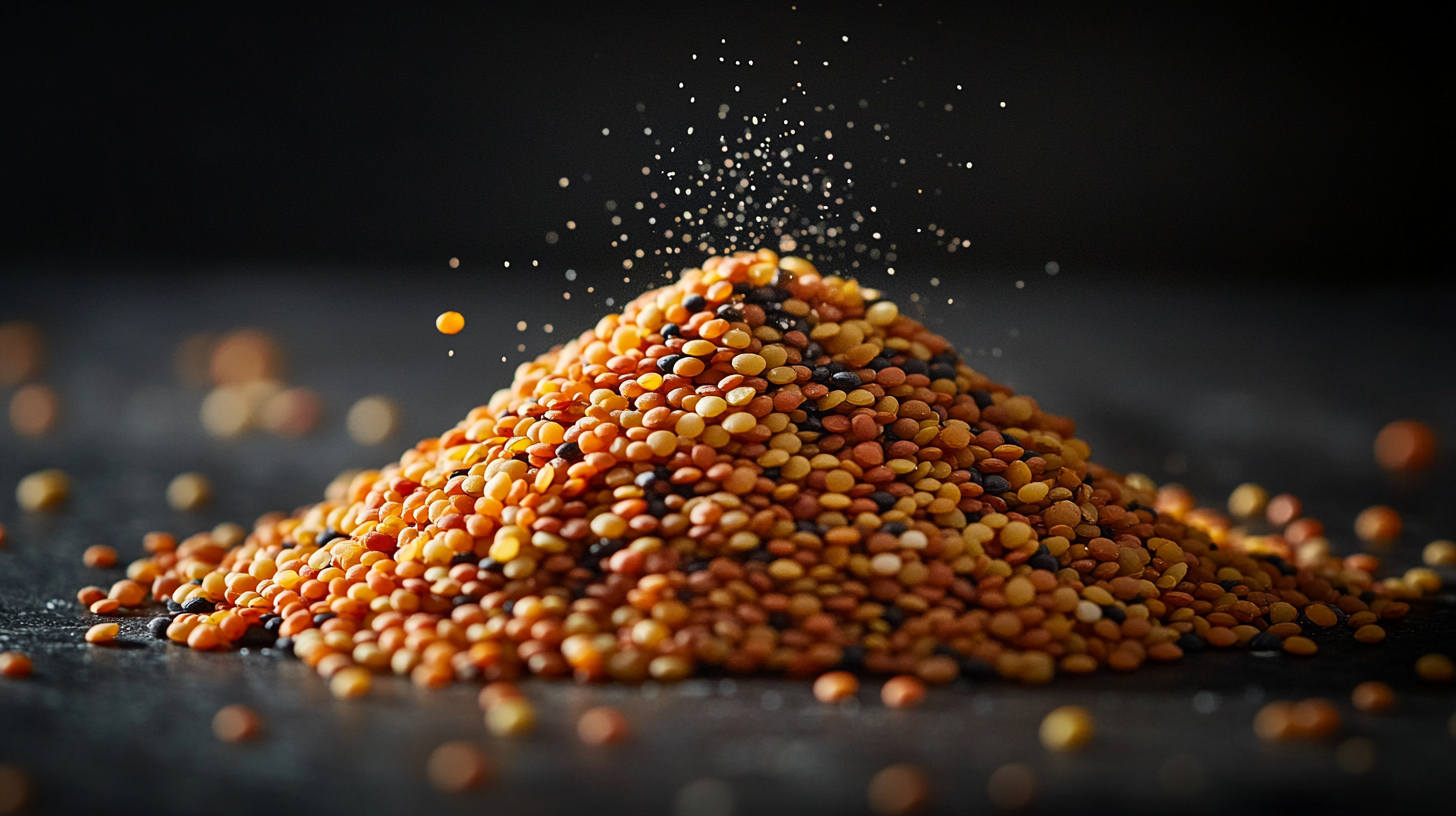
🧬Lentils are a powerhouse of nutrition, offering about 9 grams of protein per 100 grams, making them an excellent choice for those seeking plant-based protein sources. Research suggests that their high fiber content supports gut health by promoting beneficial bacteria and may aid in cholesterol reduction and blood sugar stabilization. Additionally, lentils have been linked to mood regulation through the gut-brain axis, potentially influencing dopamine levels and overall mental well-being.
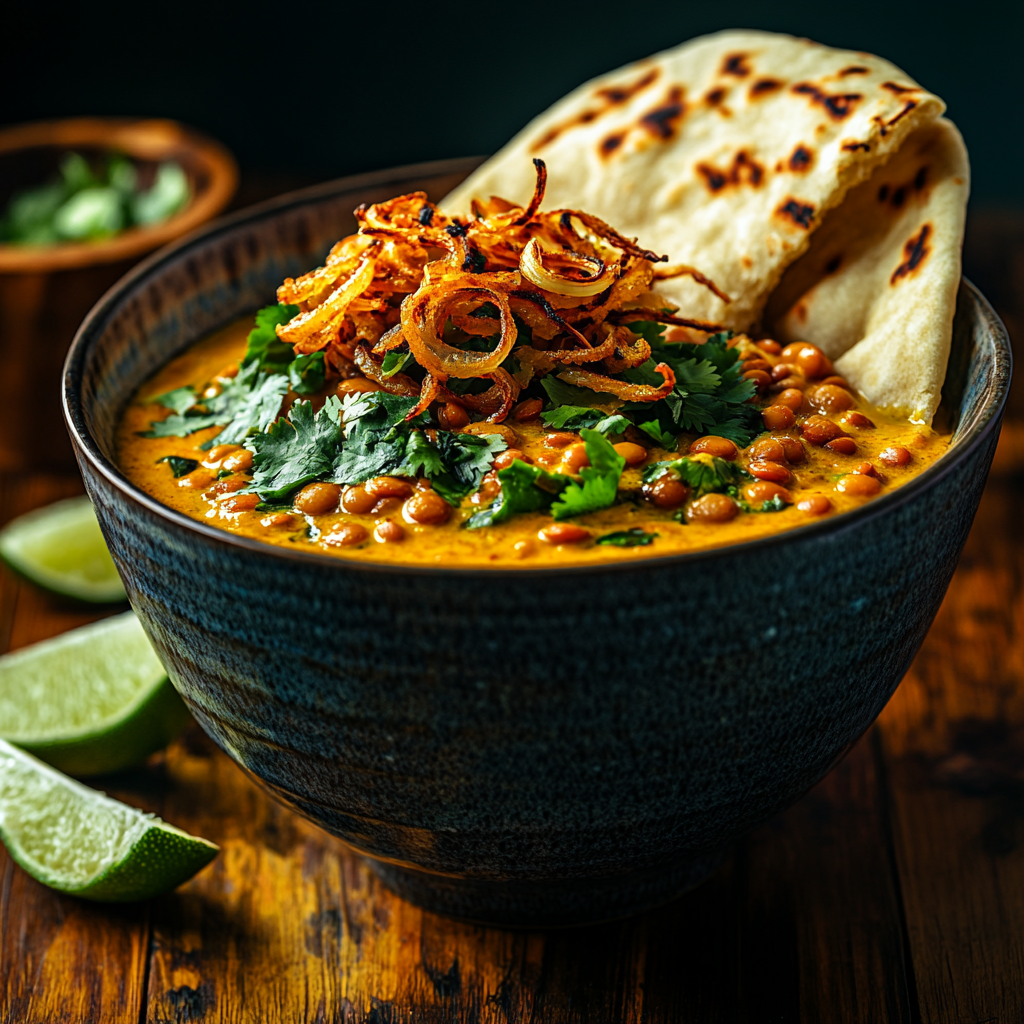
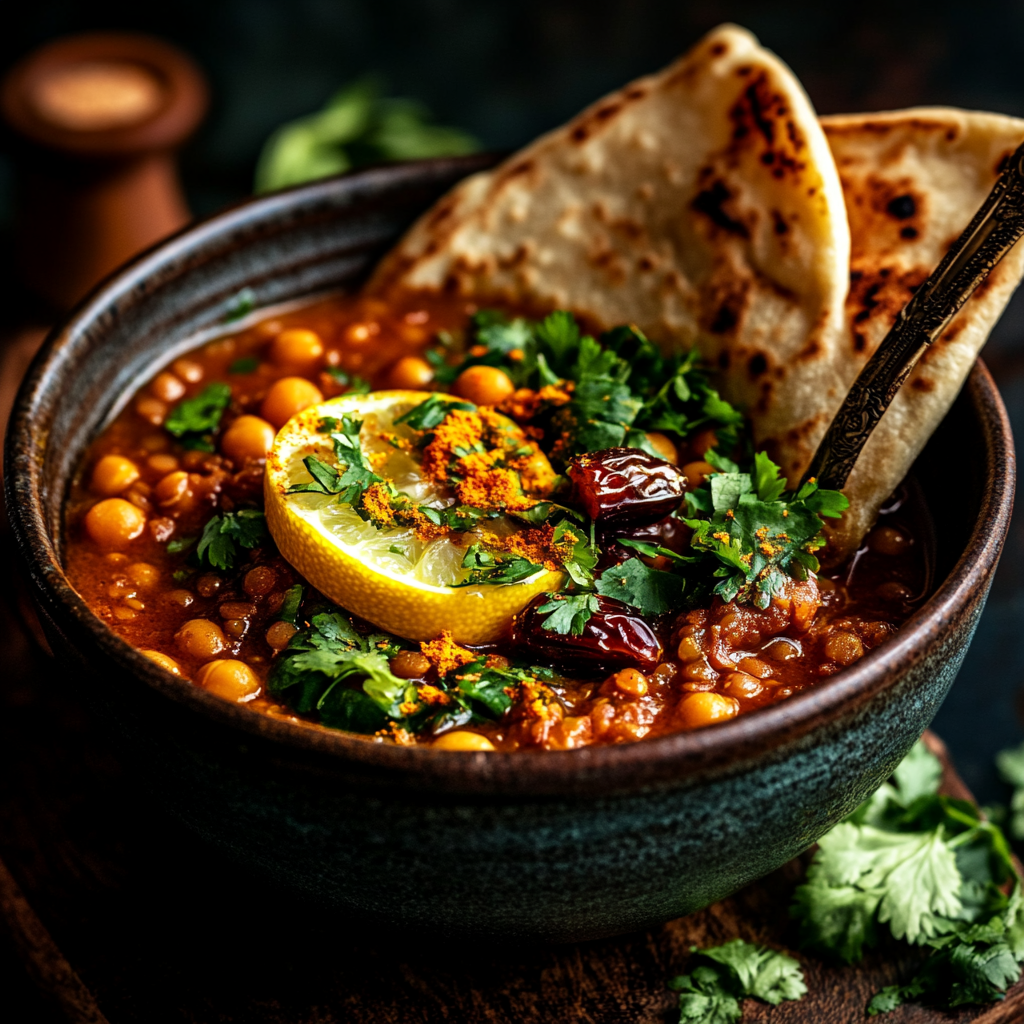
🧑🍳In the kitchen, red lentils are particularly versatile, breaking down easily during cooking, which makes them perfect for soups, dals, and purees. In contrast, green and brown lentils retain their shape, making them ideal for salads and side dishes. When cooking lentils, it's best to add acidic ingredients like tomatoes and vinegar only after they are fully tender, as acidity can hinder their texture. Mastering these techniques will ensure your lentil dishes are both satisfying and delicious.
This post contains affiliate links.
About this article
Foodbe.ai exists to inform consumers about the food they buy and eat. Every claim is cited. Sources: NIH, USDA, FDA, Smithsonian, and JSTOR. Found an error? Email us at admin@foodbe.ai to report any source or fact issues.