Kale
Vegetable →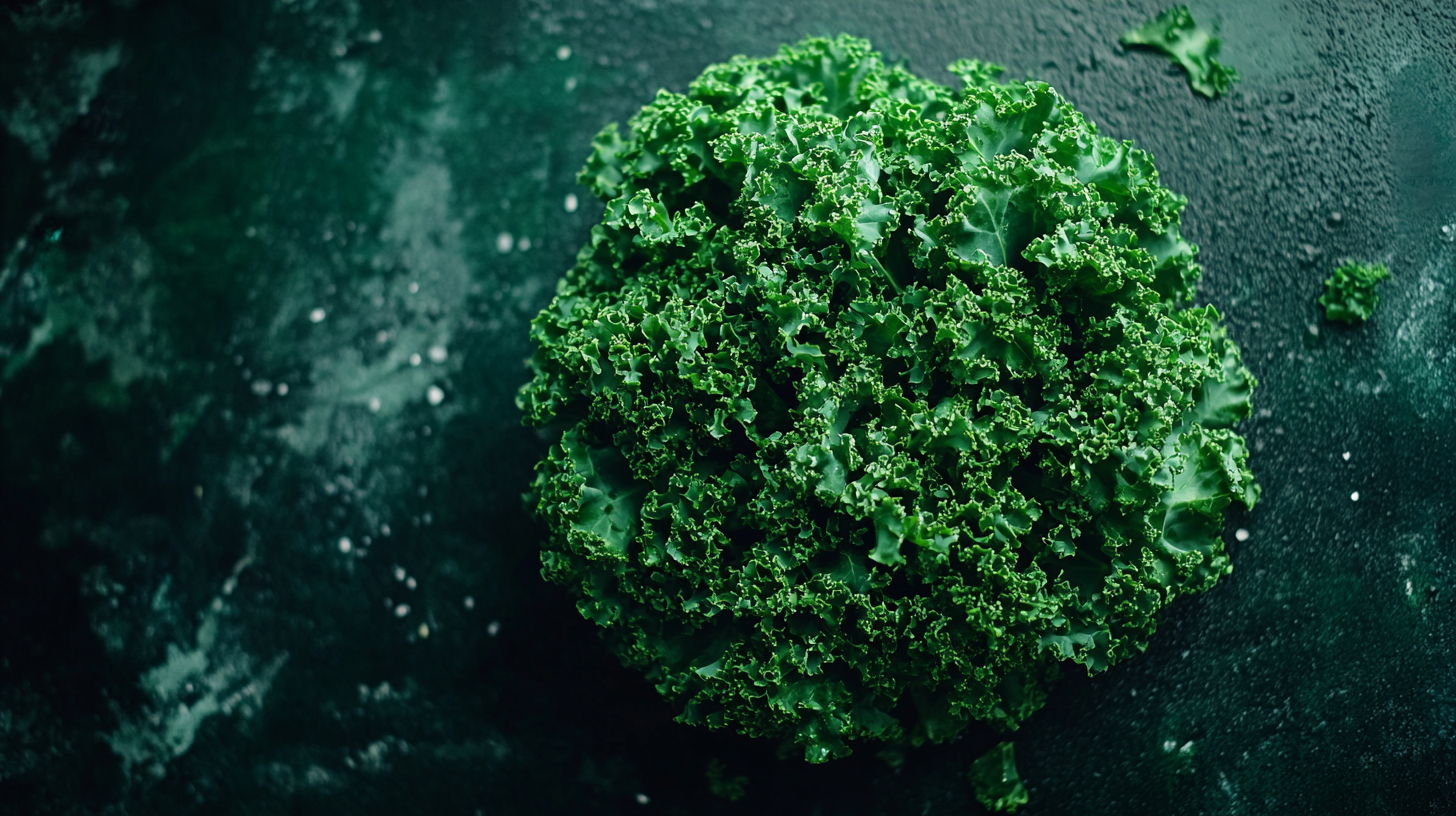
🧬Kale is a nutrient-dense leafy green that offers a robust flavor profile characterized by its earthy and slightly bitter notes. It contains 5 grams of fiber per 100 grams, which can support gut health and promote a feeling of fullness. Research suggests that the antioxidants and polyphenols found in kale may contribute to cognitive support, enhancing focus and alertness while also playing a role in immune and heart health.
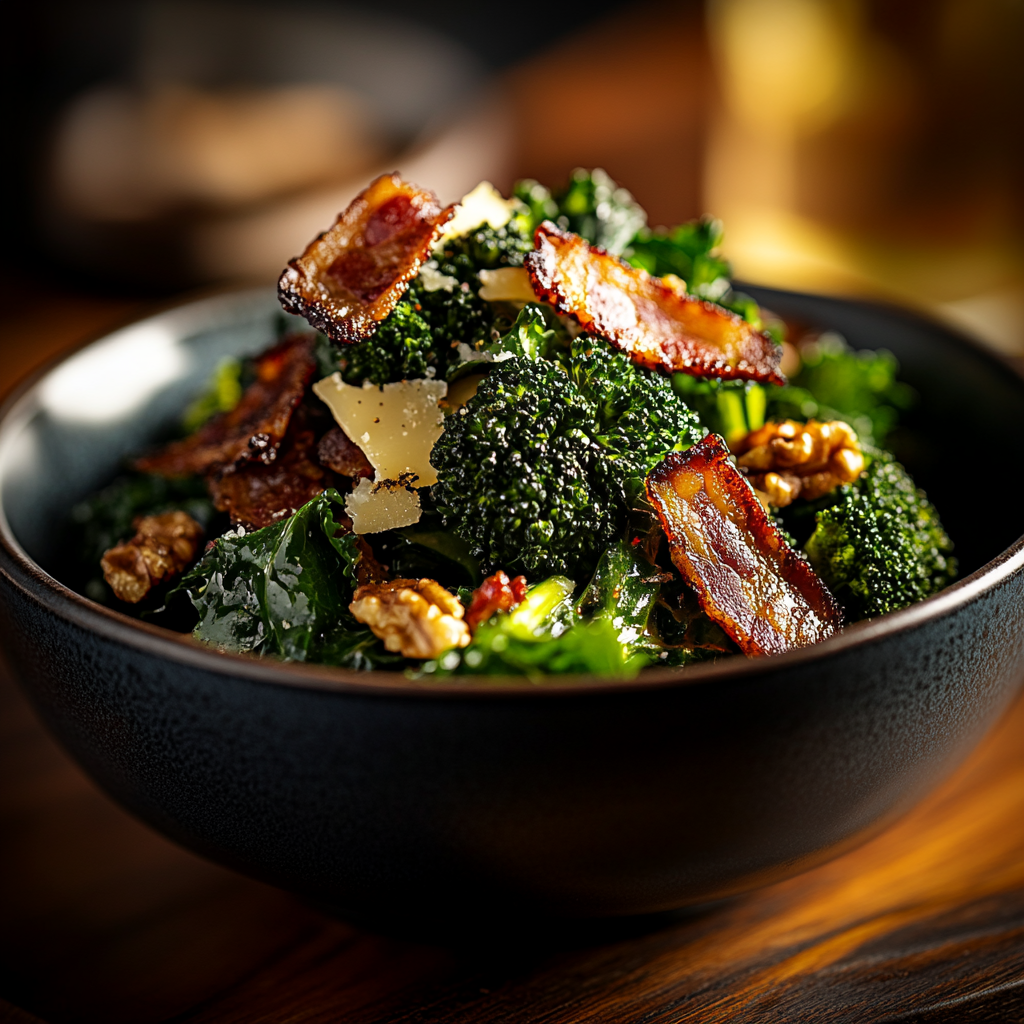
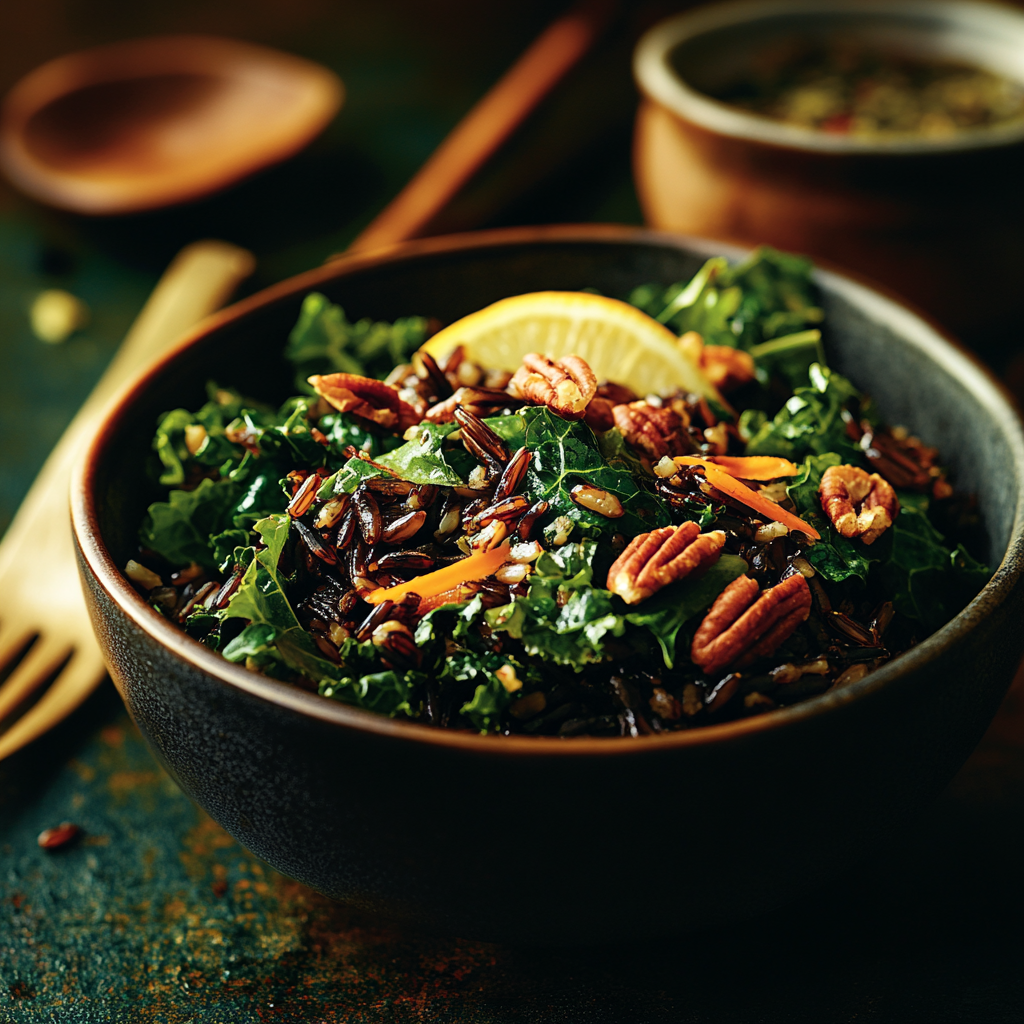
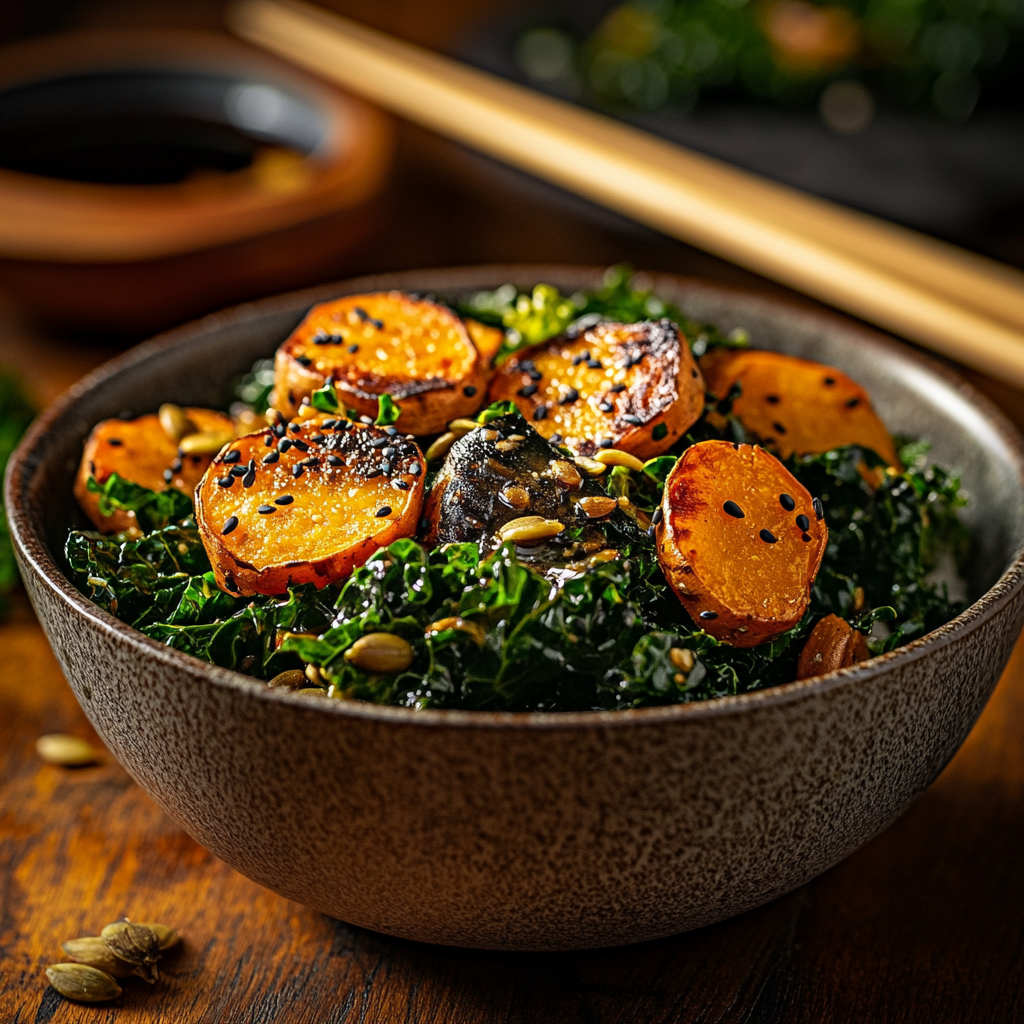
🧑🍳When it comes to cooking kale, its sturdy texture holds up well to various techniques. Sautéing it with a splash of olive oil and garlic can soften its bitterness while enhancing its earthy flavor, making it a delightful addition to any dish. Alternatively, enjoying kale raw in salads or as crispy chips can showcase its natural robustness. Properly preparing kale can highlight its unique characteristics.
This post contains affiliate links.
About this article
Foodbe.ai exists to inform consumers about the food they buy and eat. Every claim is cited. Sources: NIH, USDA, FDA, Smithsonian, and JSTOR. Found an error? Email us at admin@foodbe.ai to report any source or fact issues.