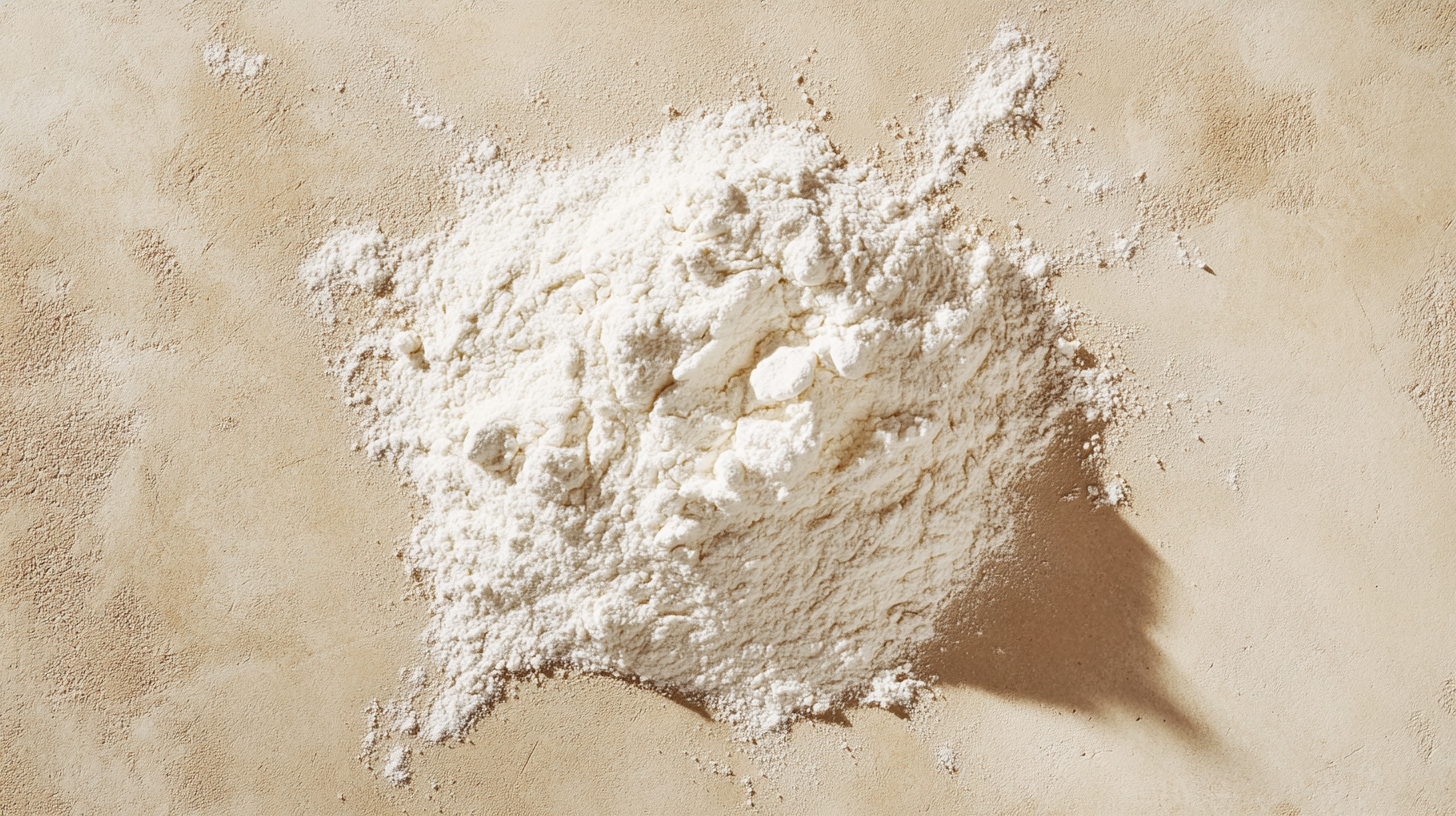
🧬Flour, a staple ingredient found globally, serves as a significant source of energy due to its calorie density, providing around 1820 calories per 100 grams. Research suggests that the simple carbohydrates in flour can lead to a quick release of dopamine, contributing to feelings of comfort and satisfaction. However, its refined nature means it is low in fiber, which may pose metabolic risks when consumed excessively, potentially leading to obesity over time.
🧑🍳For everyday baking, whole wheat flour is an excellent choice, enhancing the flavor and texture of breads, muffins, and pancakes. In contrast, enriched white flour is preferable for lighter pastries and cakes, while a blend of both can offer a balanced approach to nutrition without sacrificing texture. Given that whole wheat flour has a shorter shelf life, it's best stored in the freezer and used within a few months.
This post contains affiliate links.
About this article
Foodbe.ai exists to inform consumers about the food they buy and eat. Every claim is cited. Sources: NIH, USDA, FDA, Smithsonian, and JSTOR. Found an error? Email us at admin@foodbe.ai to report any source or fact issues.