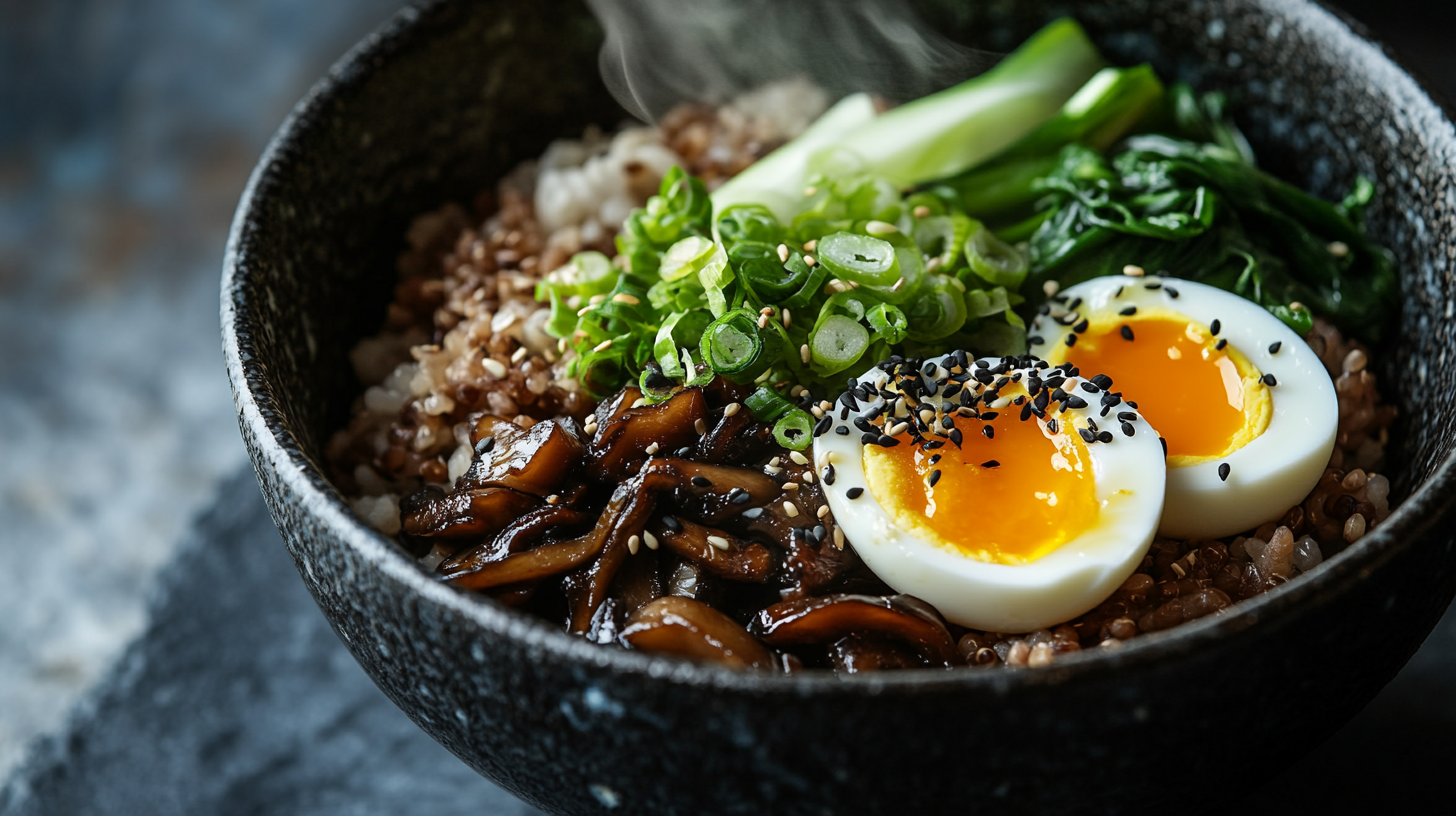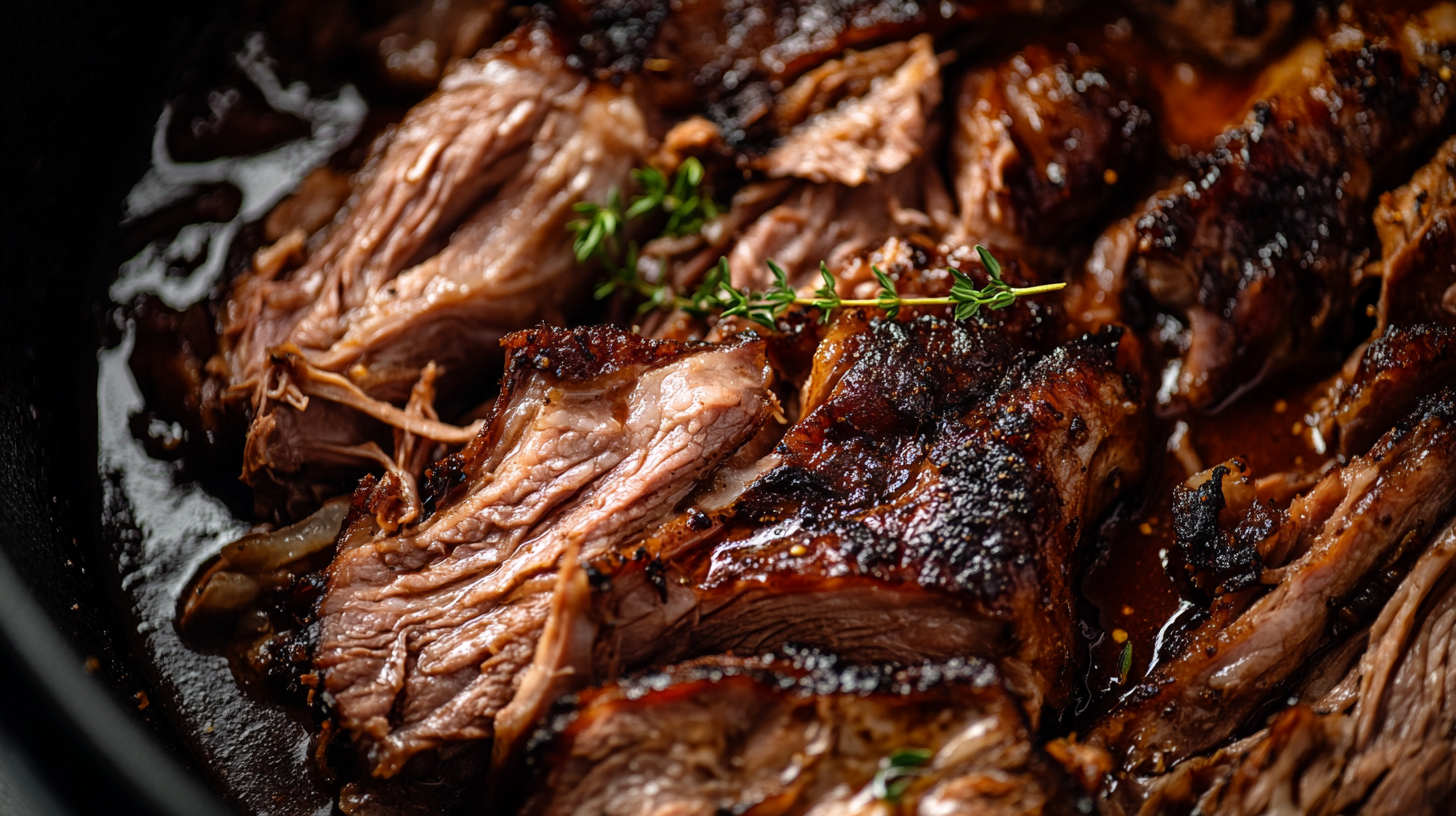
🧬Chicken broth is a versatile ingredient known for its light and savory flavor profile, offering approximately 180 calories per 100 grams. Research suggests that it can support hydration and aid in light digestion, making it a soothing choice for those seeking comfort. Additionally, its gut-friendly properties may contribute to gut healing and inflammation modulation, providing a restorative effect on overall health.
🧑🍳When preparing chicken broth, it's essential to start with dry chicken, salting it uncovered in the refrigerator for at least an hour. This technique draws moisture out, allowing the salt to penetrate the meat while promoting a desirable Maillard reaction during cooking. Monitoring the temperature closely ensures that the exterior browns beautifully without overcooking the interior, and resting the chicken for five minutes post-cooking redistributes moisture for optimal juiciness.
This post contains affiliate links.
About this article
Foodbe.ai exists to inform consumers about the food they buy and eat. Every claim is cited. Sources: NIH, USDA, FDA, Smithsonian, and JSTOR. Found an error? Email us at admin@foodbe.ai to report any source or fact issues.