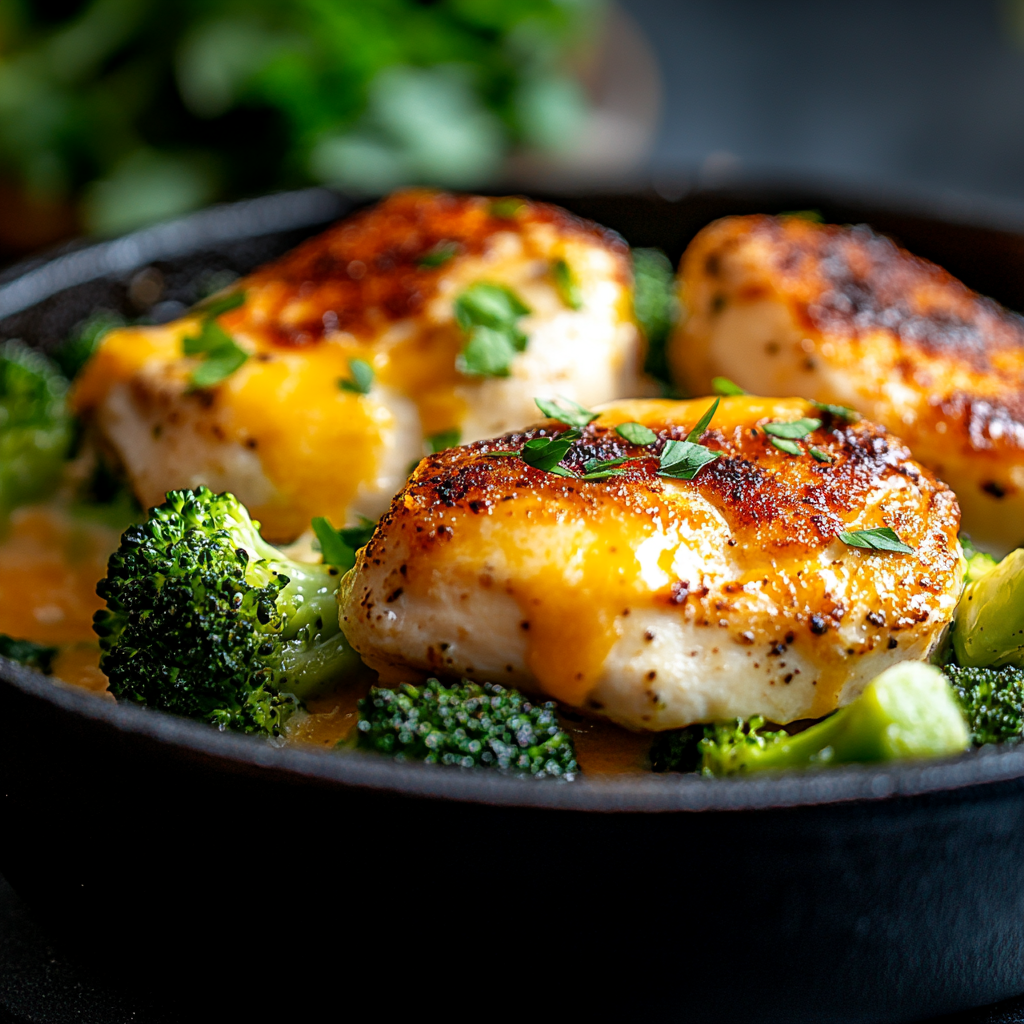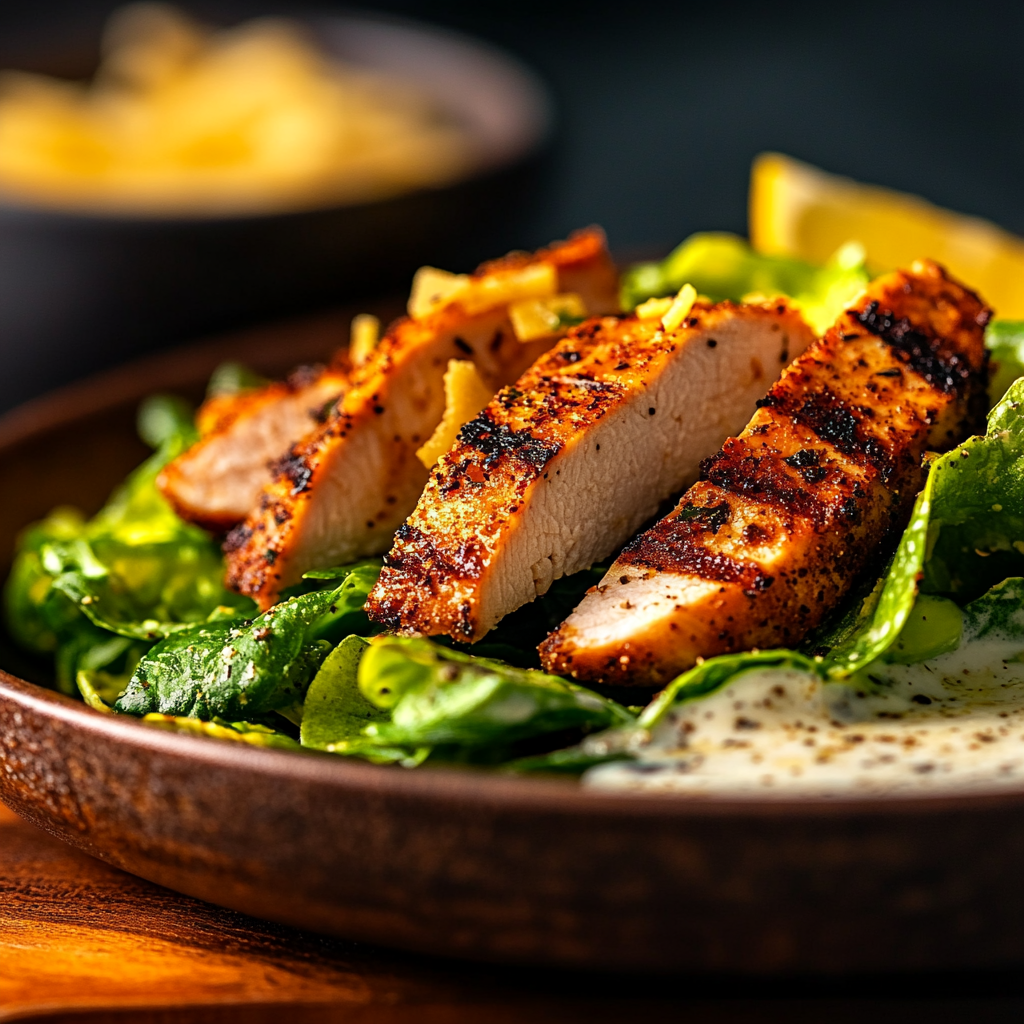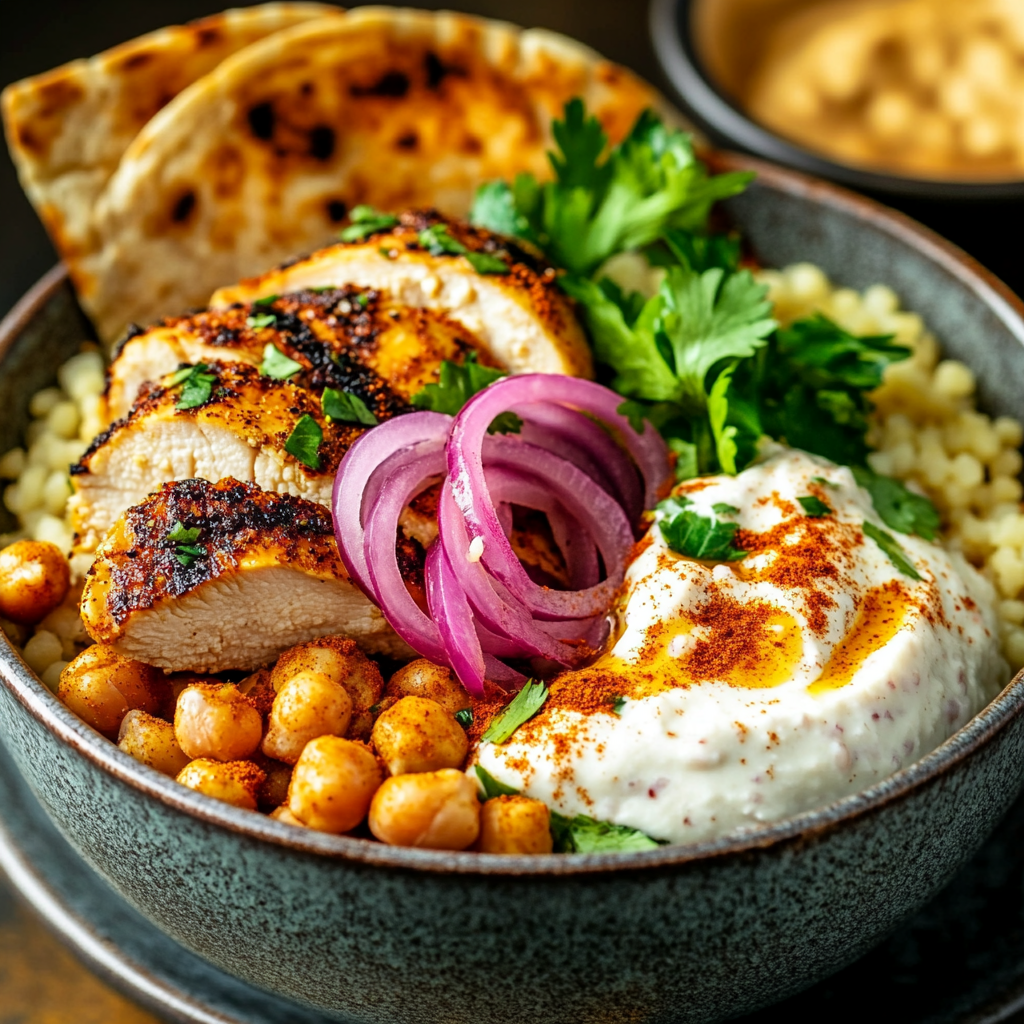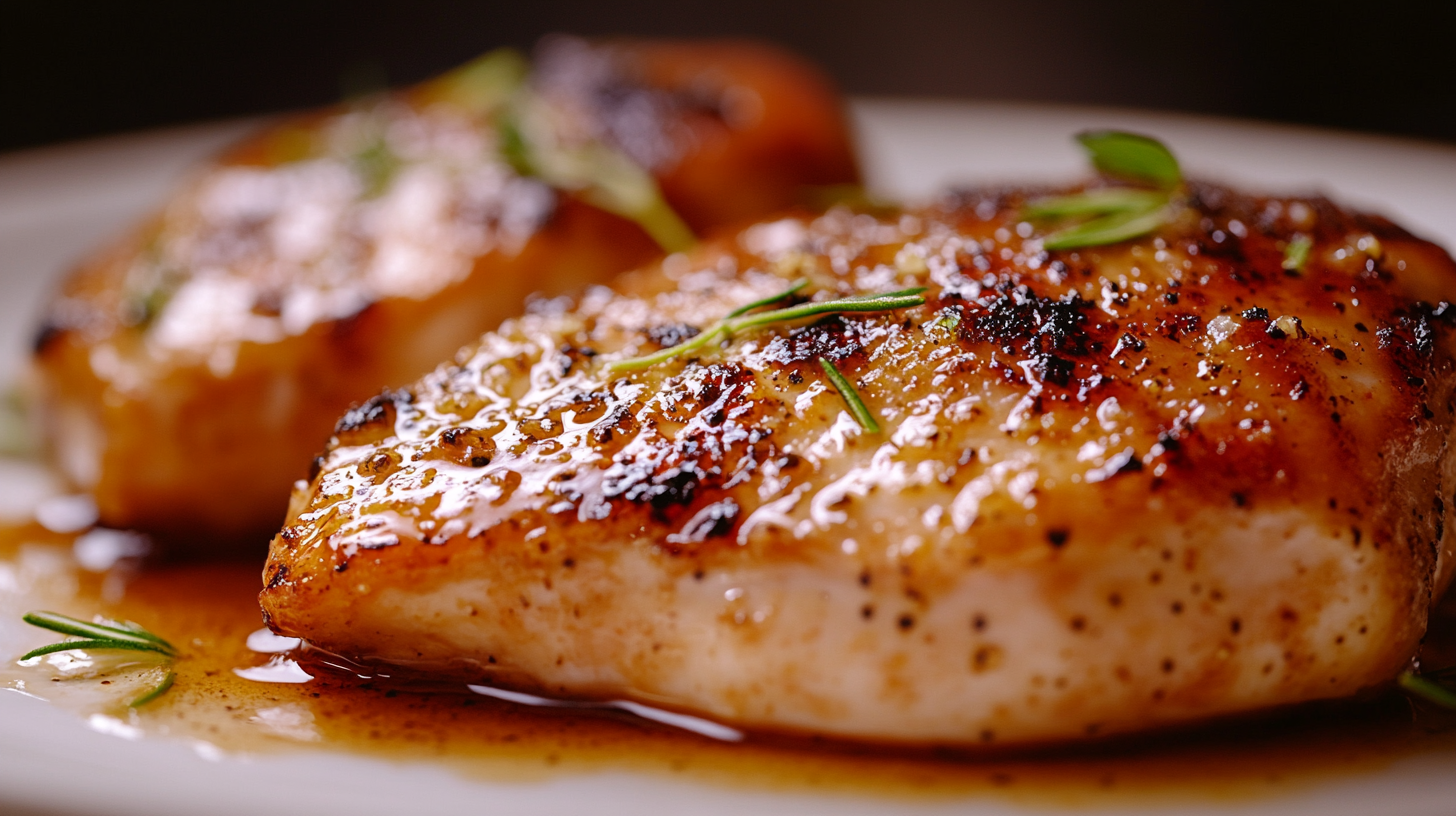
🧬Chicken breast is a versatile protein source that offers 31 grams of protein per 100 grams, making it a popular choice for muscle-building and weight management. This lean meat is rich in tryptophan, which may support serotonin production, potentially enhancing mood and well-being. The mild flavor and juicy texture make it an appealing option for a variety of culinary applications, from grilling to baking.
🧑🍳To achieve optimal results, consider dry-brining the chicken breast 24 to 48 hours before cooking. This technique not only seasons the meat throughout but also helps retain moisture during roasting, ensuring that the breast remains tender and juicy. After roasting, allow the meat to rest for 20 minutes before slicing to maximize flavor and moisture retention.
This post contains affiliate links.
About this article
Foodbe.ai exists to inform consumers about the food they buy and eat. Every claim is cited. Sources: NIH, USDA, FDA, Smithsonian, and JSTOR. Found an error? Email us at admin@foodbe.ai to report any source or fact issues.