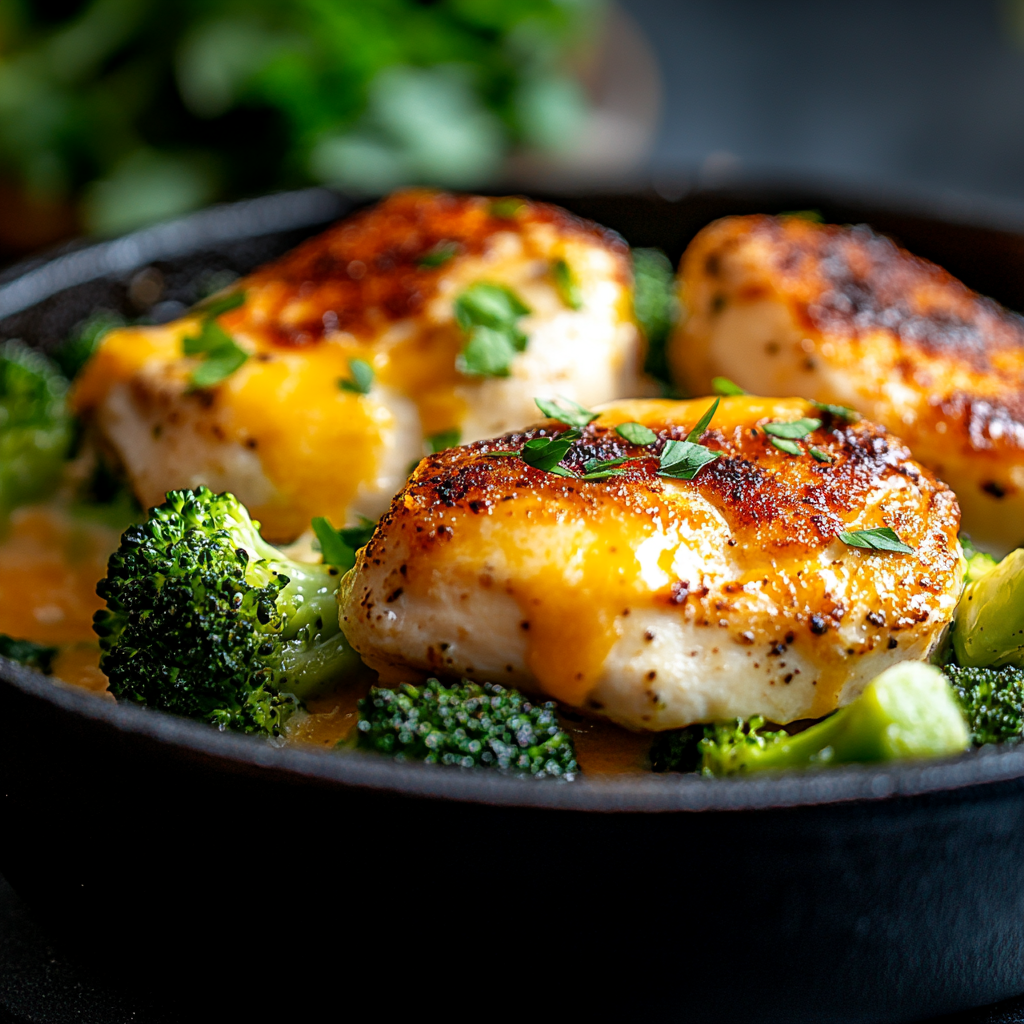
🧬Chicken is a globally recognized protein source, offering a savory and juicy flavor profile that supports muscle growth and immune health. With approximately 27 grams of protein per 100 grams, it is also considered gut-friendly due to its rich protein content. Research suggests that chicken can play a role in serotonin support, potentially influencing mood and overall well-being.
🧑🍳For optimal cooking, it’s essential to pat the chicken completely dry before baking and to salt it uncovered in the refrigerator for at least an hour. This process enhances the Maillard reaction, which is crucial for achieving a golden-brown exterior. Additionally, resting the chicken for five minutes after cooking allows the juices to redistribute, ensuring a moist and flavorful result.
This post contains affiliate links.
About this article
Foodbe.ai exists to inform consumers about the food they buy and eat. Every claim is cited. Sources: NIH, USDA, FDA, Smithsonian, and JSTOR. Found an error? Email us at admin@foodbe.ai to report any source or fact issues.