Cauliflower
Vegetable →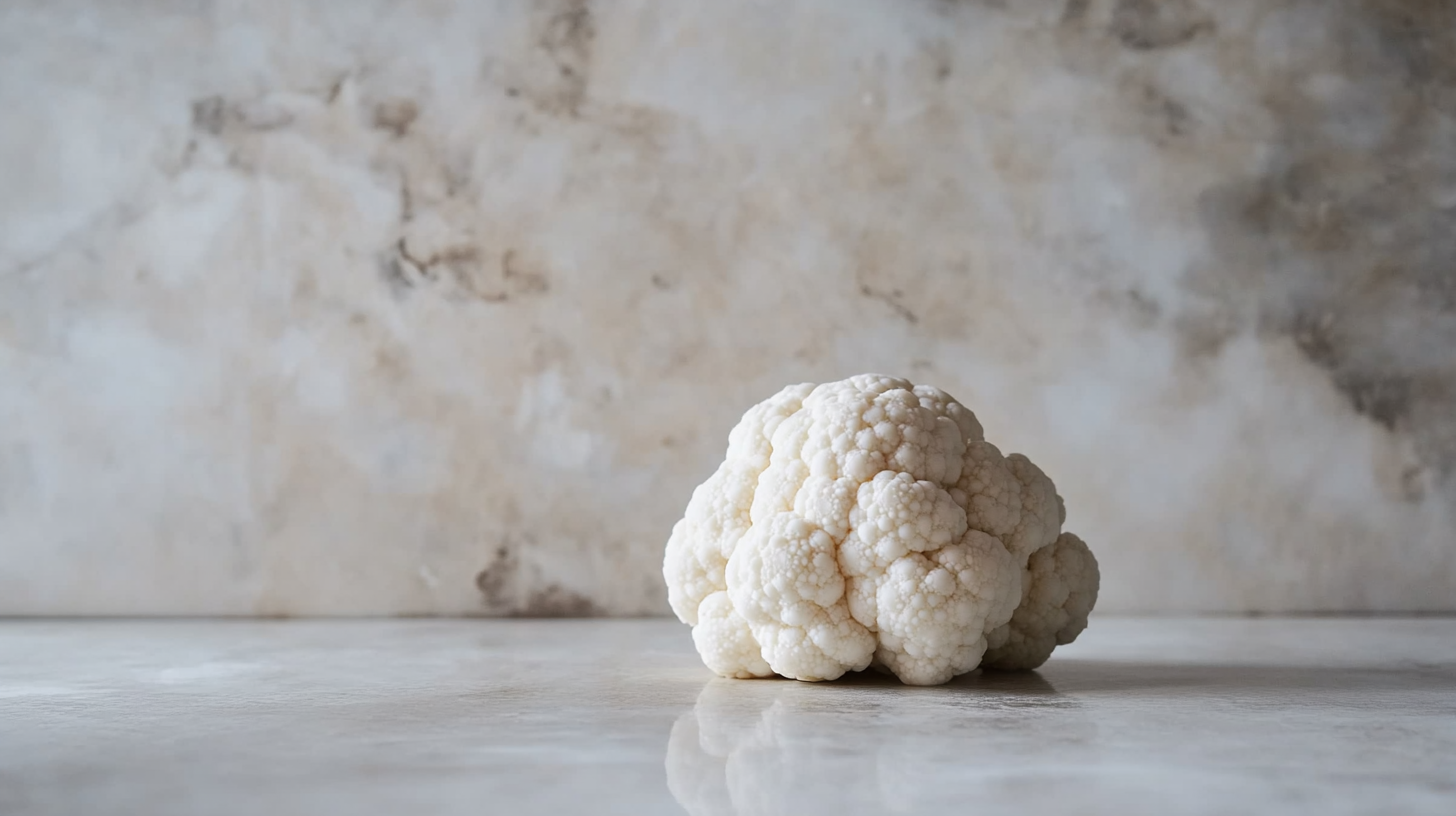
🧬Cauliflower is a versatile vegetable that offers a mild, nutty flavor and is low in calories, containing just 25 per 100 grams. Research suggests that its fiber content acts as a prebiotic, supporting gut health and contributing to overall cognitive function and satiety. Additionally, compounds like sulforaphane may provide antioxidant and anti-inflammatory benefits, making cauliflower a valuable addition to a balanced diet.
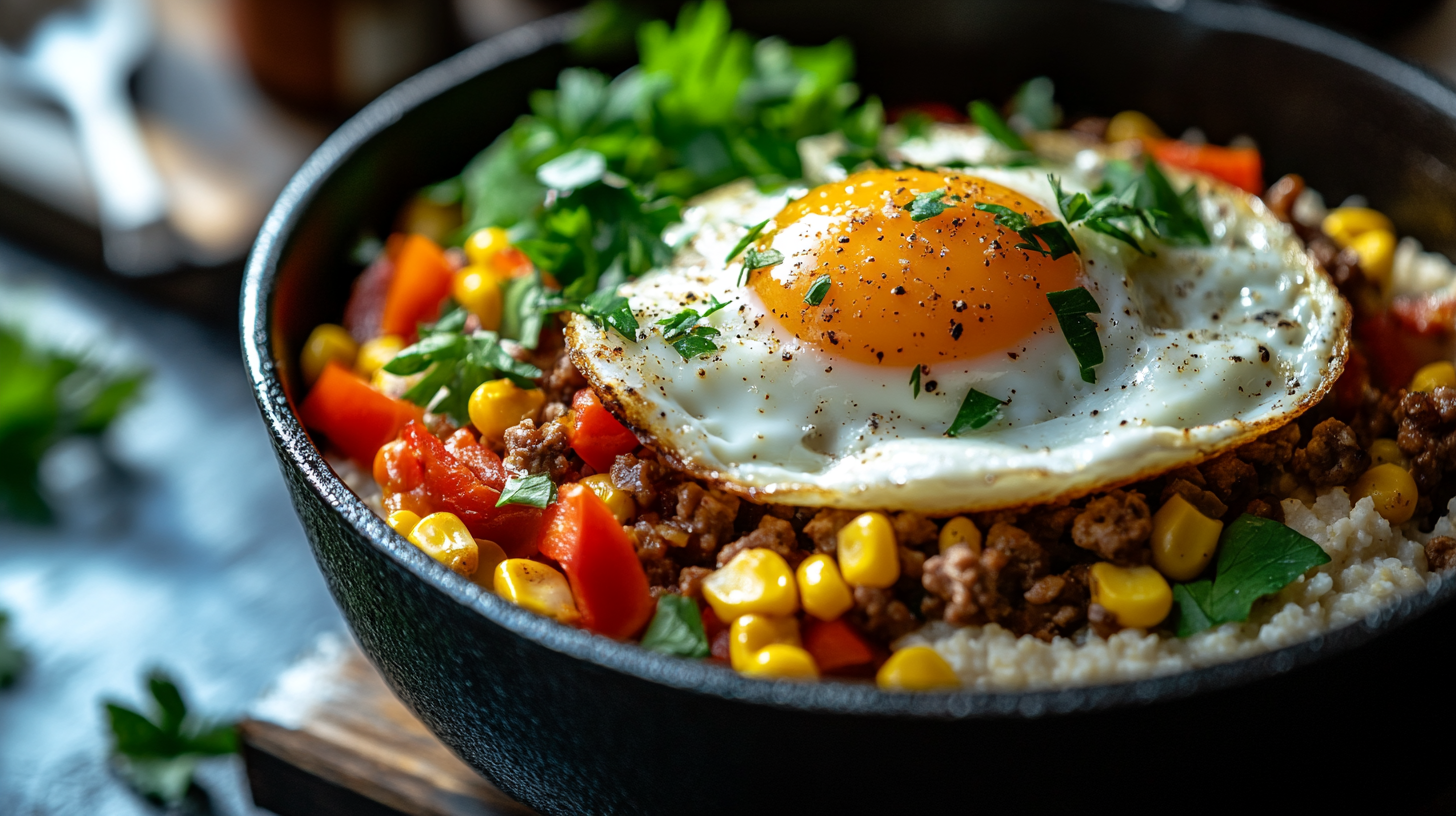
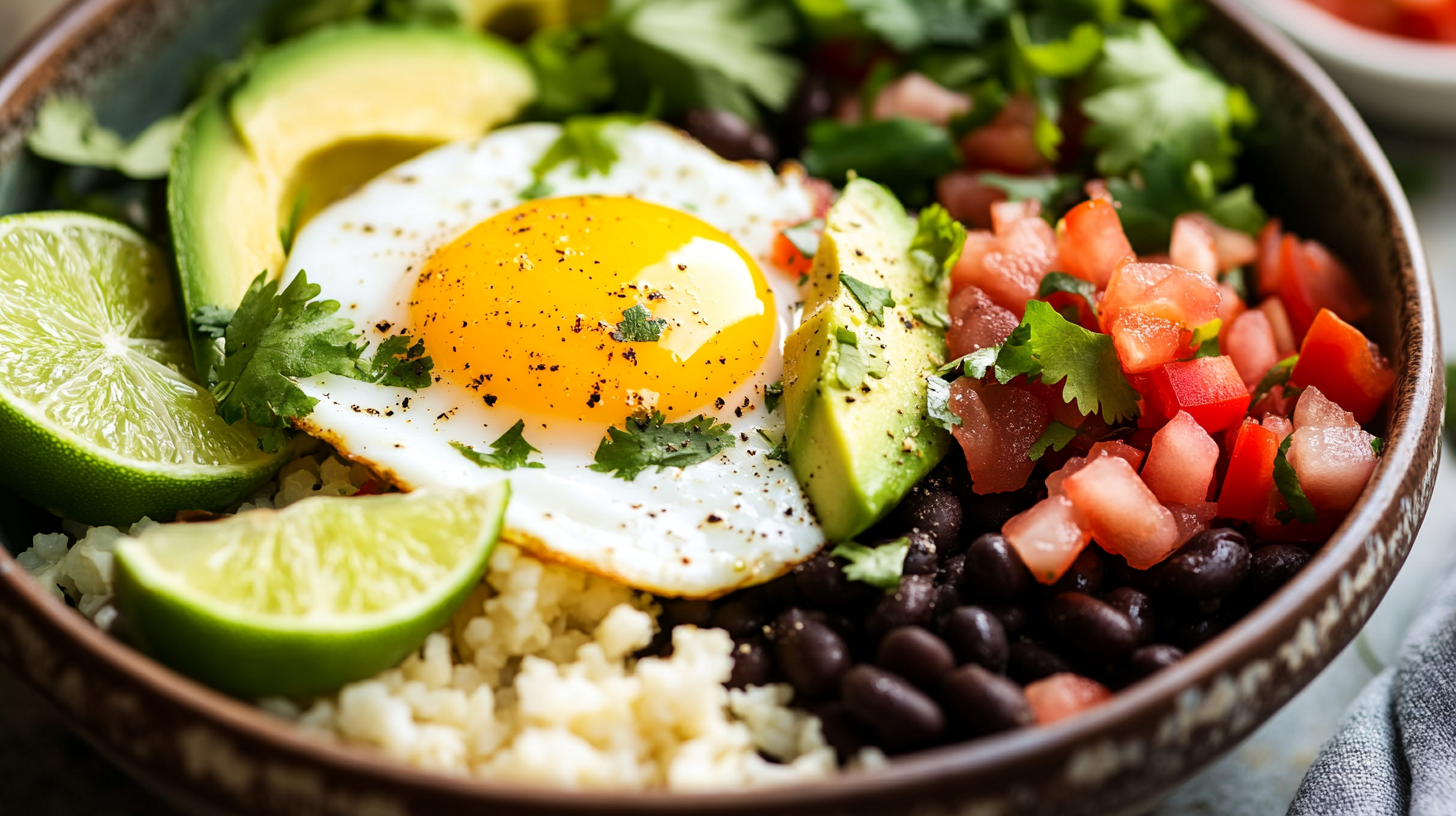
🧑🍳When preparing cauliflower rice, it's essential to cook it in a dry skillet over medium-high heat for 5-7 minutes without oil to achieve the right texture. This method evaporates excess moisture, preventing the soggy outcome that often plagues cauliflower rice. To enhance flavor, season aggressively with aromatics and sauces early in the cooking process, allowing the cauliflower to absorb these flavors effectively. Mastering these techniques will ensure a satisfying dish that rivals traditional rice.
This post contains affiliate links.
About this article
Foodbe.ai exists to inform consumers about the food they buy and eat. Every claim is cited. Sources: NIH, USDA, FDA, Smithsonian, and JSTOR. Found an error? Email us at admin@foodbe.ai to report any source or fact issues.