Carrot
Vegetable →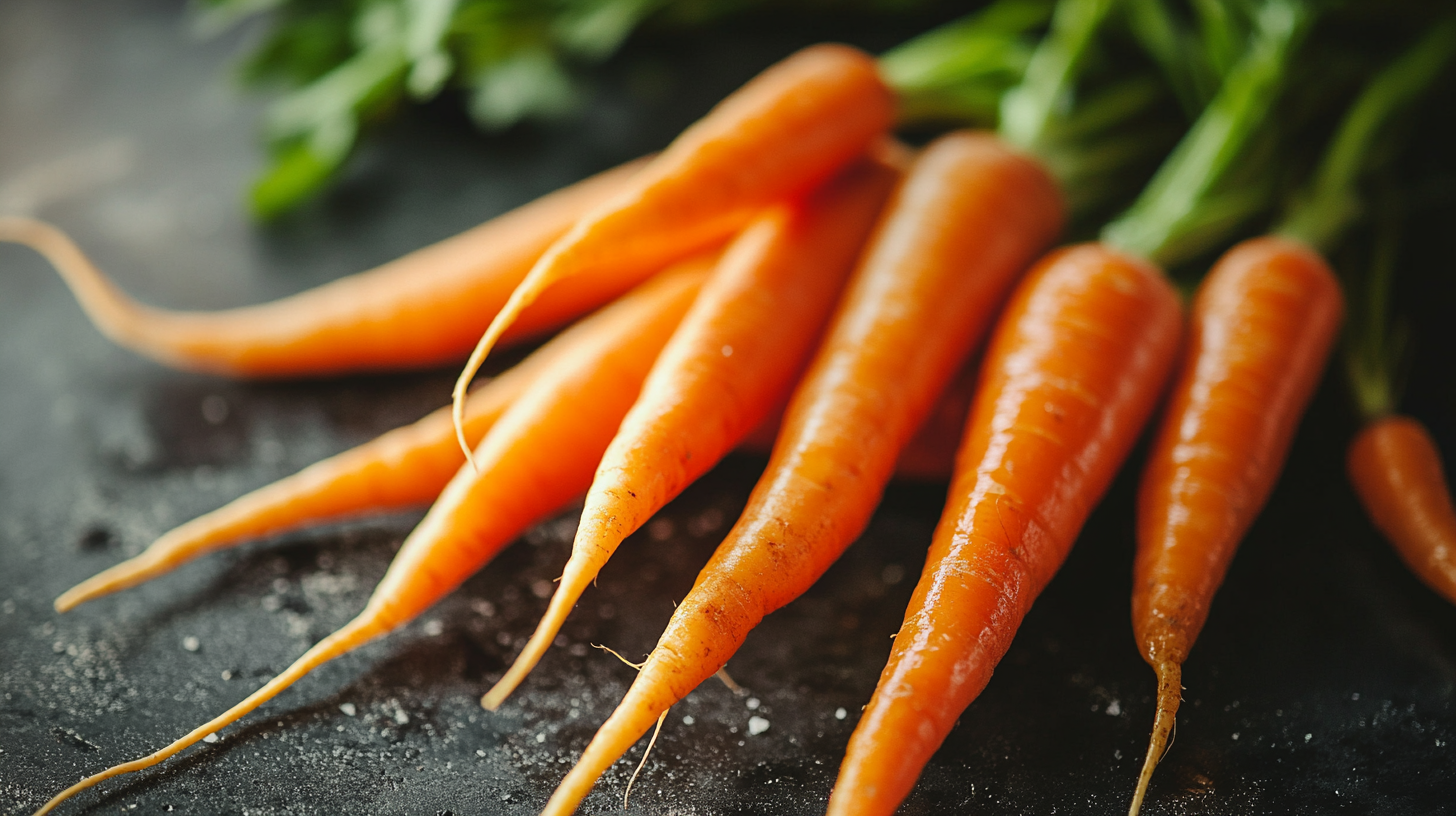
🧬Carrots are not only a vibrant addition to meals but also support various health functions, particularly in vision and gut health. With 41 calories per 100 grams, they are low in calories while providing essential nutrients like beta-carotene and fiber, which may contribute to a healthy microbiome. The connection between gut health and cognitive function, often referred to as the gut-brain axis, highlights the potential benefits of incorporating carrots into your diet for mood stabilization and cognitive support.
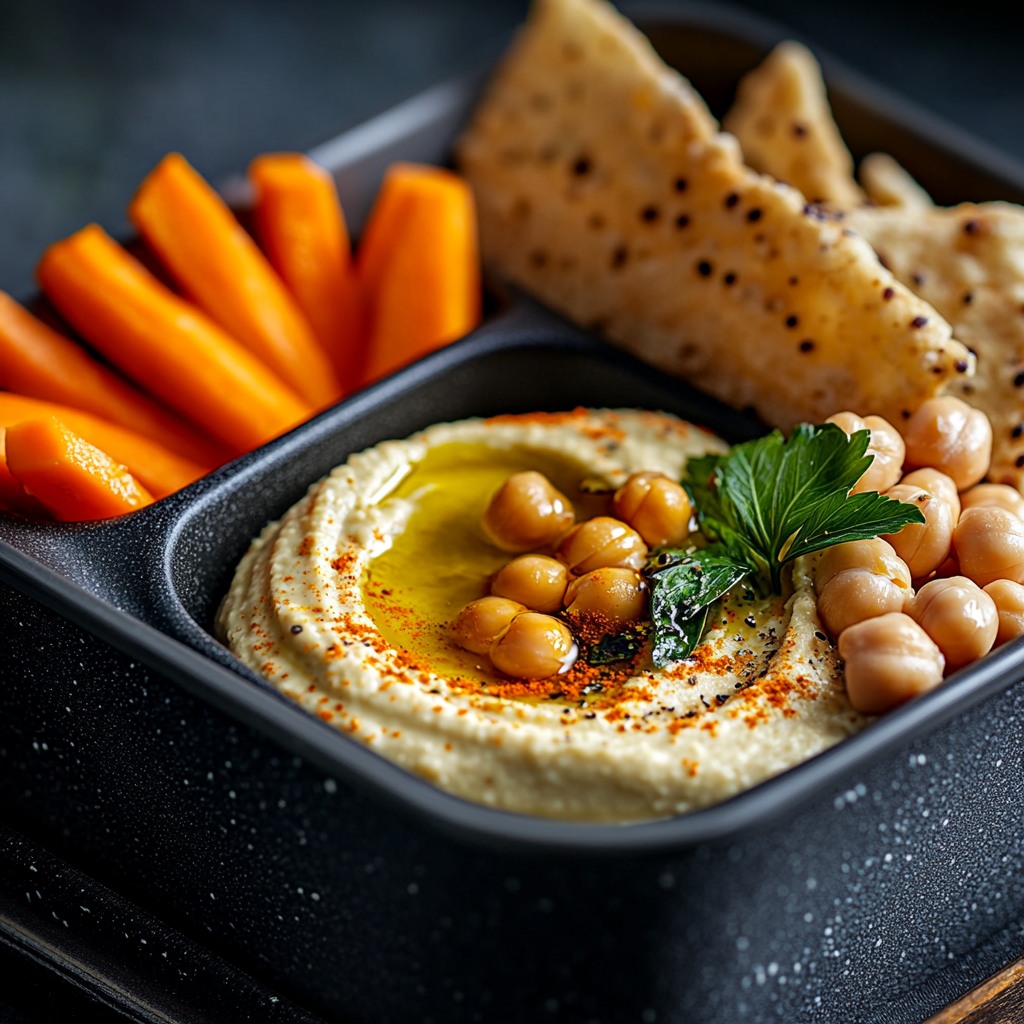
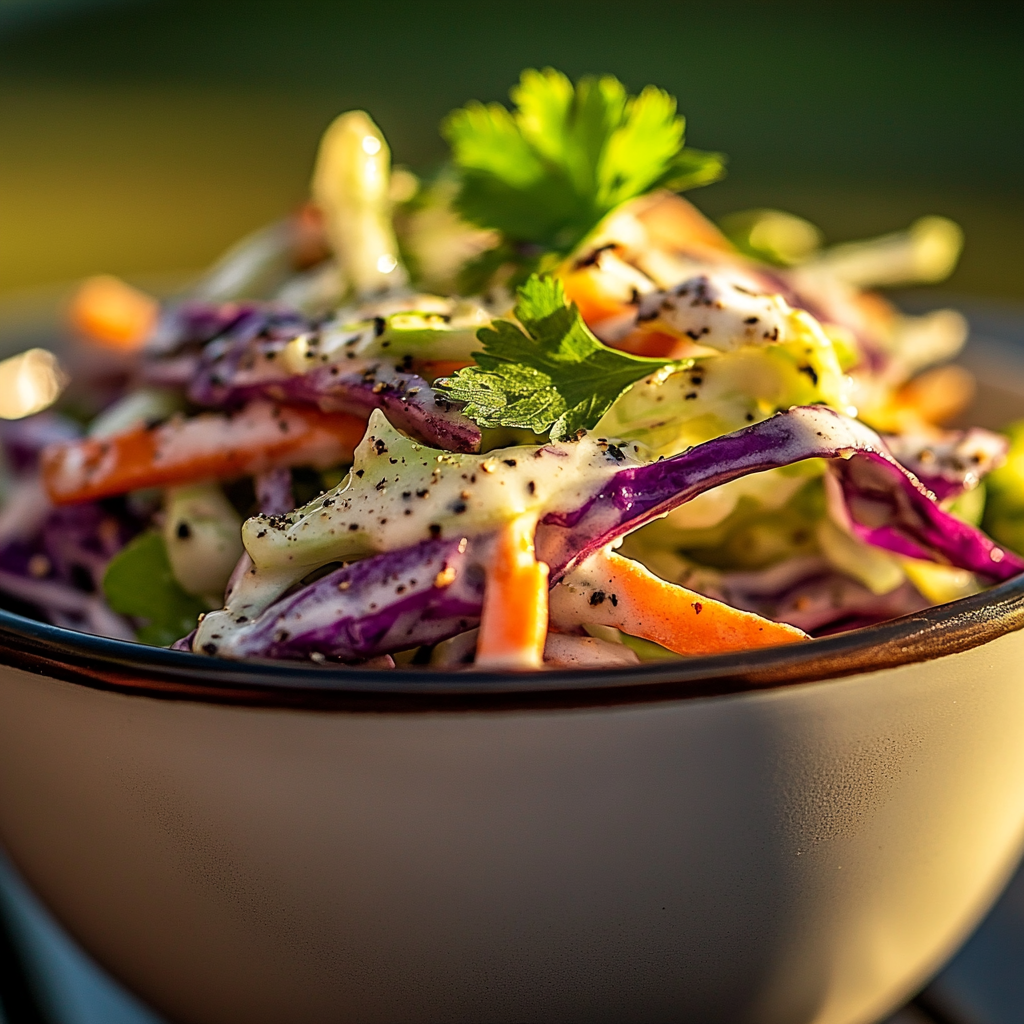
🧑🍳In the kitchen, carrots shine in both raw and cooked forms, allowing their sweet and earthy flavors to complement a variety of dishes. For a refreshing snack, try slicing them into sticks or grating them for salads, where their crisp texture adds a delightful crunch. When steaming, aim for just a few minutes to preserve their bright color and natural sweetness. Mastering these simple techniques will enhance your culinary repertoire.
This post contains affiliate links.
About this article
Foodbe.ai exists to inform consumers about the food they buy and eat. Every claim is cited. Sources: NIH, USDA, FDA, Smithsonian, and JSTOR. Found an error? Email us at admin@foodbe.ai to report any source or fact issues.