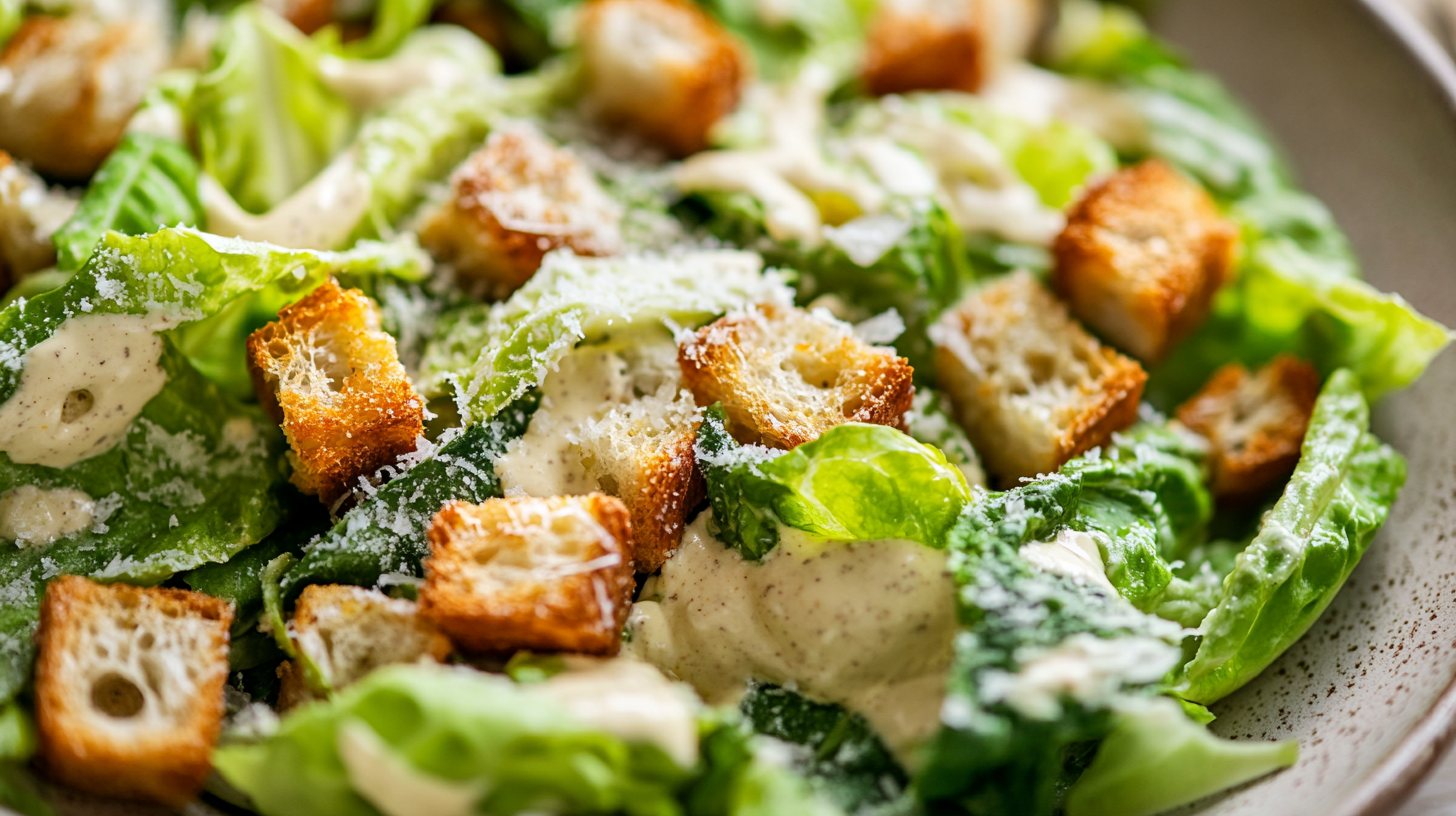
🧬Caesar salad, with its creamy and tangy profile, offers not only a delightful crunch but also potential health benefits. Research suggests that the antioxidants present in the ingredients can play a role in supporting overall well-being, while the dopamine-reward mechanism associated with its rich flavors may enhance mood. With 10 grams of protein per 100 grams, this salad can contribute to a satisfying meal experience.
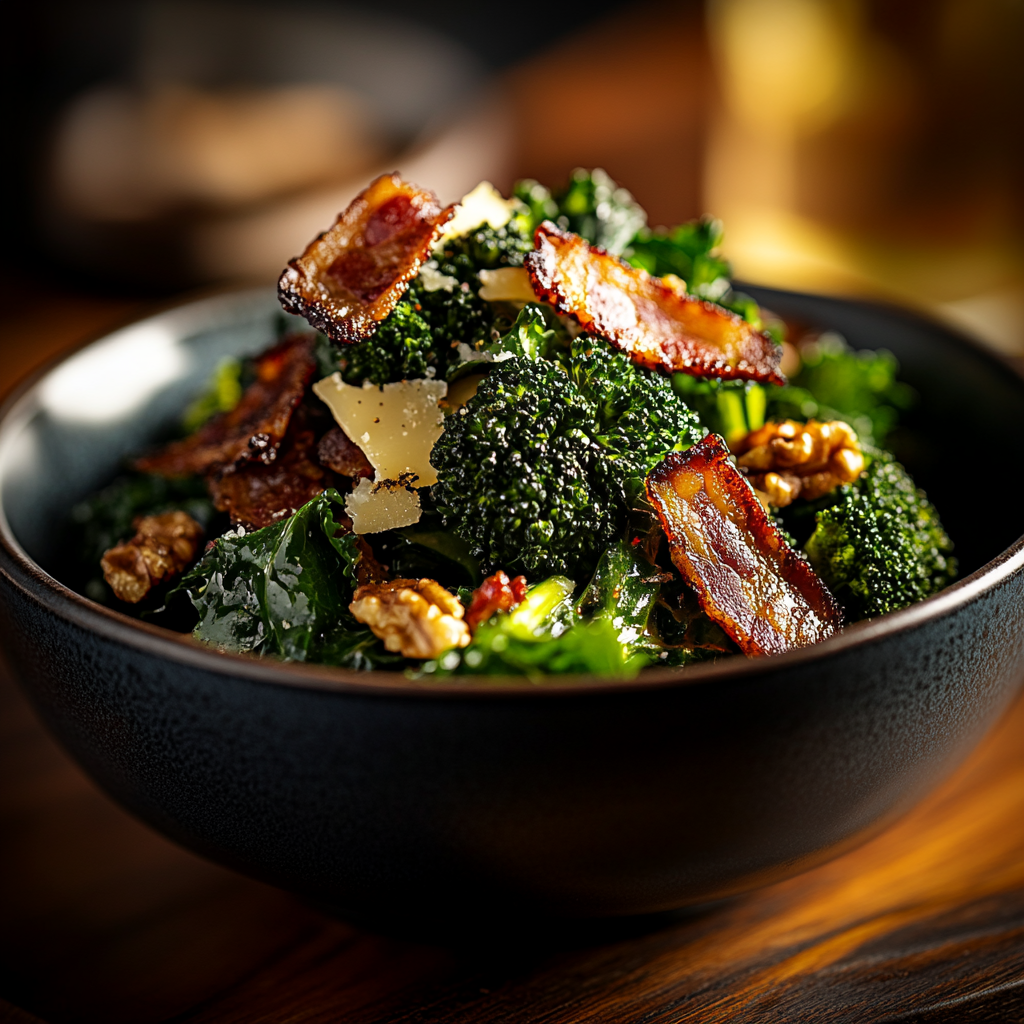
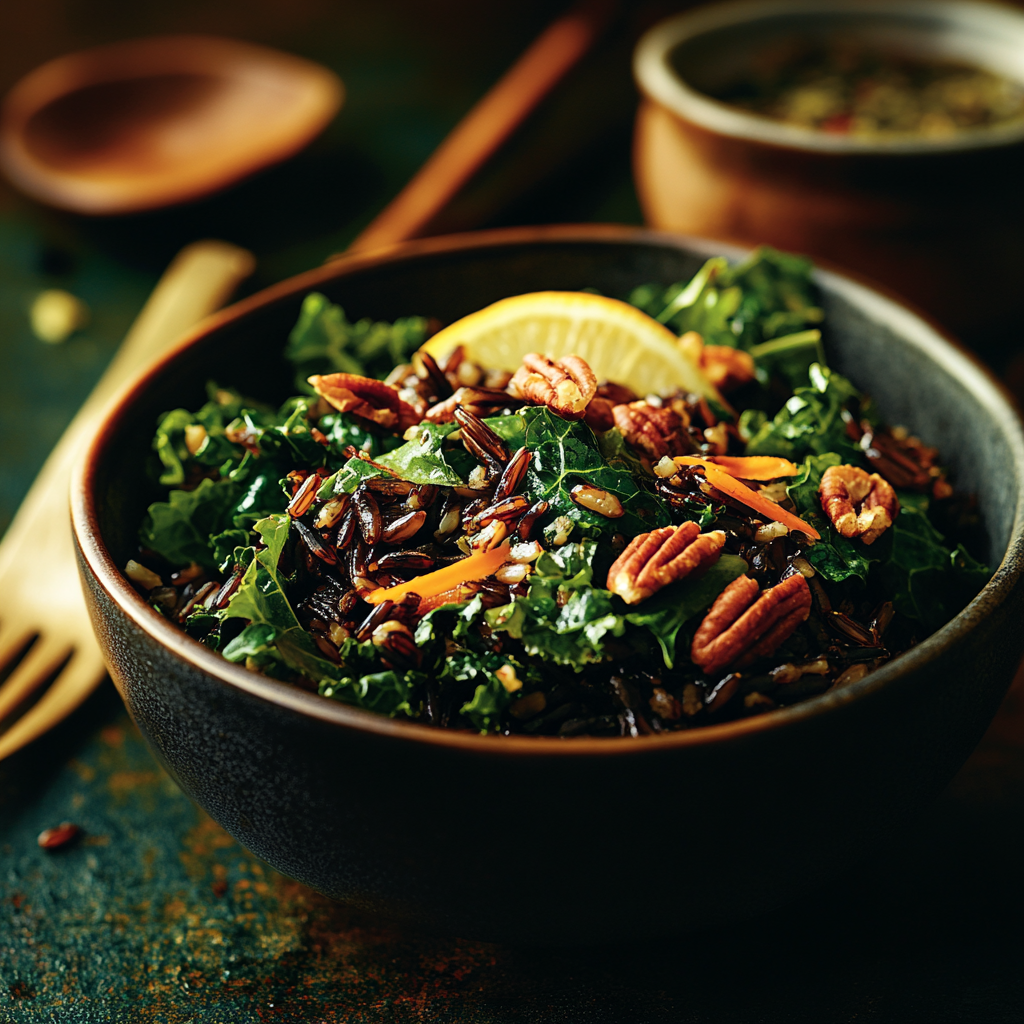
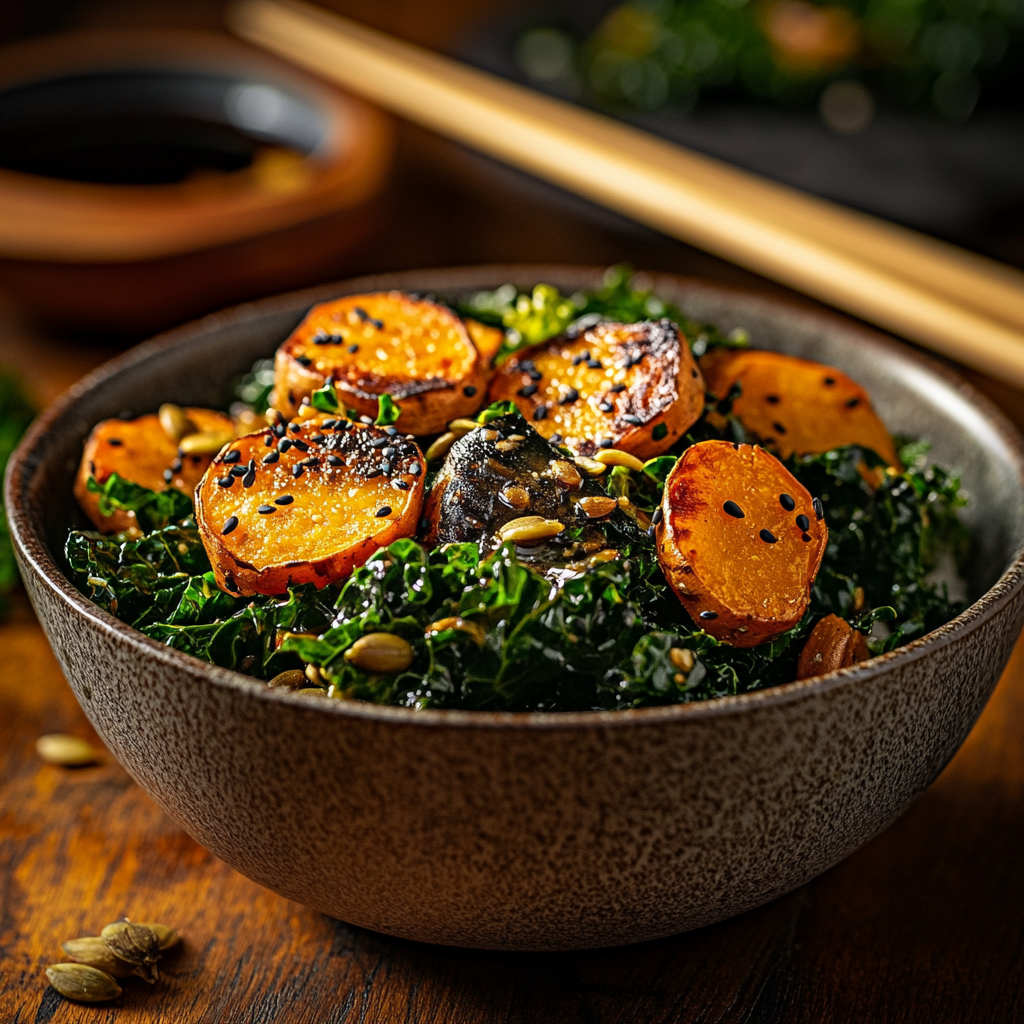
🧑🍳For a more fulfilling Caesar salad, consider rethinking its structure by starting with a protein or grain base, using the greens as a complementary element rather than the main feature. Incorporating warm proteins can enhance texture and create a satisfying contrast, while fat-forward dressings like tahini or olive oil can slow digestion, making the greens feel more substantial. This approach ensures that your salad is not just an appetizer, but a hearty dish in its own right.
This post contains affiliate links.
About this article
Foodbe.ai exists to inform consumers about the food they buy and eat. Every claim is cited. Sources: NIH, USDA, FDA, Smithsonian, and JSTOR. Found an error? Email us at admin@foodbe.ai to report any source or fact issues.