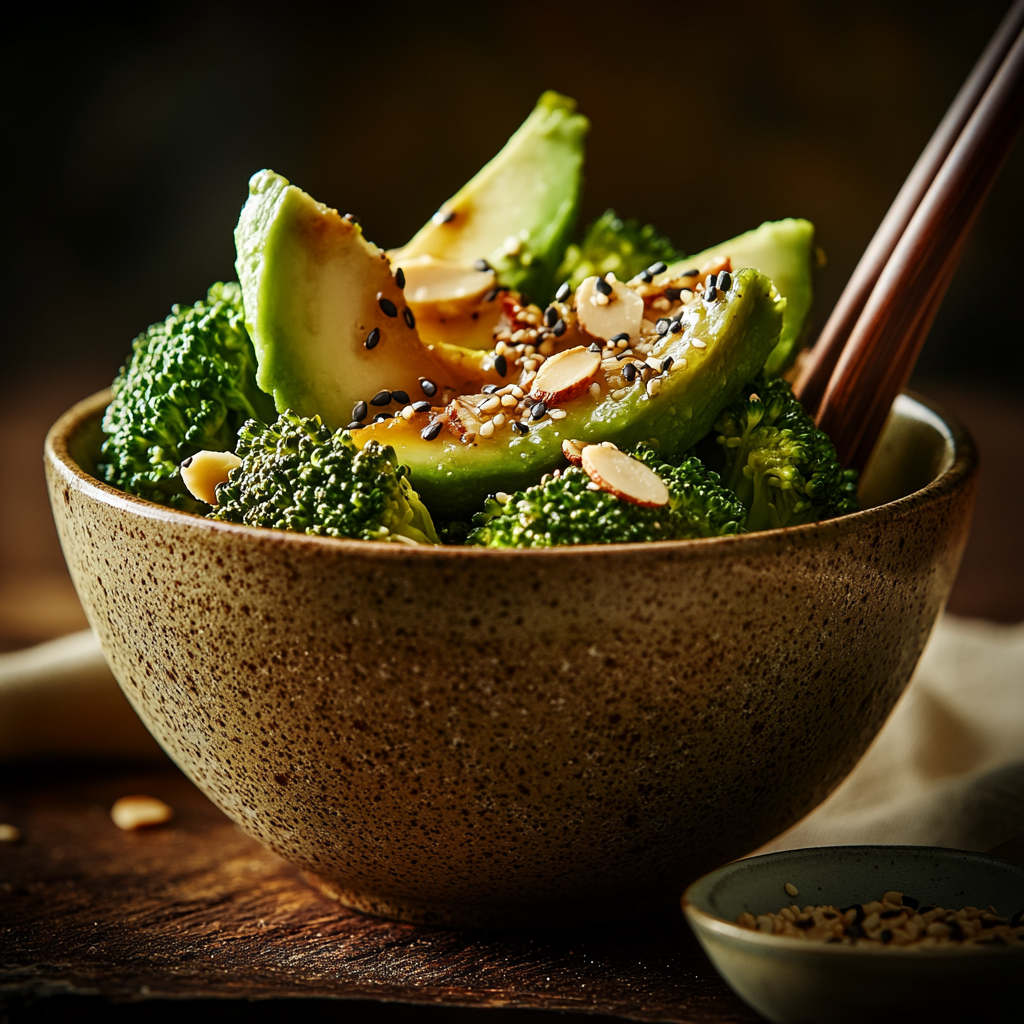
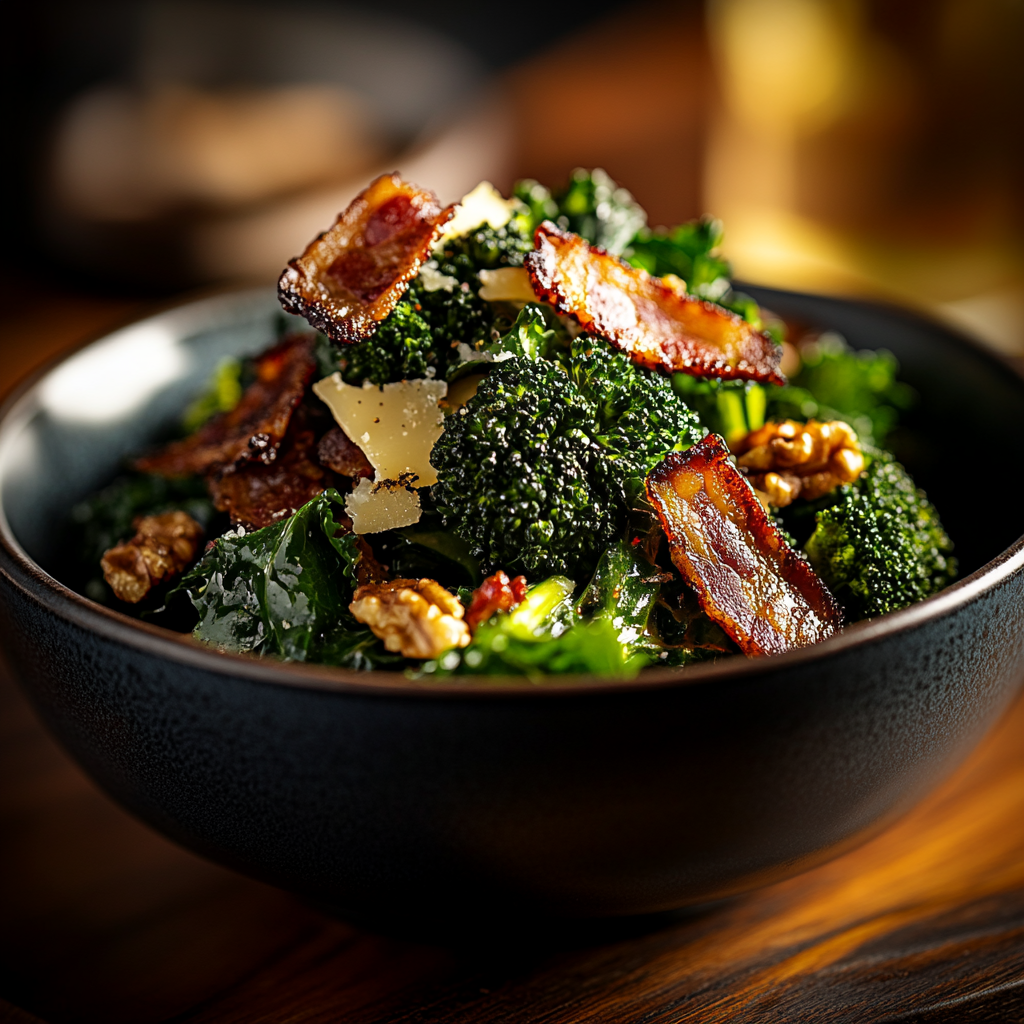
Broccoli
Vegetable →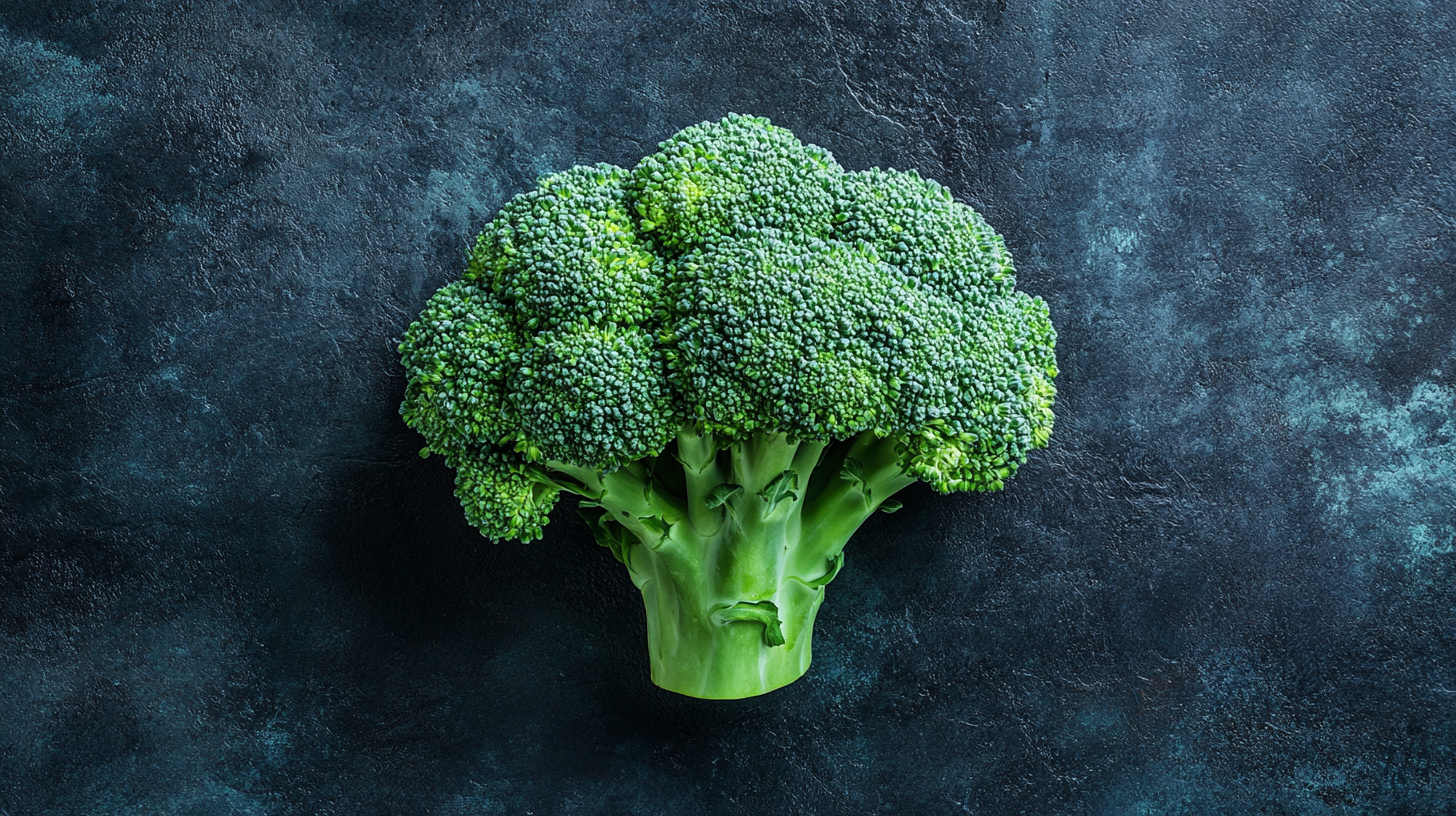
🧬Broccoli, with its earthy and slightly bitter flavor, is a nutritional powerhouse that supports antioxidant activity and immune function. Research suggests that its high fiber content, approximately 2.6 grams per 100 grams, acts as a prebiotic, promoting gut health while compounds like sulforaphane may contribute to stress resilience and mood support. This vibrant vegetable is linked to longevity benefits, including cellular protection and potential cancer prevention, making it a valuable addition to any diet.
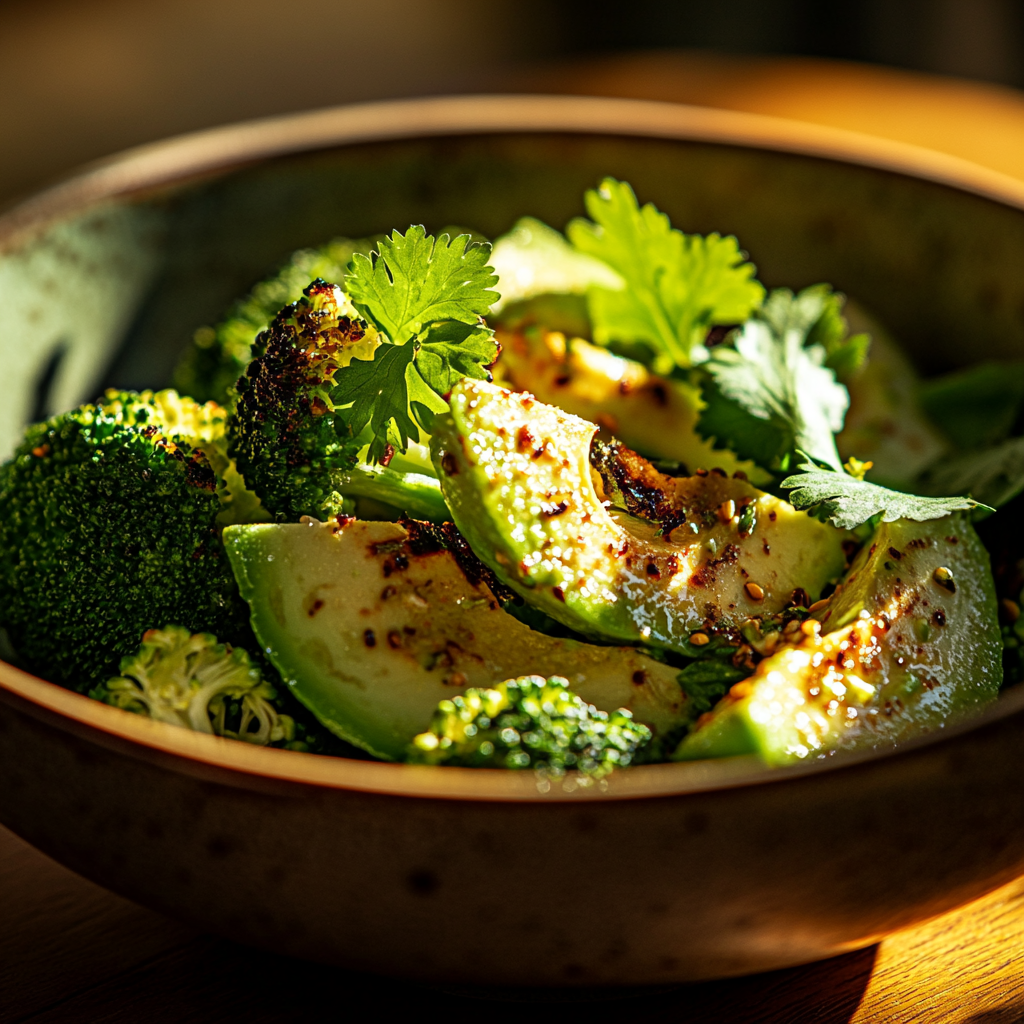
🧑🍳For optimal cooking, cut the stems thinner than the florets or peel and slice them to ensure even cooking. Roasting broccoli until the edges turn dark brown and slightly crispy not only enhances its flavor through caramelization and Maillard browning but also adds a delightful texture. Mastering these techniques will allow you to showcase broccoli's unique characteristics beautifully.
This post contains affiliate links.
About this article
Foodbe.ai exists to inform consumers about the food they buy and eat. Every claim is cited. Sources: NIH, USDA, FDA, Smithsonian, and JSTOR. Found an error? Email us at admin@foodbe.ai to report any source or fact issues.