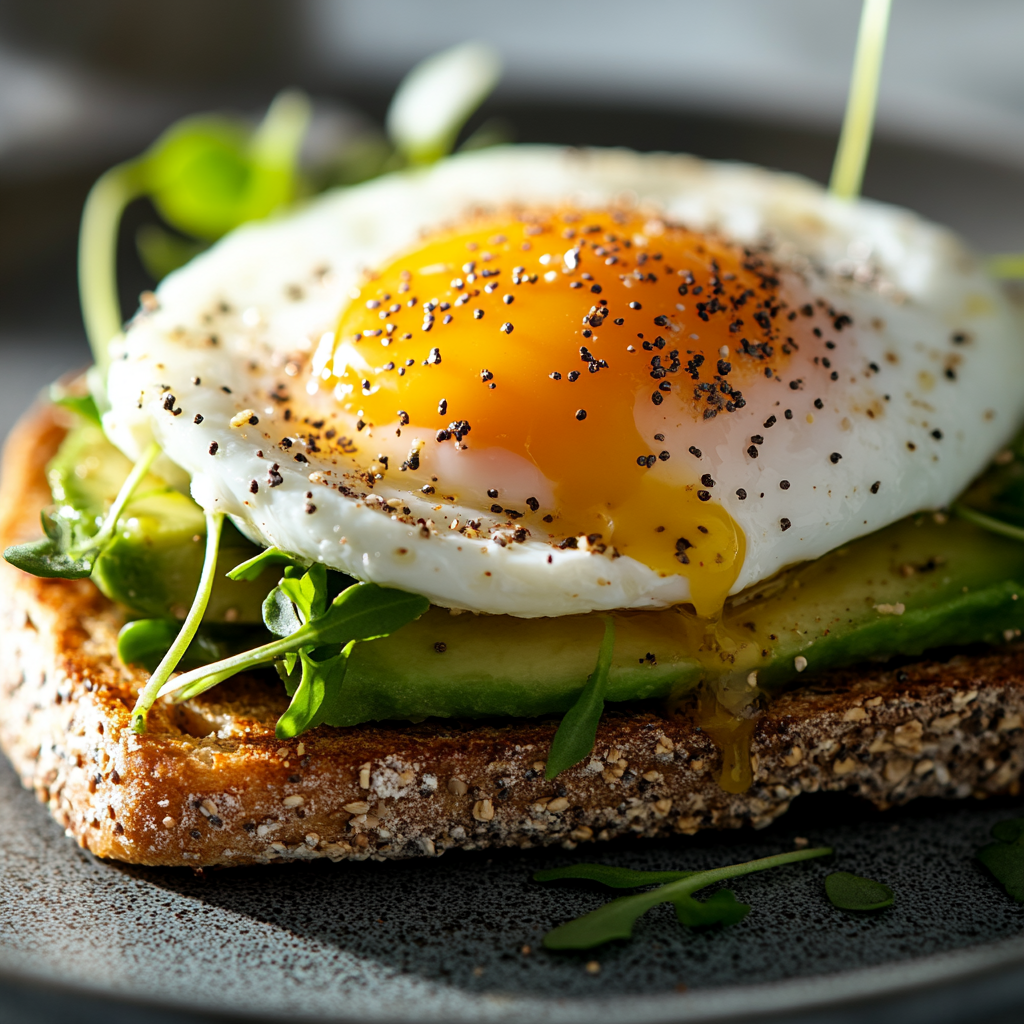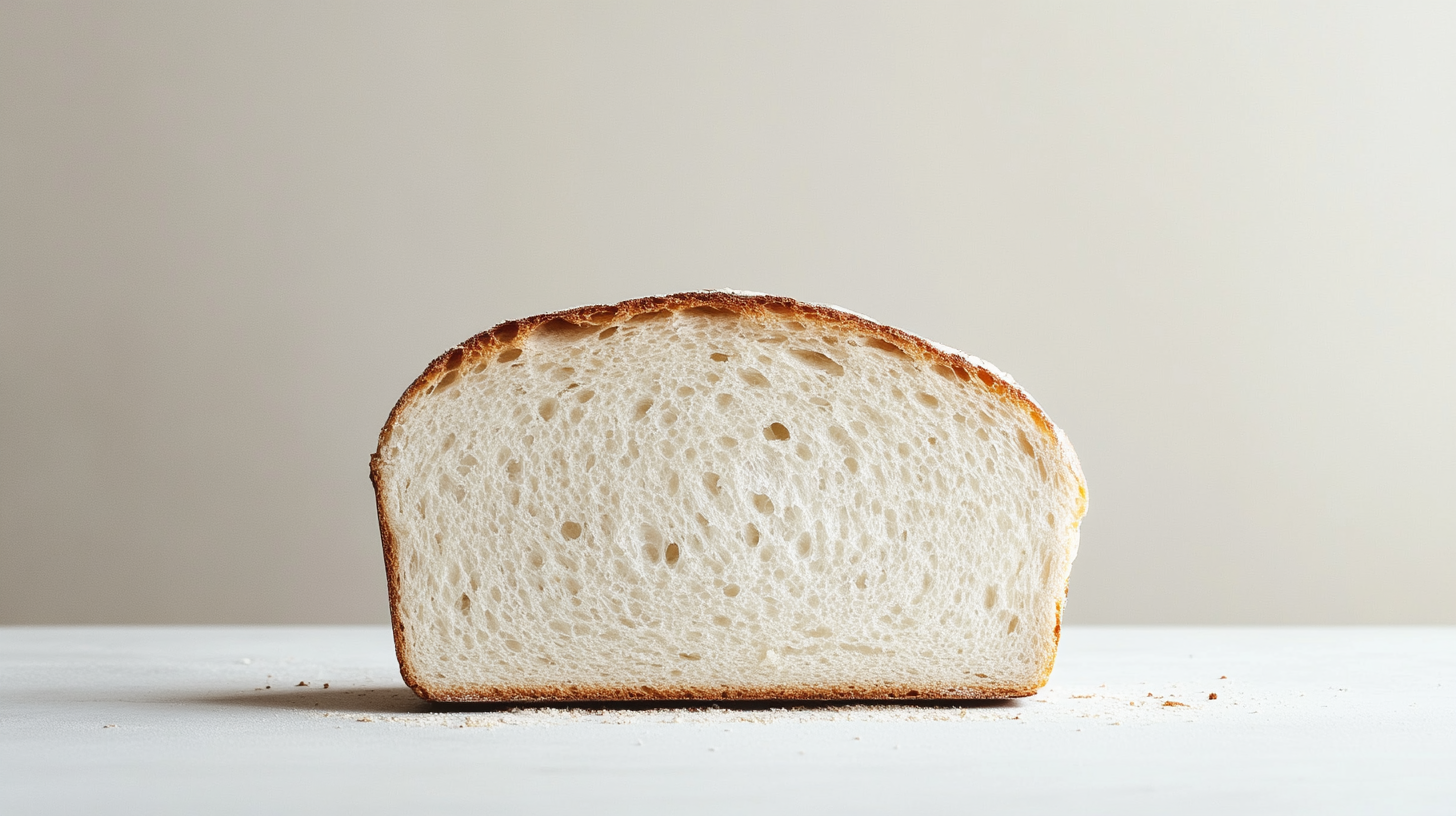
🧬Bread serves as a staple in diets worldwide, offering a comforting, familiar flavor profile characterized by its yeasty, soft, and slightly sweet taste. With about 180 calories per 100 grams, it provides a quick energy boost, while its fiber content may support gut health by acting as a prebiotic. The gut-brain axis highlights the connection between our digestive system and mental well-being, suggesting that the consumption of bread could play a role in overall health.
🧑🍳When it comes to baking bread, utilizing a Dutch oven can replicate the steam injection found in professional ovens, ensuring a crust that is both open and crackling. The hydration level of your dough is crucial; maintaining a hydration of 75–80% allows gluten to develop without kneading, leading to a light and airy loaf. Additionally, scoring the dough before baking directs its expansion, creating a beautifully shaped crust. Master these techniques for consistently impressive results.
This post contains affiliate links.
About this article
Foodbe.ai exists to inform consumers about the food they buy and eat. Every claim is cited. Sources: NIH, USDA, FDA, Smithsonian, and JSTOR. Found an error? Email us at admin@foodbe.ai to report any source or fact issues.