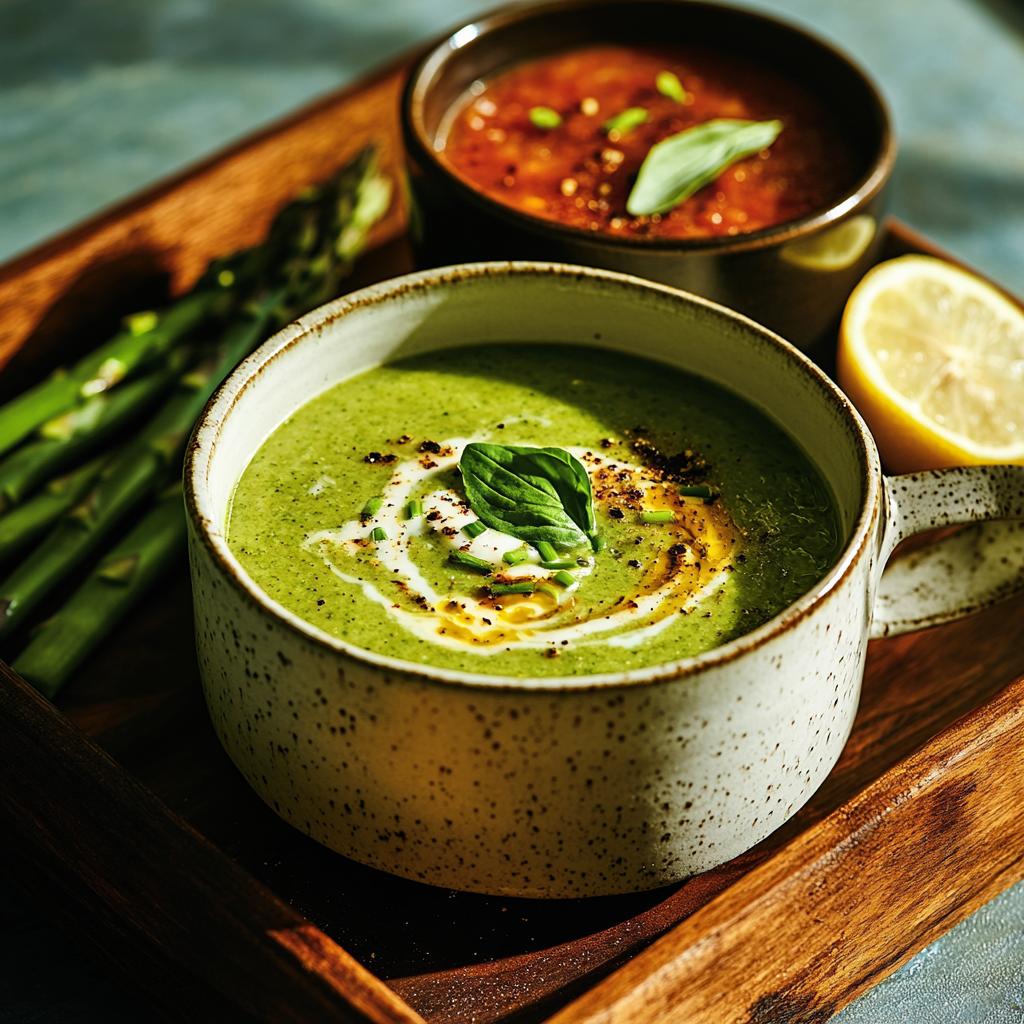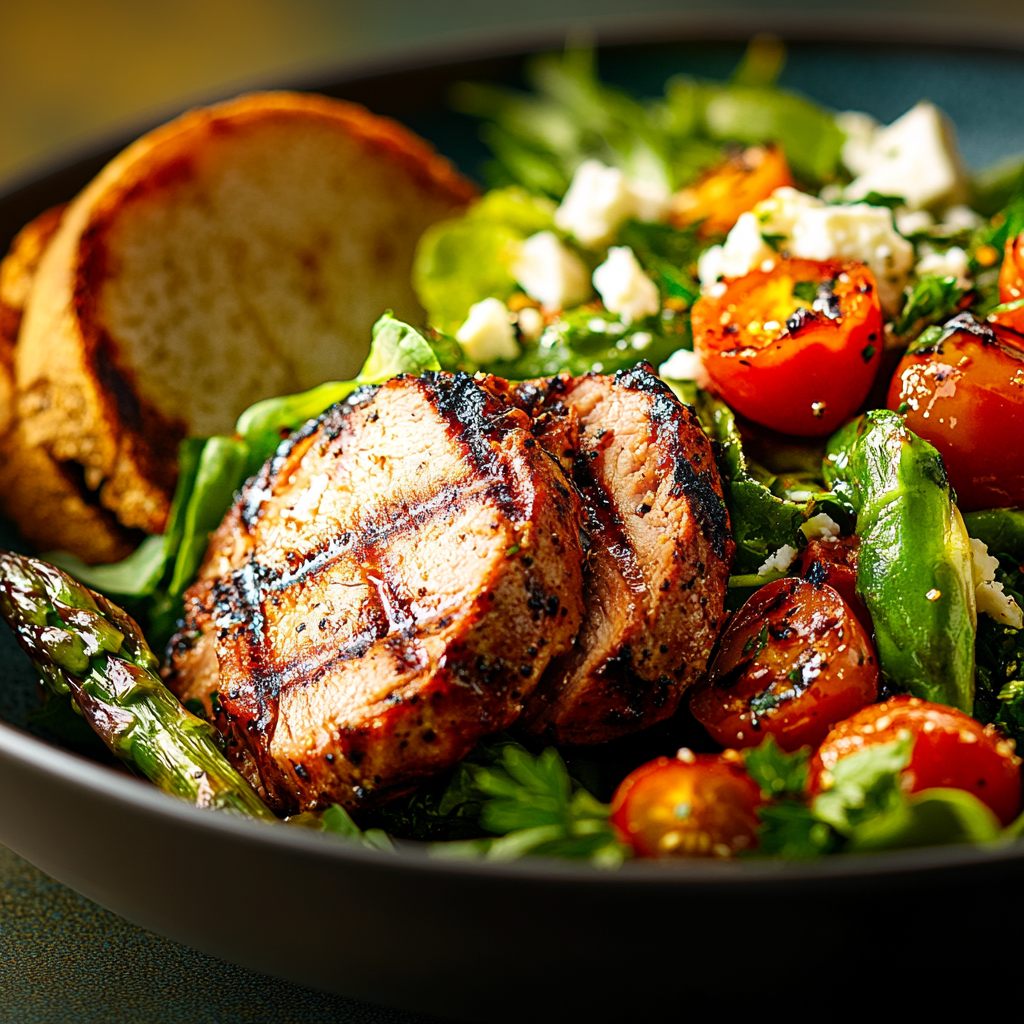
🧬Asparagus is a nutrient-dense vegetable that offers a range of health benefits, including support for kidney function and a mild diuretic effect. This green spear is rich in glutathione precursors, which may help stabilize mood and enhance focus. With only 90 calories per 100 grams, asparagus is also a low-FODMAP option that promotes gut motility and acts as a prebiotic, making it a smart choice for those seeking to improve their digestive health.
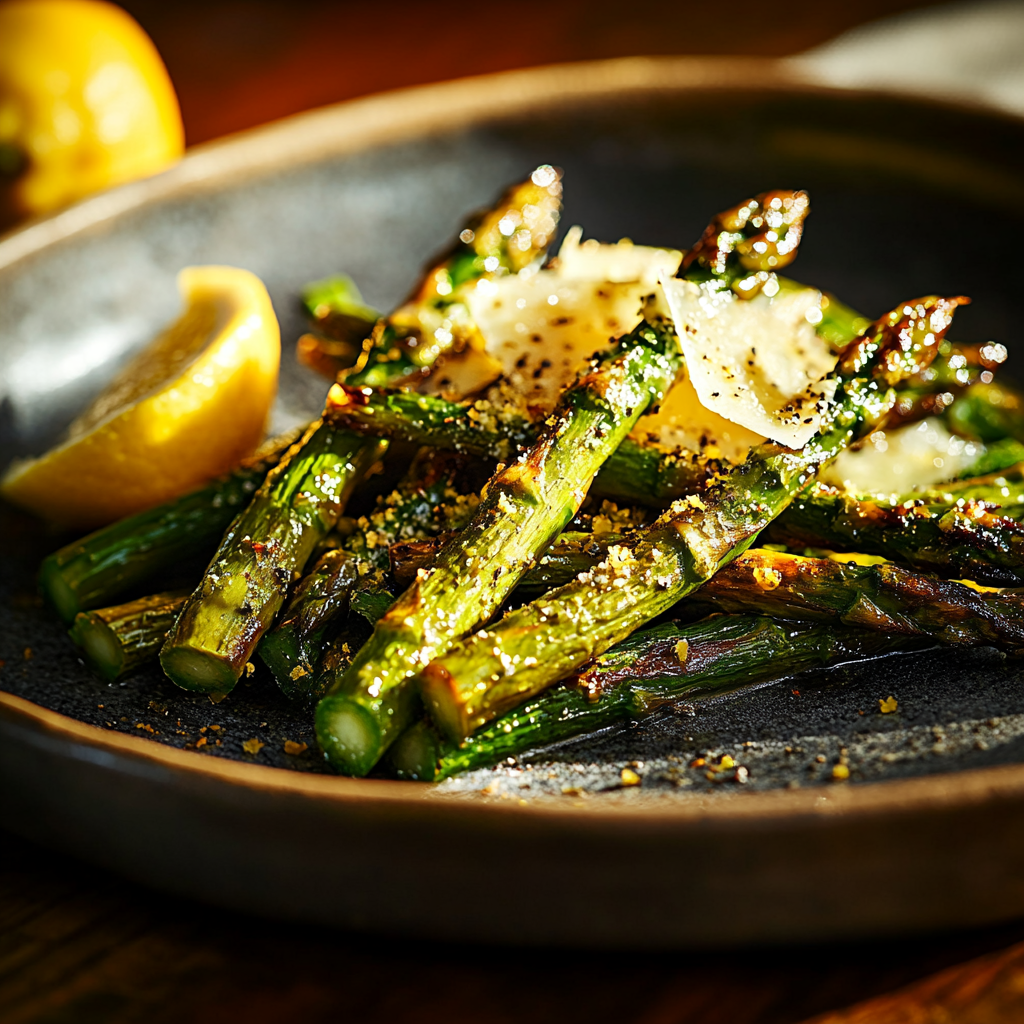
🧑🍳When preparing asparagus, the best technique is to hold both ends of the stalk and bend until it snaps; this ensures you remove the woody part without any guesswork. For optimal roasting, arrange the spears in a single layer on a hot sheet pan, tossing them with oil and salt to achieve that desirable char. This method prevents steaming and enhances the vegetable's natural flavors.
This post contains affiliate links.
About this article
Foodbe.ai exists to inform consumers about the food they buy and eat. Every claim is cited. Sources: NIH, USDA, FDA, Smithsonian, and JSTOR. Found an error? Email us at admin@foodbe.ai to report any source or fact issues.