Apple
Fruit →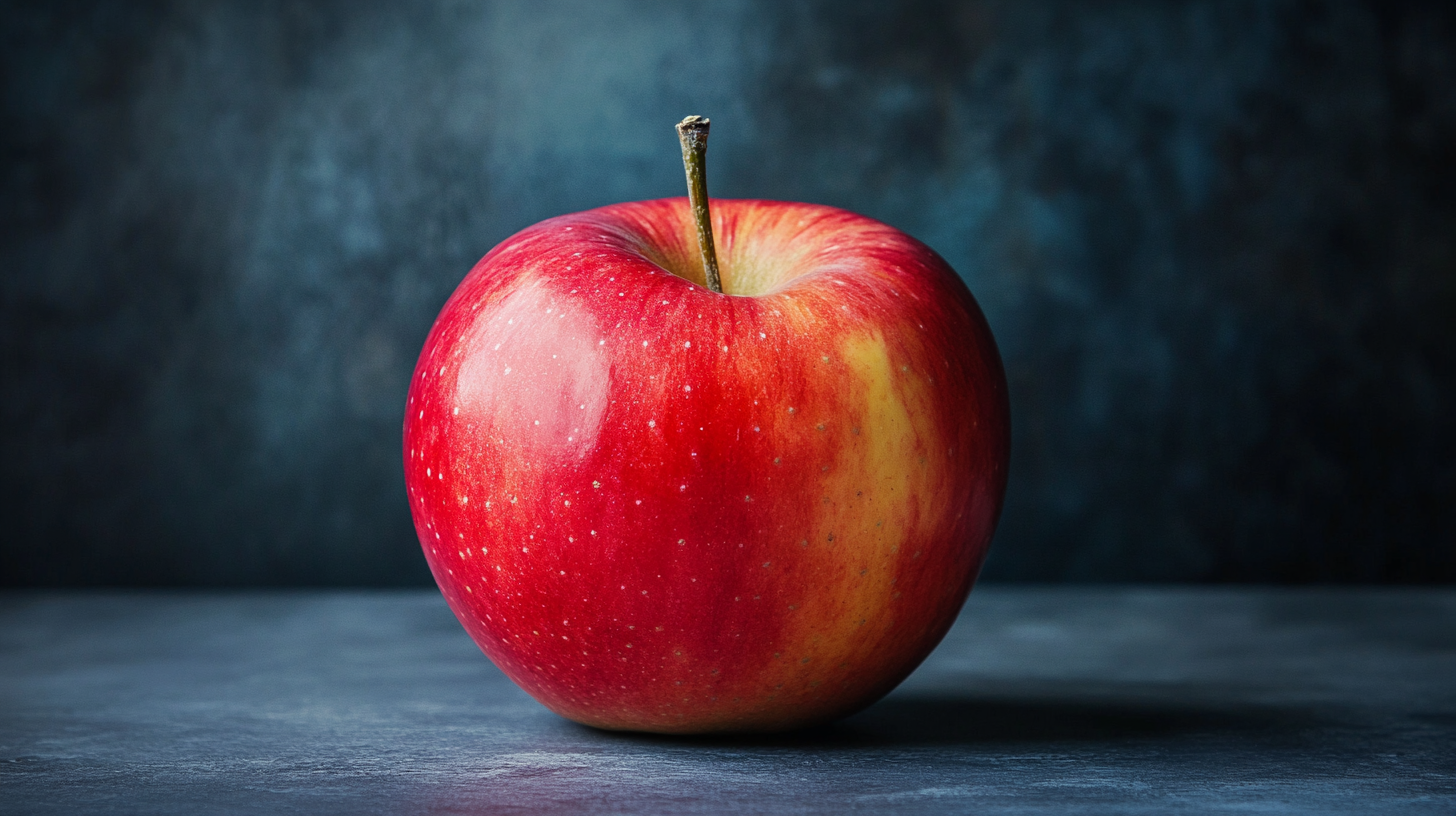
🧬Apples, originating from Central Asia, are not only a delightful snack but also a powerhouse of nutrients. With just 95 calories per 100 grams, they provide a significant amount of fiber, which supports gut health and acts as a prebiotic. The polyphenols found in apples may contribute to improved brain function, enhancing focus and mood, while their antioxidant properties can support heart health and help maintain balanced blood sugar levels.
🧑🍳In the kitchen, proper storage and preparation techniques can maximize the apple's crispness and flavor. Store apples in the refrigerator's crisper drawer, away from leafy greens, to prevent ethylene gas from causing wilting. To keep cut apples from browning, toss them in lemon juice or soak them in a mixture of saltwater or acidulated water. The crispest apples come from cold storage, so refrigerate them for at least two hours before enjoying.
This post contains affiliate links.
About this article
Foodbe.ai exists to inform consumers about the food they buy and eat. Every claim is cited. Sources: NIH, USDA, FDA, Smithsonian, and JSTOR. Found an error? Email us at admin@foodbe.ai to report any source or fact issues.