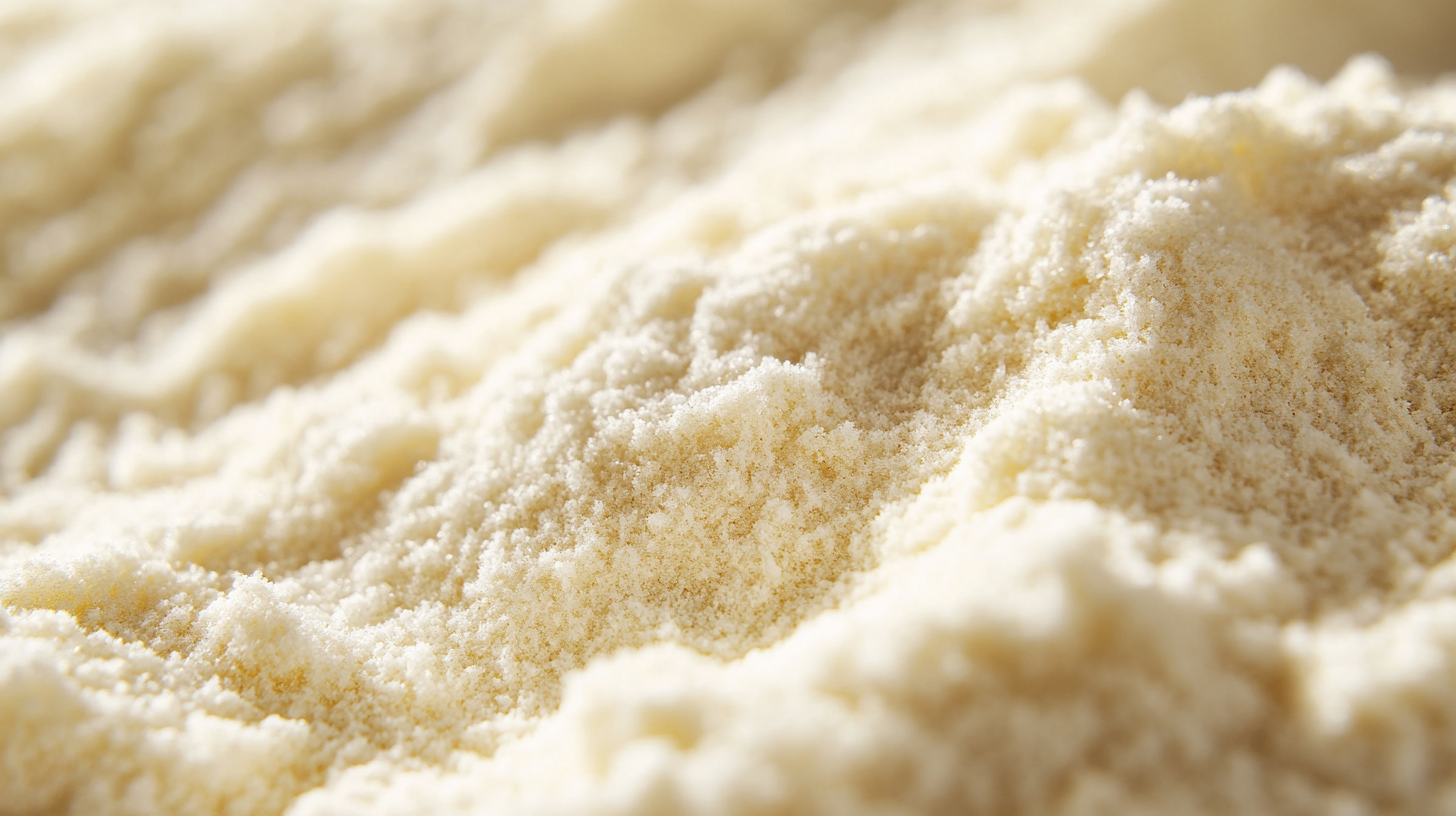
🧬Almond flour is a versatile ingredient that offers a mild, slightly sweet, and nutty flavor profile, making it an excellent choice for various baking applications. With 6 grams of protein and 14 grams of fat per 100 grams, it serves as a source of sustained energy and may help support blood sugar balance. Research suggests that incorporating almond flour into your diet can contribute positively to heart health, thanks to its low glycemic index and fiber content, which also promotes gut health.
🧑🍳When using almond flour in your recipes, consider its unique properties compared to traditional flours. It works well in cookies and pancakes, but for denser baked goods like bread and muffins, a blend of whole wheat and almond flour can enhance texture while adding fiber. Always store almond flour in a cool, dry place to maintain its freshness, as the natural oils can go rancid over time.
This post contains affiliate links.
About this article
Foodbe.ai exists to inform consumers about the food they buy and eat. Every claim is cited. Sources: NIH, USDA, FDA, Smithsonian, and JSTOR. Found an error? Email us at admin@foodbe.ai to report any source or fact issues.