🧬Wine, with its complex profile of fruity and tannic flavors, offers potential health benefits such as cardiovascular support and antioxidant properties. Research suggests that the polyphenols found in wine may contribute to gut health and promote relaxation by influencing serotonin levels in the brain. With approximately 575 calories per 100 grams, wine can also serve as a delightful indulgence that enhances sociability and romance.
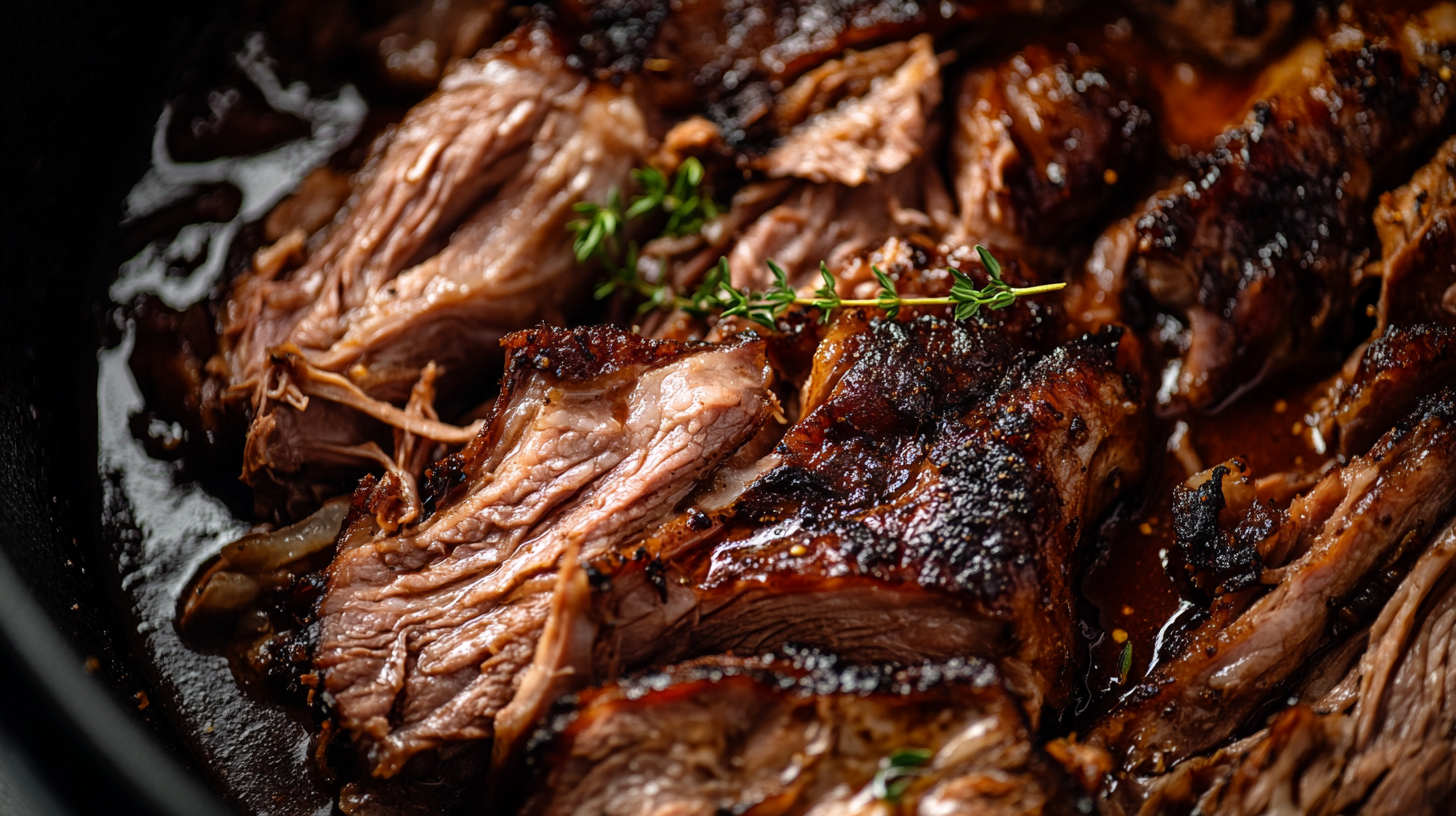
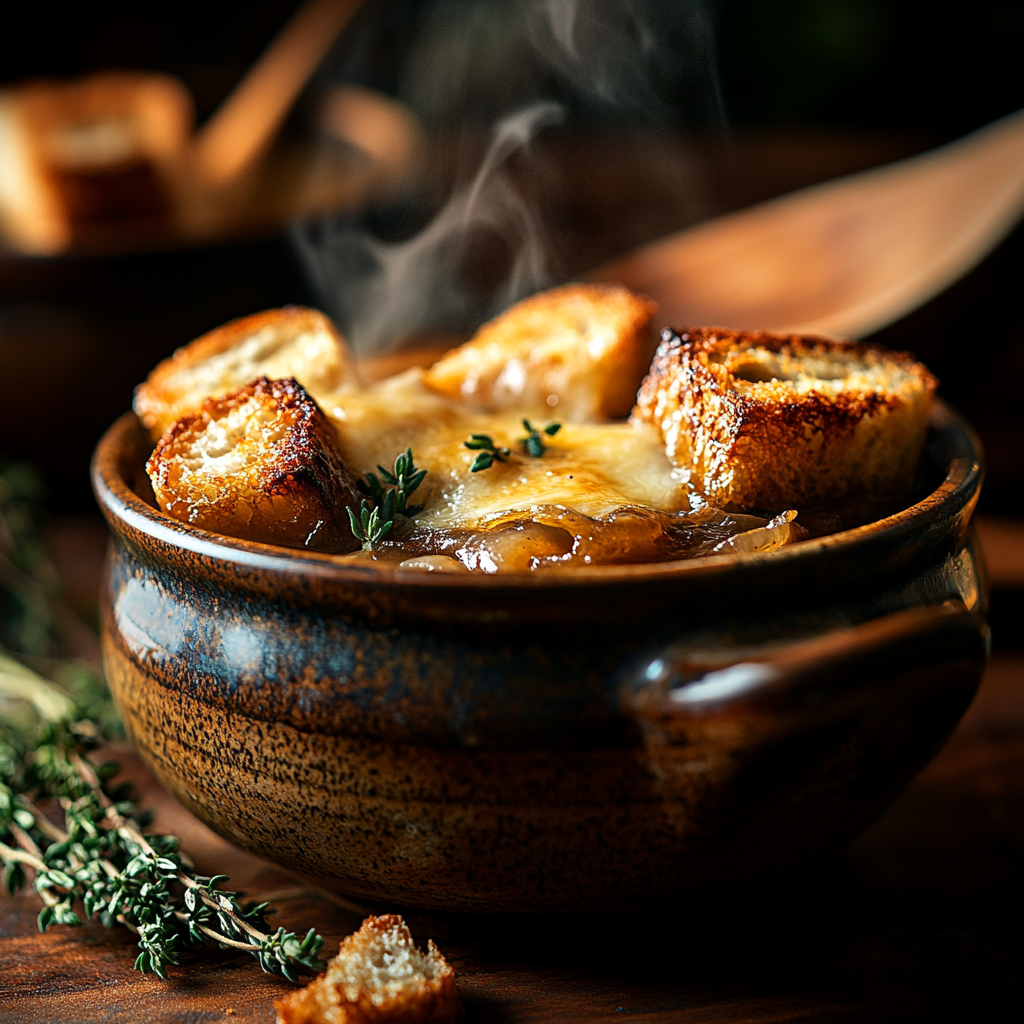
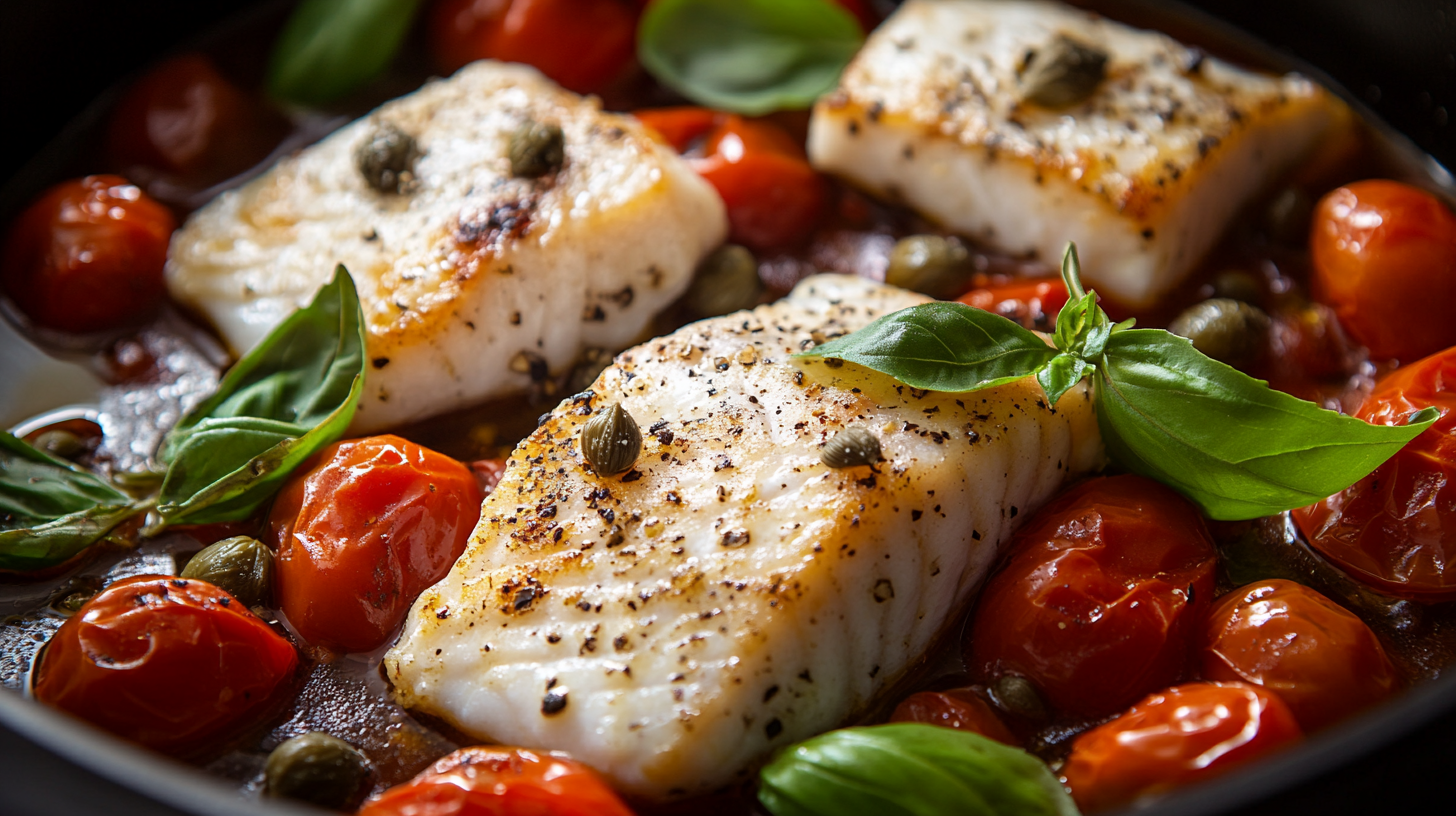
🧑🍳When cooking with wine, the alcohol evaporates, leaving behind concentrated flavor compounds that enrich sauces, braises, and risottos. To maximize flavor, reduce wine in a sauce by half before adding other ingredients; this technique intensifies the taste while minimizing alcohol content. For those avoiding alcohol, non-alcoholic wines have improved significantly, providing a flavorful alternative without the ethanol. Cook with wine freely to enhance your culinary creations.
This post contains affiliate links.
About this article
Foodbe.ai exists to inform consumers about the food they buy and eat. Every claim is cited. Sources: NIH, USDA, FDA, Smithsonian, and JSTOR. Found an error? Email us at admin@foodbe.ai to report any source or fact issues.