June 4, 2026
Why does the gut feel off after takeout?
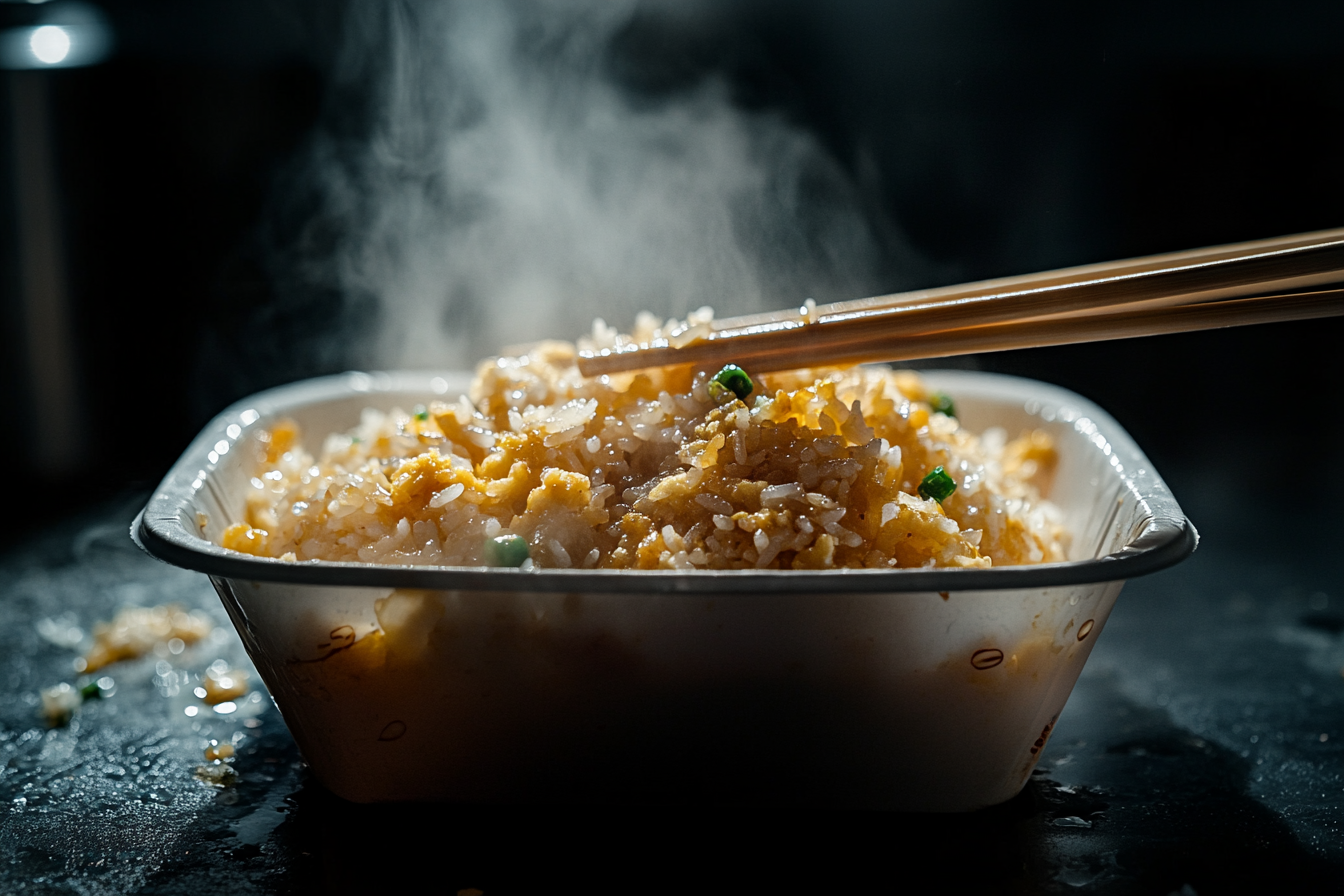
The bloating starts around hour two. By then the stomach has signaled fullness to the brain but the food may still be sitting in the stomach.
Fat-rich meals trigger prolonged cholecystokinin release from the small intestine, which slows gastric emptying as a normal response to fat digestion. An unusually large fat load can extend this effect and produce sustained feelings of heaviness and fullness. High-sodium meals are associated with increased bloating and may contribute to fluid retention, adding to the heavy feeling after restaurant meals.
Stomach and intestinal distension from large meal volumes activates mechanoreceptors in the gut wall. These stretch receptors signal the enteric and central nervous systems, producing the bloating, pressure, and discomfort associated with overeating regardless of food source. Portion sizes at restaurants and in takeout orders have increased substantially over recent decades.
This post contains affiliate links.
About this article
Foodbe.ai exists to inform consumers about the food they buy and eat. Every claim is cited. Sources: NIH, USDA, FDA, Smithsonian, and JSTOR. Found an error? Email us at admin@foodbe.ai to report any source or fact issues.