June 4, 2026
Why do probiotics work differently for different people?
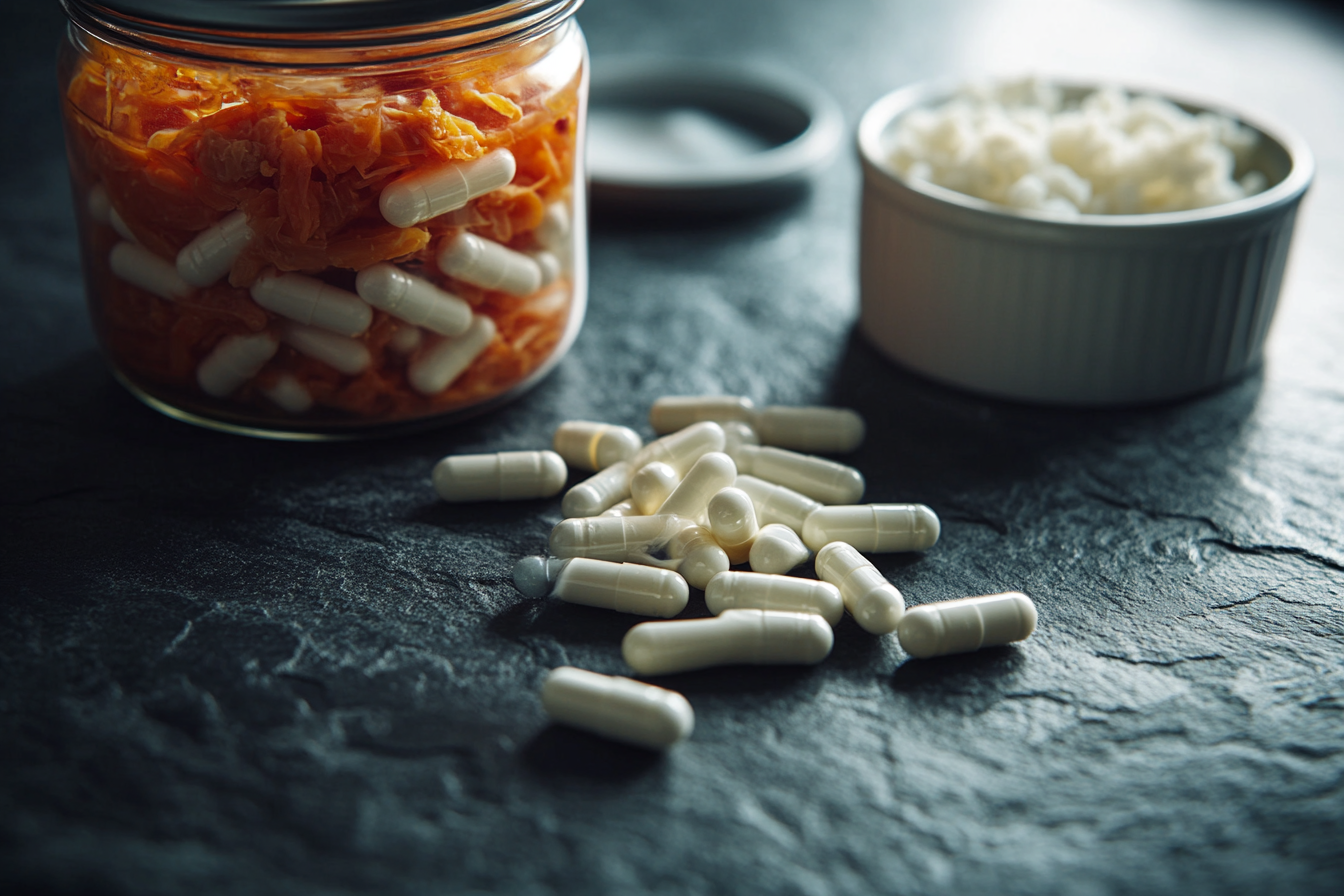
The label says 10 billion CFUs. Your gut may have already decided none of them get to stay.
Colonization resistance is a well-characterized ecological phenomenon in which resident microbial communities limit the establishment of incoming strains through niche competition, nutrient competition, metabolite production, and immune modulation.
Probiotic strains face the same barriers as potential pathogens when introduced into an occupied microbial ecosystem, and the existing microbiome reflects years of diet, environment, medication, and genetics — all of which shape the competitive landscape an incoming probiotic must contend with. Research suggests many probiotic strains persist only transiently, often declining within days to weeks after supplementation stops, with the degree of engraftment varying substantially between individuals with similar demographics and health status.
Humans have consumed fermented foods for thousands of years — evidence from Neolithic China suggests fermented grain and fruit beverages from at least 9,000 years ago. Virtually every food culture independently developed fermentation as a preservation technology, producing yogurt, 🥛 kefir, 🥬 kimchi, 🥣 miso, 🥬 sauerkraut, tempeh, injera, and hundreds of other regional ferments long before the microbial science caught up. The modern isolated probiotic supplement is a 20th-century innovation.
This post contains affiliate links.
About this article
Foodbe.ai exists to inform consumers about the food they buy and eat. Every claim is cited. Sources: NIH, USDA, FDA, Smithsonian, and JSTOR. Found an error? Email us at admin@foodbe.ai to report any source or fact issues.