June 4, 2026
Why do probiotics need prebiotics?
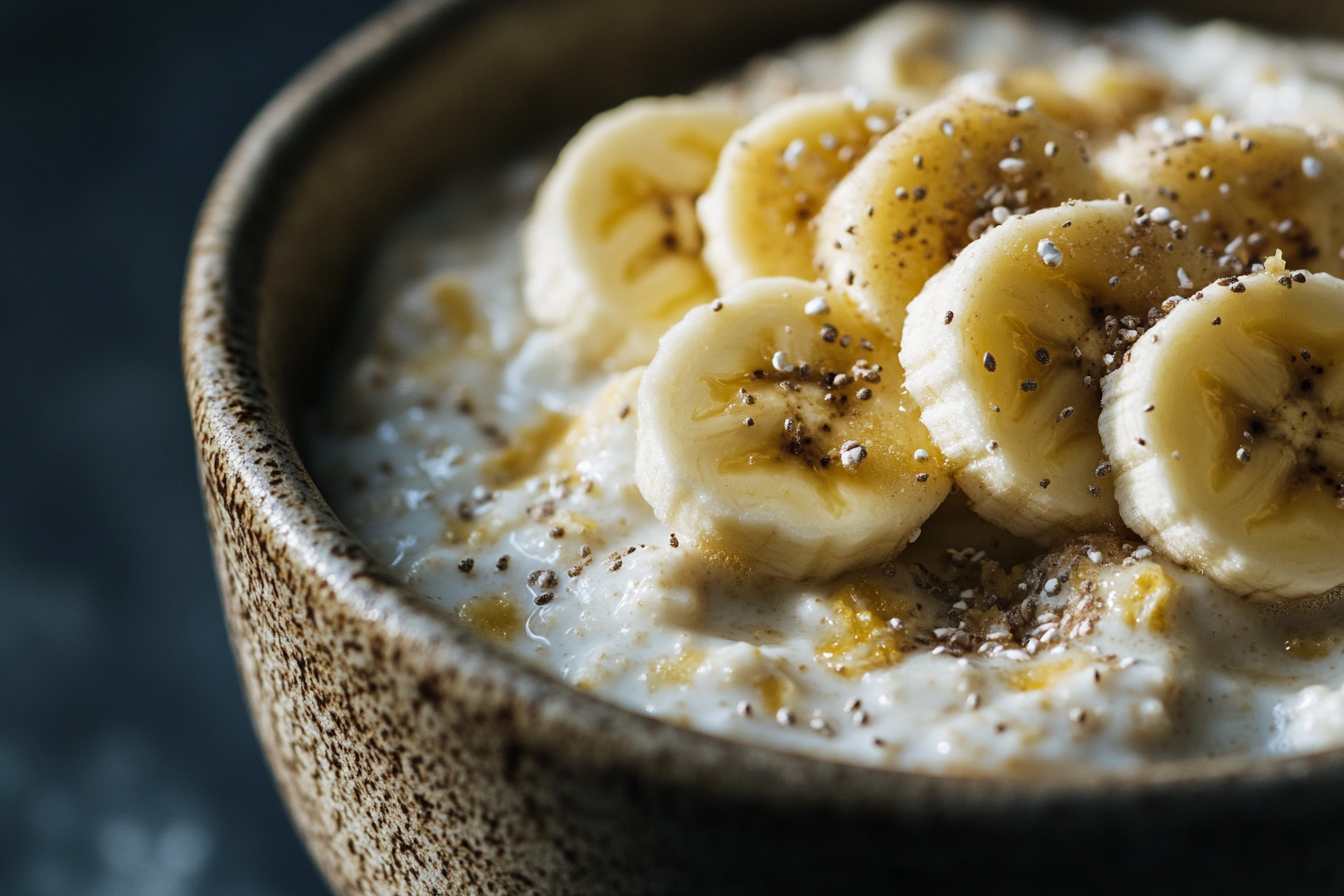
The probiotic label only tells half the story. Probiotic bacteria are usually transient in the gut and typically do not permanently colonize the intestines. Prebiotic fiber — the specific dietary fiber that feeds these bacteria — may be the more important part.
Prebiotics are specific non-digestible fibers including inulin, fructooligosaccharides (FOS), and galactooligosaccharides that selectively stimulate beneficial gut bacteria including Bifidobacterium and other fermenting species. When prebiotic fibers are fermented by gut bacteria, they produce short-chain fatty acids including butyrate, acetate, and propionate. These metabolites fuel intestinal cells and are associated with improved gut barrier function and anti-inflammatory signaling in many studies.
The prebiotic concept was formally introduced by Glenn Gibson and Marcel Roberfroid in 1995. They defined prebiotics as non-digestible food ingredients that selectively stimulate the growth and activity of beneficial bacteria in the colon, establishing the scientific distinction between feeding existing bacteria and introducing new ones. The synbiotic concept — combining probiotics and prebiotics in a single product or food — emerged from recognition that probiotic bacteria perform better when their preferred fuel is present.
This post contains affiliate links.
About this article
Foodbe.ai exists to inform consumers about the food they buy and eat. Every claim is cited. Sources: NIH, USDA, FDA, Smithsonian, and JSTOR. Found an error? Email us at admin@foodbe.ai to report any source or fact issues.