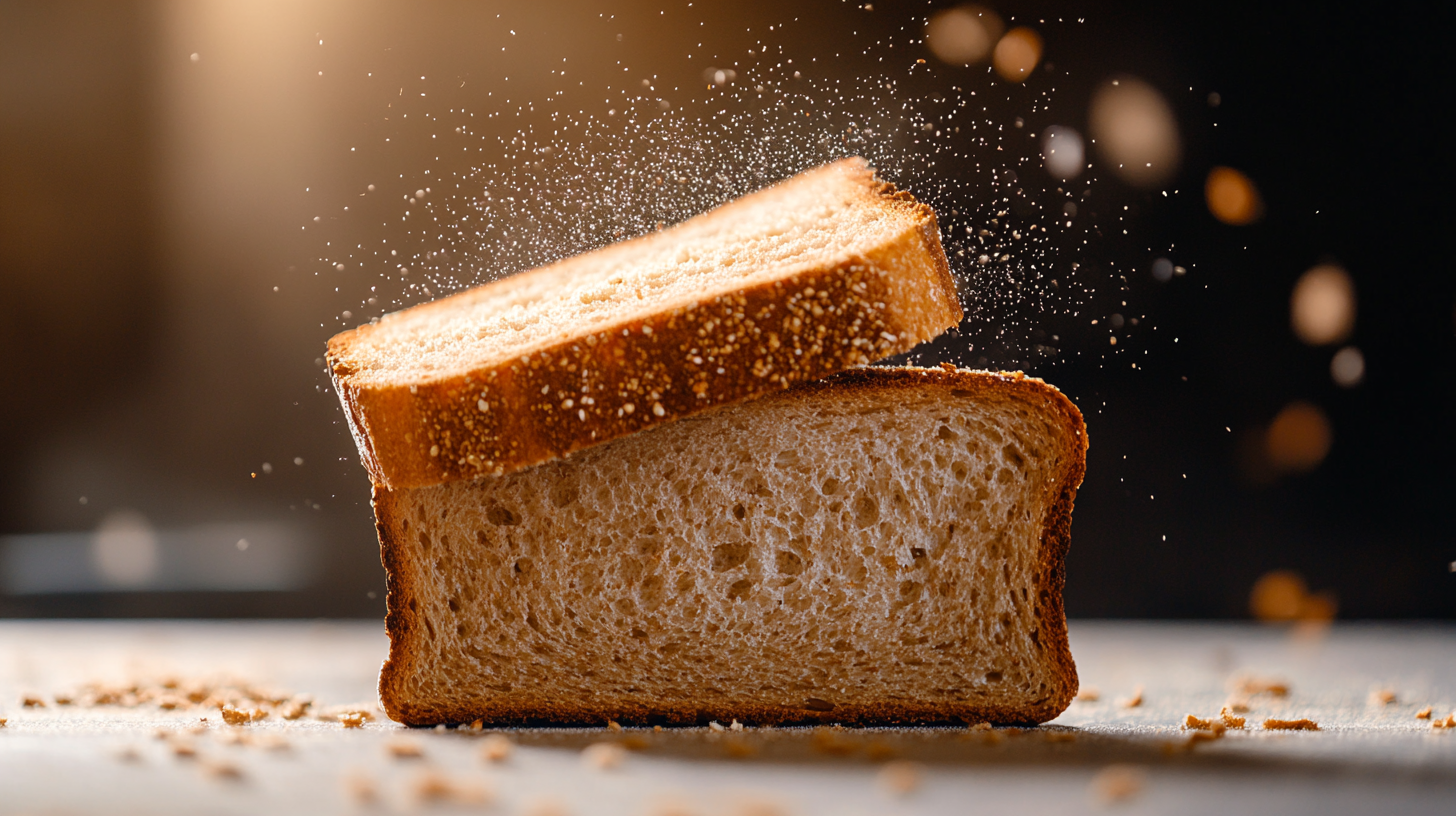
🧬Whole wheat bread is a nutritious staple that offers a nutty and earthy flavor profile. With approximately 6 grams of protein per 100 grams, it provides sustained energy while supporting stable glucose levels. The high fiber content acts as a prebiotic, promoting gut health and potentially aiding in cholesterol regulation, making it a beneficial choice for those looking to enhance their digestive well-being.
🧑🍳When baking whole wheat bread, utilizing a Dutch oven can significantly improve the crust's texture. This method traps steam, mimicking the conditions of professional ovens and yielding a beautifully crackling crust. Additionally, ensuring the dough has a hydration level of 75-80% allows for proper gluten alignment without the need for kneading, resulting in a tender crumb. Scoring the dough before baking will also direct its expansion, ensuring an even rise.
This post contains affiliate links.
About this article
Foodbe.ai exists to inform consumers about the food they buy and eat. Every claim is cited. Sources: NIH, USDA, FDA, Smithsonian, and JSTOR. Found an error? Email us at admin@foodbe.ai to report any source or fact issues.