🧬White wine offers a refreshing blend of fruity and crisp flavors, with a low calorie count of just 82 per 100g. Research suggests that its light polyphenols and flavonoids may contribute to antioxidant support, promoting relaxation and social bonding. The calming effects of white wine can enhance mood and provide a soothing experience, making it a popular choice for unwinding after a long day.
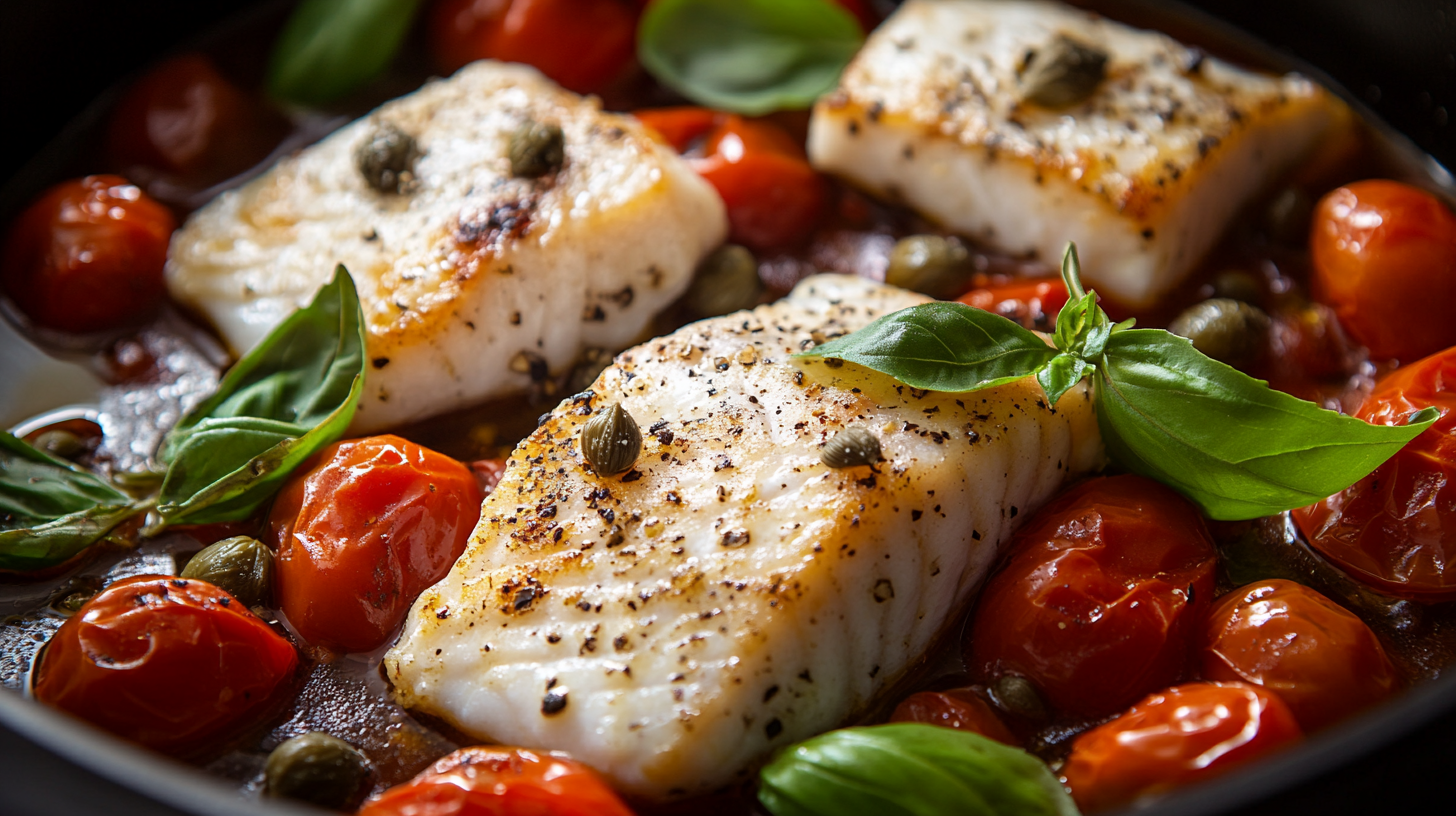
🧑🍳In the kitchen, white wine can be a versatile ingredient, enhancing the flavors of various dishes. When cooking with it, consider using it to deglaze pans or as a marinade, as its acidity can tenderize proteins and elevate the overall taste. For best results, pair it with dishes that complement its lightness, such as seafood or poultry, ensuring that the cooking technique does justice to the ingredient's delicate profile.
This post contains affiliate links.
About this article
Foodbe.ai exists to inform consumers about the food they buy and eat. Every claim is cited. Sources: NIH, USDA, FDA, Smithsonian, and JSTOR. Found an error? Email us at admin@foodbe.ai to report any source or fact issues.