June 4, 2026
👖 Which multivitamins are best for GLP-1 users?
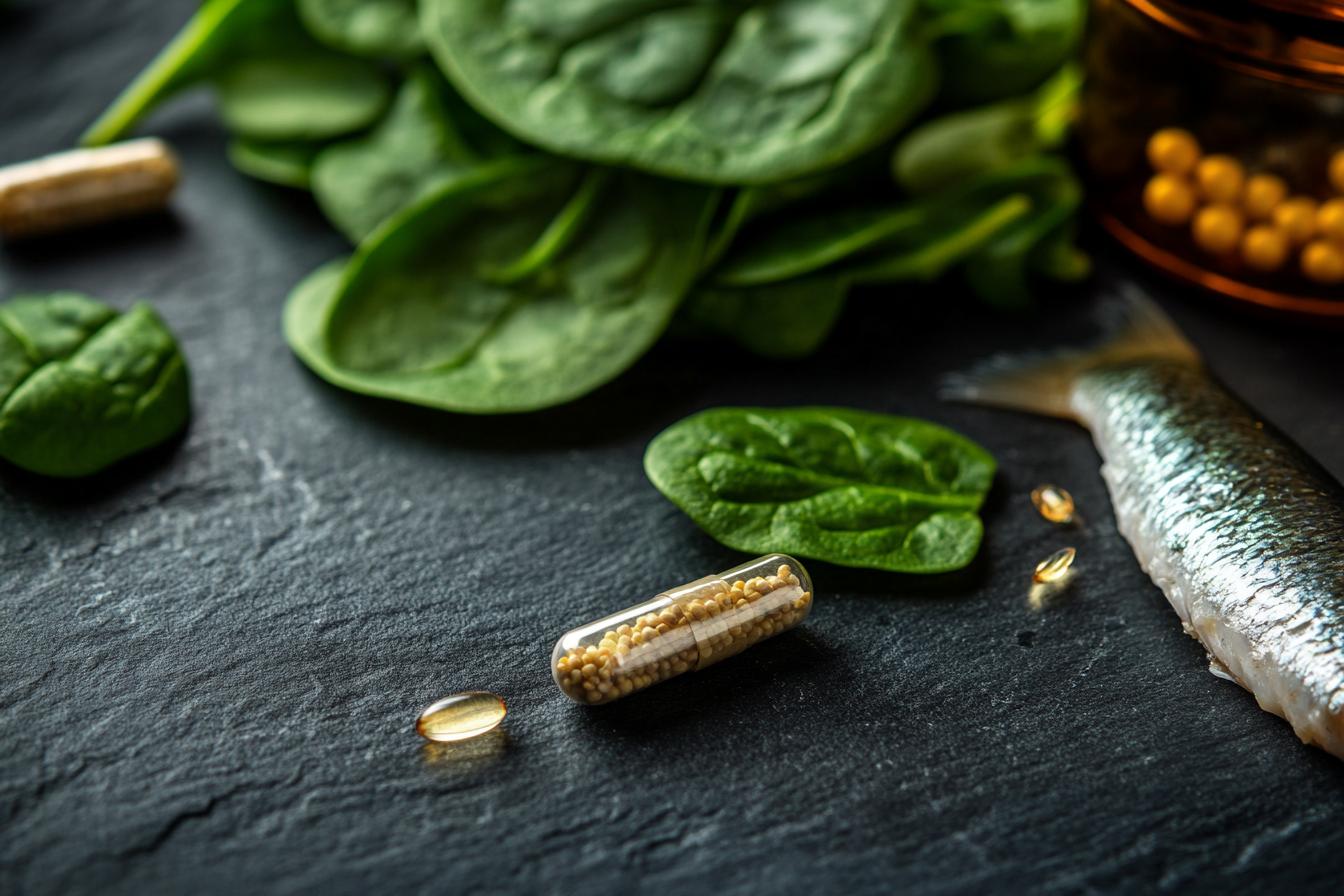
GLP-1 receptor agonist users are at increased risk for nutritional deficiencies — especially vitamin D deficiency, nutritional anemia, and other vitamin or mineral deficiencies. That risk is documented in real-world data and is plausibly related to reduced food intake. Monitoring these nutrients is increasingly recommended as a clinical precaution, though formal consensus guidelines are still emerging.
GLP-1 medications became mainstream in diabetes and obesity care for a reason. They work. But the same mechanism that helps you eat less also means you may be taking in less of the nutrients your body needs — especially when portions shrink and meals become less consistent.
The person on GLP-1 doesn't need a separate menu — they need the same food in a smaller portion with protein at the center. Lean chicken, 🥚 eggs, lentils, Greek yogurt — all of them deliver protein with minimal volume. Berries with a dollop of full-fat yogurt adds nutrients, fat, and protein while keeping the portion manageable.

This post contains affiliate links.
About this article
Foodbe.ai exists to inform consumers about the food they buy and eat. Every claim is cited. Sources: NIH, USDA, FDA, Smithsonian, and JSTOR. Found an error? Email us at admin@foodbe.ai to report any source or fact issues.