June 4, 2026
What's the real difference between probiotics and prebiotics?
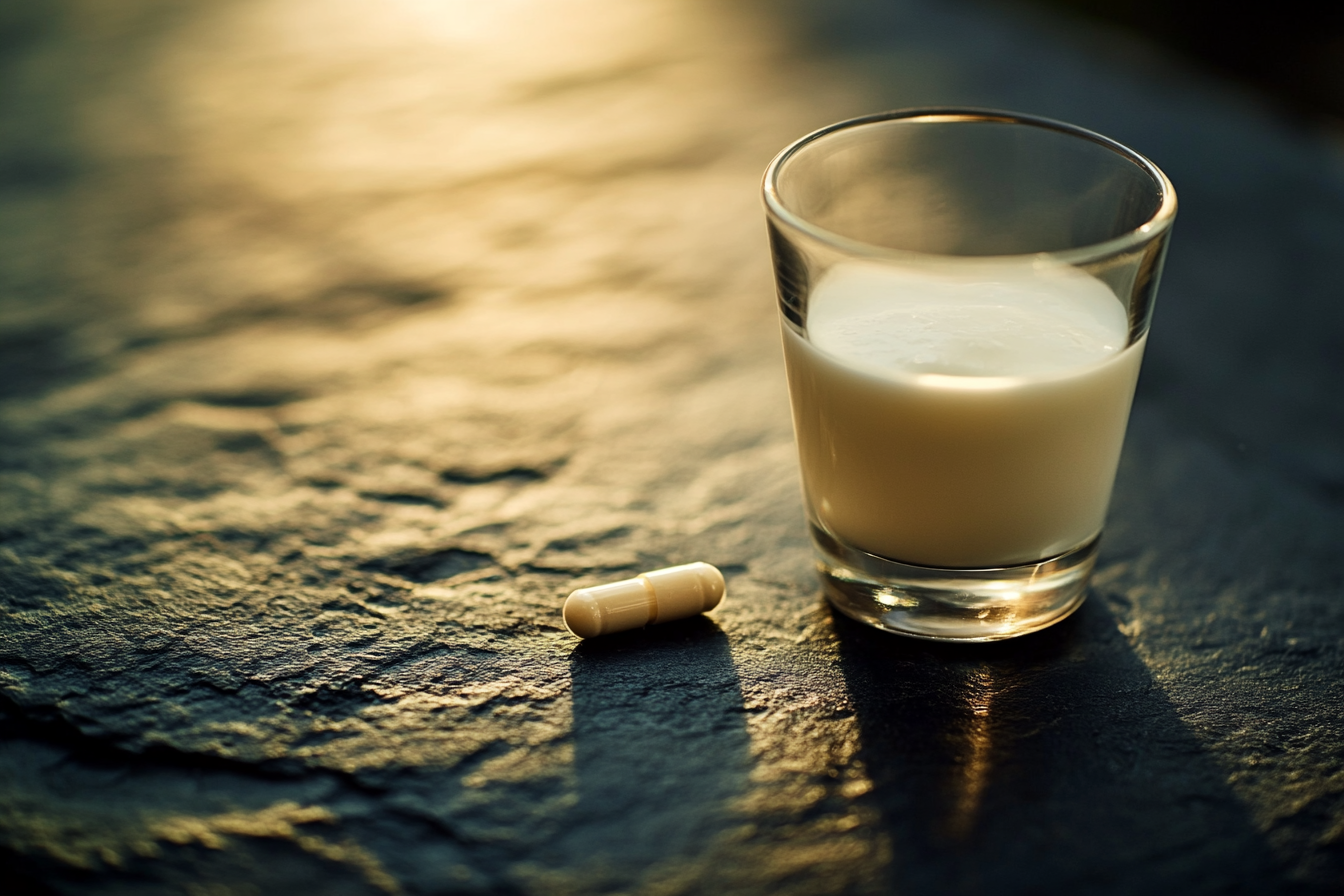
A spoonful of yogurt delivers billions of bacteria across multiple strains. A capsule of probiotic supplements typically delivers one or two strains in isolation. For most healthy people, fermented foods provide broader microbial diversity than single-strain supplements.
Probiotics are live microorganisms — primarily bacteria — that may confer health benefits by transiently modulating the gut microbial community; most probiotic strains do not permanently colonize the gut and typically pass through within days to weeks; their benefits come primarily from their transient presence, which is why consistent consumption of fermented foods tends to produce more sustained effects than periodic supplementation.
Prebiotics are non-digestible substrates — primarily dietary fibers — that are selectively fermented by resident gut bacteria to produce short-chain fatty acids and other compounds that support microbial health. The simplest way to understand the distinction is this: probiotics are the bacteria, prebiotics are the food for bacteria.
The scientific foundation for probiotics traces to Elie Metchnikoff, a Nobel Prize-winning biologist at the Pasteur Institute who proposed in the early 1900s that lactic acid bacteria in fermented dairy — particularly Bulgarian yogurt — could suppress intestinal putrefaction and extend human life. The modern clinical definition of probiotics wasn't formalized until the early 2000s, and no probiotic product has received FDA approval for a specific health claim.
The strongest human evidence supports their use for antibiotic-associated diarrhea and some forms of infectious diarrhea. For gut inflammation, results depend heavily on which condition and which strains. Most other use cases are promising but not settled.
The term 'prebiotic' was introduced in 1995 by researchers Glenn Gibson and Marcel Roberfroid to distinguish dietary compounds that selectively nourish beneficial bacteria from the bacteria themselves. The most studied — inulin, fructooligosaccharides (FOS), and galactooligosaccharides (GOS) — escape digestion in the small intestine, reach the colon intact, and are selectively fermented by beneficial bacteria including Bifidobacteria and Lactobacilli. When both are consumed together, they are sometimes called synbiotics.
This post contains affiliate links.
About this article
Foodbe.ai exists to inform consumers about the food they buy and eat. Every claim is cited. Sources: NIH, USDA, FDA, Smithsonian, and JSTOR. Found an error? Email us at admin@foodbe.ai to report any source or fact issues.