June 4, 2026
👖 What snacks work best on GLP-1?
The stomach already feels full. The snack has to do something meaningful anyway.
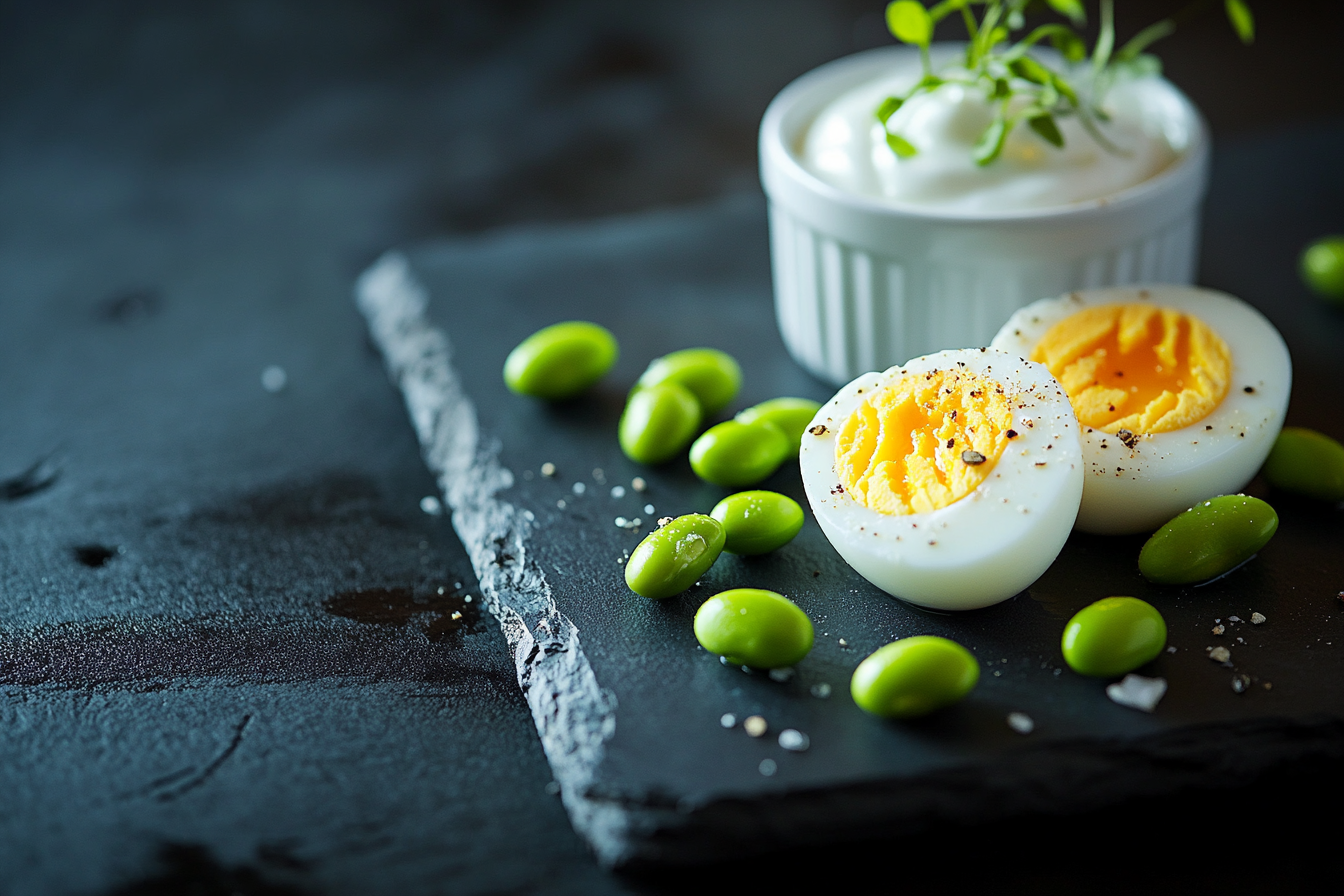
On GLP-1, snacks often work better as small protein and nutrient top-ups between meals rather than purely appetite-driven eating. Leading with protein is the most important part. Hard boiled eggs, 🥛 Greek yogurt, 🥣 cottage cheese, edamame — these are the kinds of snacks that actually move the needle.
Protein-based snacks may help support the same fullness signaling that GLP-1 medications are designed to influence. Research suggests protein stimulates PYY and endogenous GLP-1 secretion from intestinal L-cells, meaning even a modest amount of protein between meals may help maintain satiety hormone signaling. The hormone dynamics are different from the medication — but the signaling is complementary, not redundant.
Many ultra-processed snacks are designed to be easy to overeat and often deliver a lot of calories without much protein or fiber — which on GLP-1 where appetite signaling is already altered usually makes them a less helpful option. High-fat or heavily processed foods tend to sit uncomfortably on a stomach that's already moving slowly. Simpler and lighter foods usually feel easier to tolerate.
Hard boiled eggs are probably the most practical snack on GLP-1 — six grams of protein each, portable, no prep once they're cooked, and easy on the stomach. A small bowl of 🥣 cottage cheese with some cucumber or a few cherry tomatoes takes about thirty seconds to put together and covers protein without feeling heavy. Edamame from frozen is worth keeping around — a half cup has about eight grams of protein and some fiber, takes a few minutes to heat, and is easy to eat a little at a time.

This post contains affiliate links.
About this article
Foodbe.ai exists to inform consumers about the food they buy and eat. Every claim is cited. Sources: NIH, USDA, FDA, Smithsonian, and JSTOR. Found an error? Email us at admin@foodbe.ai to report any source or fact issues.