June 4, 2026
What is probiotic food?
The label says 🥬 sauerkraut. The shelf-stable jar in the canned goods aisle is usually pasteurized and does not contain live bacteria. Probiotic foods contain live microorganisms that may confer health benefits — but those bacteria must be alive at the point of consumption.
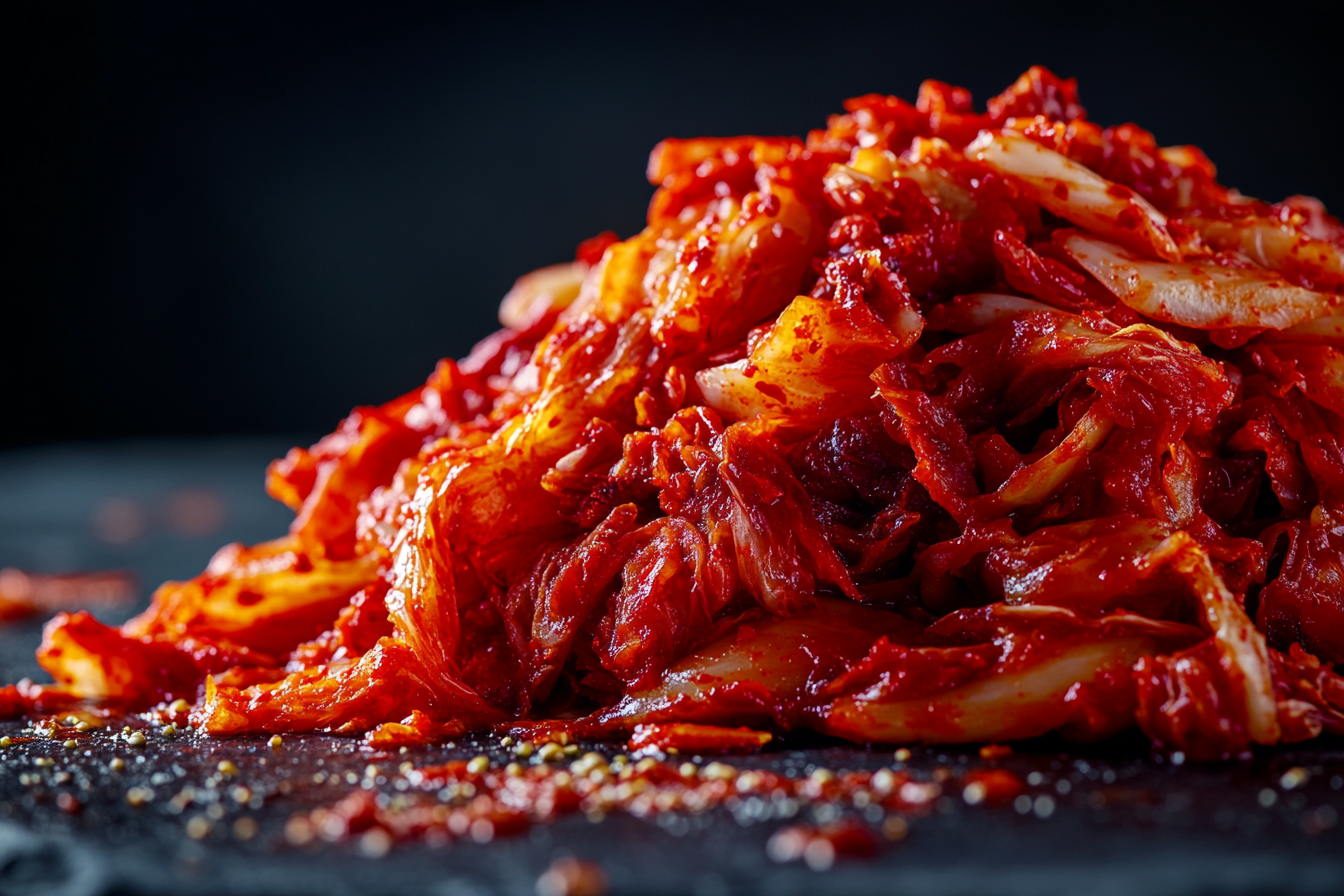
Common fermented foods that may contain live microbes include yogurt, 🥛 kefir, fresh 🥬 sauerkraut, 🥬 kimchi, and 🥣 miso. Each contains distinct bacterial strains with different characteristics and varying research support. Refrigeration helps maintain live cultures in many fresh fermented foods — look for refrigerated, unpasteurized 🥬 sauerkraut and 🥬 kimchi labeled with live or active cultures; shelf-stable and pasteurized versions generally do not provide live bacteria.
The probiotic benefit of a food depends on the specific strains present, their viability at consumption, and the amount consumed. Not all fermented foods qualify as probiotic, and not all probiotic foods have equivalent evidence for health effects. The widely used FAO/WHO definition describes probiotics as live microorganisms that confer a health benefit on the host when administered in adequate amounts; later expert panels reaffirmed that definition.
This post contains affiliate links.
About this article
Foodbe.ai exists to inform consumers about the food they buy and eat. Every claim is cited. Sources: NIH, USDA, FDA, Smithsonian, and JSTOR. Found an error? Email us at admin@foodbe.ai to report any source or fact issues.