June 4, 2026
👖 What ice cream can I eat on Ozempic?
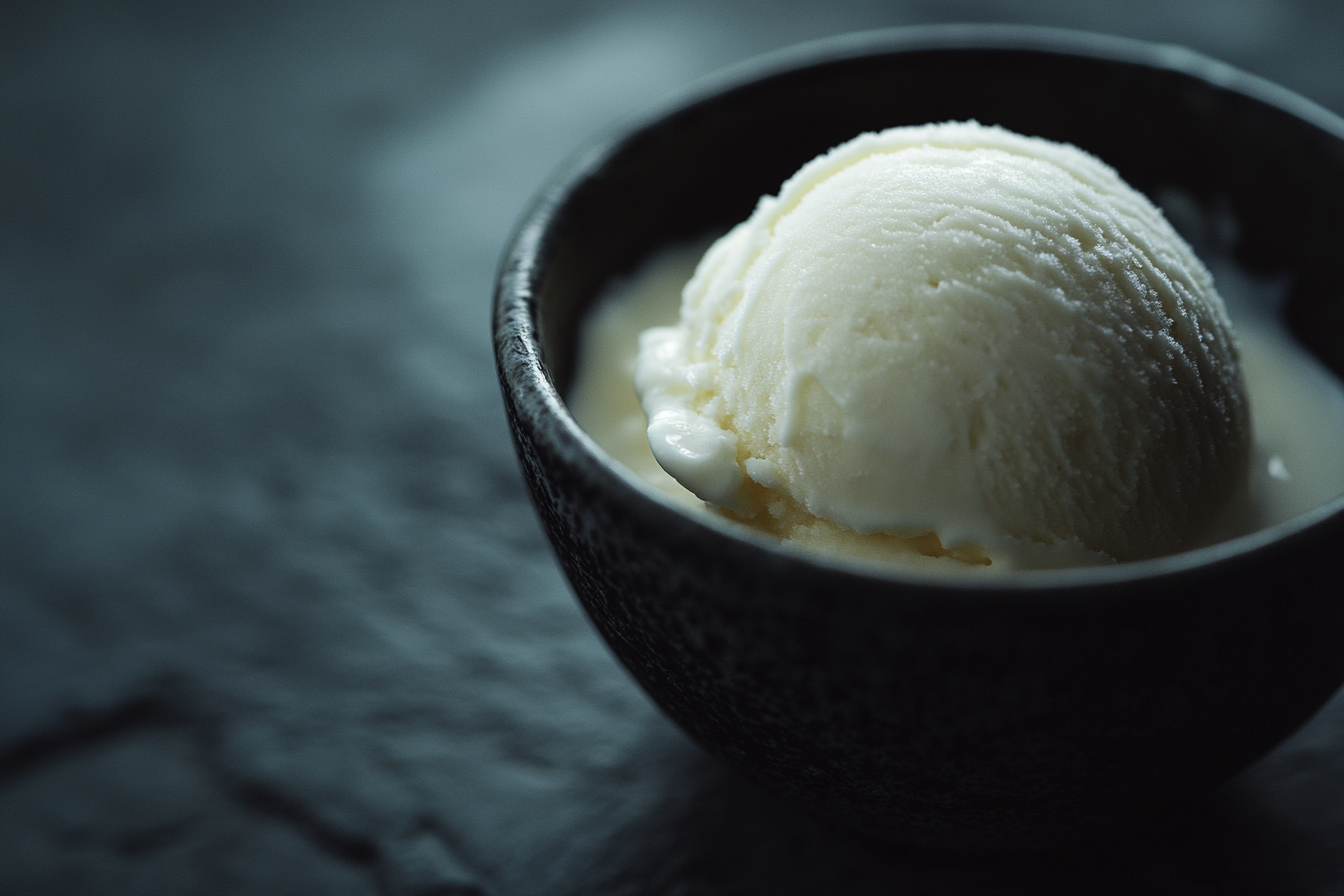
The stomach empties slower on Ozempic. That's the point — it's what creates the fullness that makes the medication work. But it's also why a bowl of ice cream hits differently than it used to.
When taking Ozempic, you can eat ice cream in moderation, but lower-calorie, lower-sugar, and lower-fat options are usually easier to fit into the diet. Rich, high-fat foods can be harder to tolerate on semaglutide, while high-sugar foods can make ice cream harder to fit into calorie goals. GLP-1 agonists work best with nutrition strategies that support adequate protein, fiber, micronutrients, and side-effect management.
Semaglutide produces substantial weight loss when paired with a reduced-calorie diet and lifestyle intervention, as demonstrated in the STEP clinical trials. Gastrointestinal side effects, including nausea and slowed gastric emptying, are common with GLP-1 agonists, and rich, fatty foods may be harder to tolerate. Nutritional management during GLP-1 therapy should prioritize nutrient-dense, lower-calorie foods to prevent deficiencies and optimize outcomes.
Ice cream evolved from an elite dessert into a more widely available treat in the 19th century. Modern lower-calorie ice creams emerged in response to demand for lighter frozen desserts.
Choose ice cream labeled "light," "low-fat," or "no sugar added" to reduce calorie and fat intake. Limit ice cream to occasional, portion-controlled treats to stay within calorie goals. Pair ice cream with fiber-rich fruit to increase satiety and reduce blood sugar spikes.

This post contains affiliate links.
About this article
Foodbe.ai exists to inform consumers about the food they buy and eat. Every claim is cited. Sources: NIH, USDA, FDA, Smithsonian, and JSTOR. Found an error? Email us at admin@foodbe.ai to report any source or fact issues.