June 4, 2026
What causes IBS?
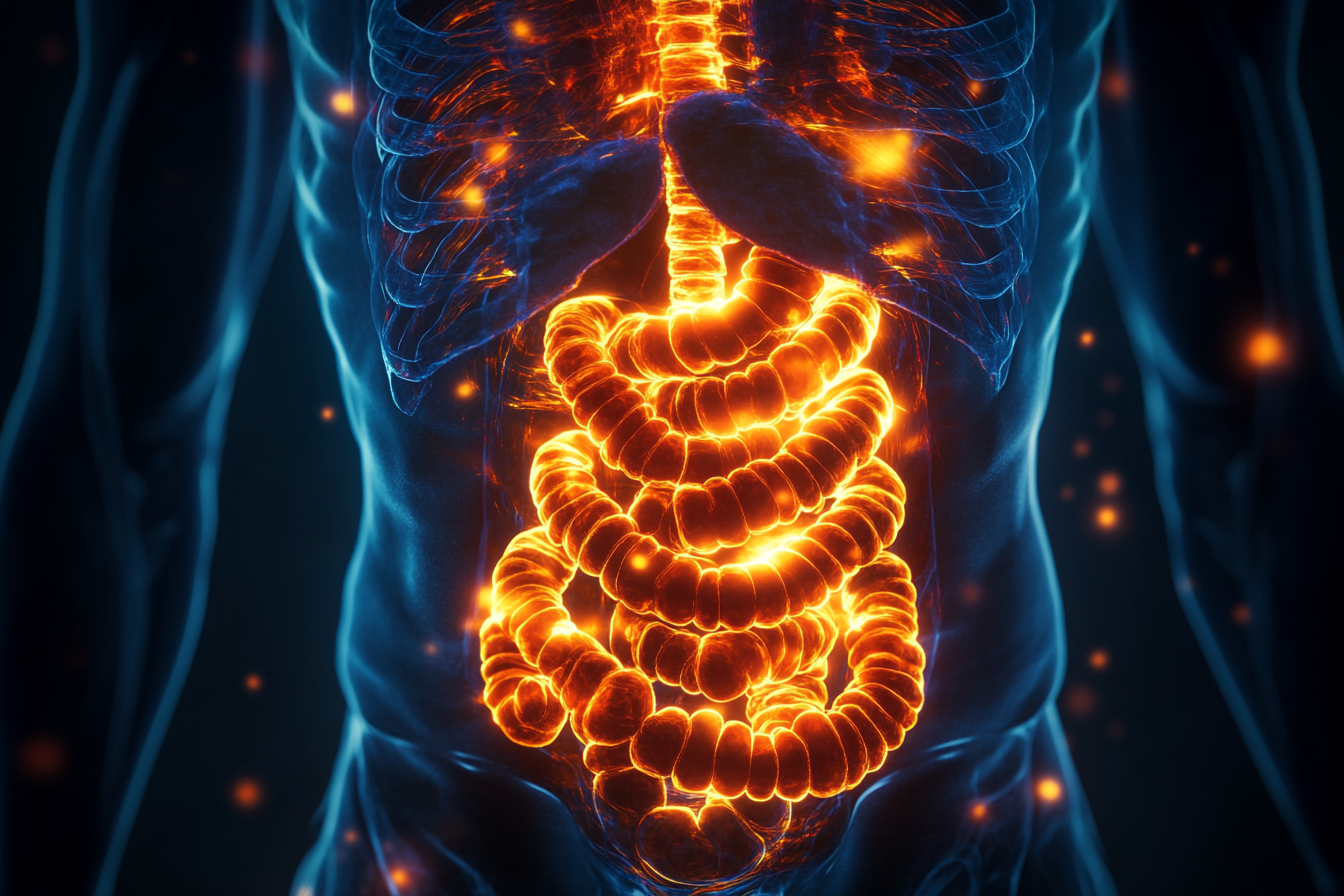
The cramping starts an hour after eating — not during, when help might actually be possible. That kind of delayed cramping can fit with IBS, where gut-brain communication problems appear in many patients.
IBS doesn't have one single cause. It's a syndrome with several overlapping drivers: gut-brain communication problems, heightened gut sensitivity, changes in gut bacteria, and a history of gut infections or chronic stress.
IBS usually does not have clear structural abnormalities on routine diagnostic testing. The gut and brain are in constant communication through the gut-brain axis, and in IBS that signaling appears dysregulated, which may make normal digestive activity feel painful or urgent.
People with IBS often have a more sensitive gut than normal. Research suggests visceral hypersensitivity — a lower pain threshold in the gut — is one of the most consistent findings in IBS studies, meaning the nervous system that controls the gut becomes more sensitive to normal digestive signals in a way that causes pain or urgency.
This post contains affiliate links.
About this article
Foodbe.ai exists to inform consumers about the food they buy and eat. Every claim is cited. Sources: NIH, USDA, FDA, Smithsonian, and JSTOR. Found an error? Email us at admin@foodbe.ai to report any source or fact issues.