June 4, 2026
What causes food intolerance?
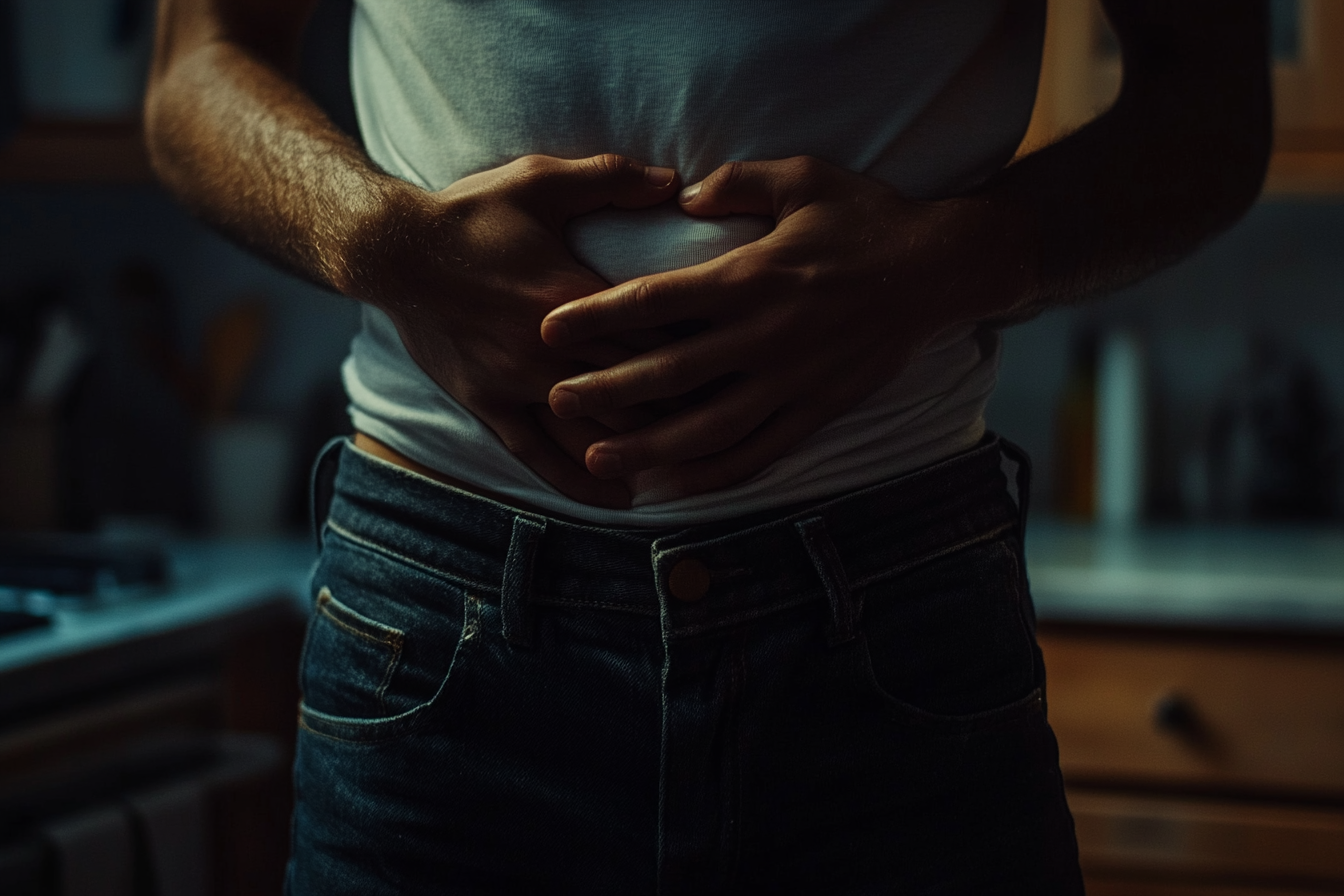
The cramping starts an hour after the meal. By then, the body has already decided.
Food intolerance symptoms often come from overlapping mechanisms: enzyme deficiency, fermentation load, and visceral hypersensitivity. Enzyme deficiency is the clearest: the body lacks adequate digestive enzymes to break down a specific compound. The most well-known example is lactase non-persistence — roughly 65–70% of adults worldwide lose the ability to produce sufficient lactase after childhood, meaning lactose passes into the colon undigested, where bacteria ferment it, generating gas and drawing water into the lumen via osmotic pressure.
FODMAPs (fermentable oligosaccharides, disaccharides, monosaccharides, and polyols) trigger symptoms via the same two mechanisms: osmotic fluid retention in the small intestine and bacterial fermentation in the colon producing gas. Fructans in wheat, garlic, and onion; excess fructose in apples and pears; and polyols in stone fruits all contribute to this broad category. FODMAP-related symptoms are additive, meaning combinations of individually-tolerated foods can together exceed a threshold.
Most food intolerances are not IgE-mediated and do not involve the systemic immune responses seen in food allergy — non-immunological intolerance reactions are mostly based on carbohydrate malassimilation. This distinguishes them mechanistically and clinically from food allergy. Intolerance symptoms are typically delayed (30 minutes to several hours) and mostly gastrointestinal.
This post contains affiliate links.
About this article
Foodbe.ai exists to inform consumers about the food they buy and eat. Every claim is cited. Sources: NIH, USDA, FDA, Smithsonian, and JSTOR. Found an error? Email us at admin@foodbe.ai to report any source or fact issues.