March 9, 2025
What Ultra-Processed Food Actually Does to Your Body — The NIH Study
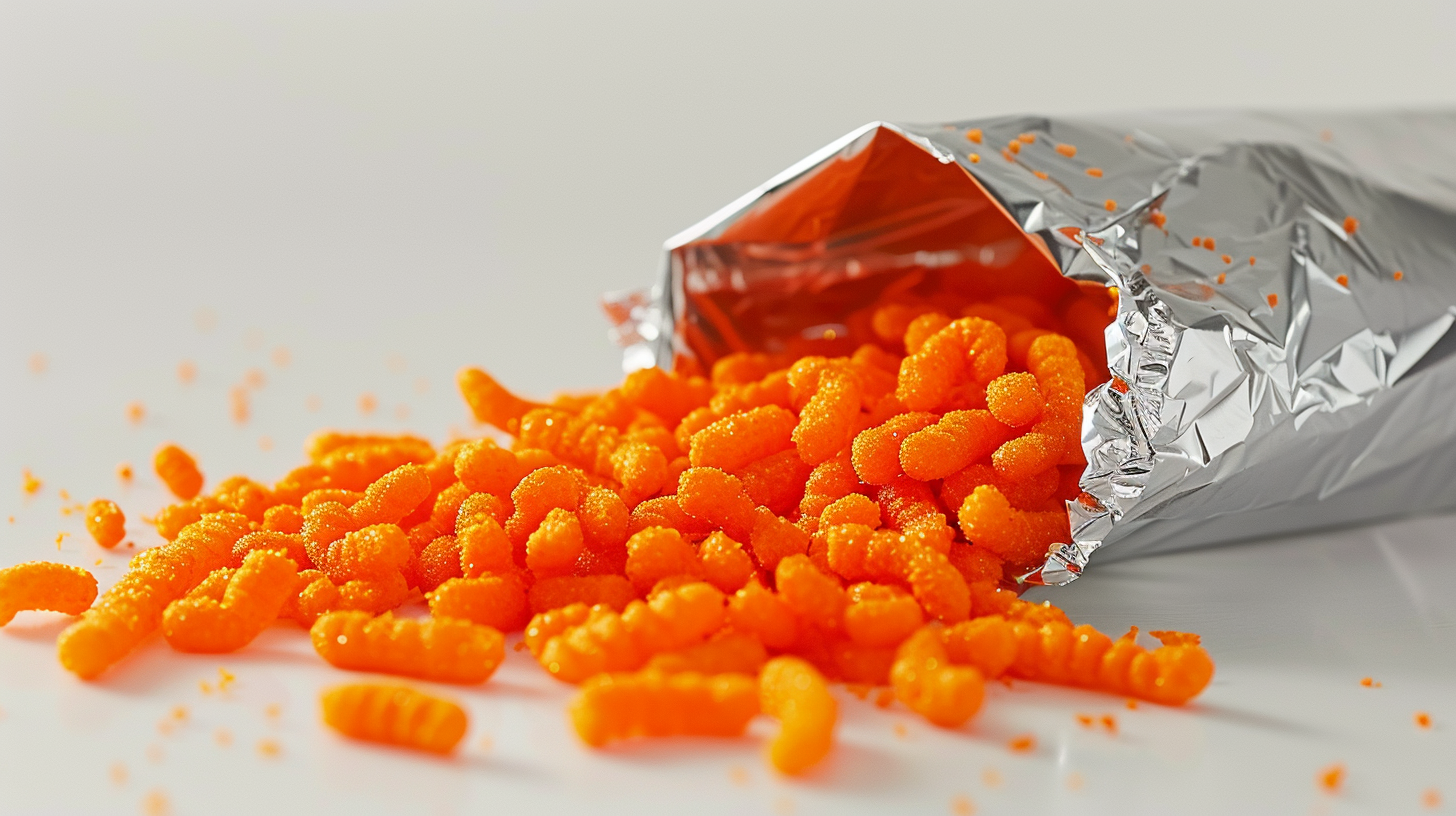
A 2019 NIH trial directly measured ultra-processed food effects by feeding participants two diets matched for presented calories, sugar, fat, sodium, fiber, and macronutrients. Under ad libitum conditions where participants could eat as much or as little as they wanted, the ultra-processed group ate about 500 more calories per day on average. They also ate faster, which may make it easier to consume more before fullness catches up.
NOVA defines ultra-processed foods as industrial formulations typically made from refined ingredients and additives, often including emulsifiers, flavor enhancers, modified starches, colors, or other ingredients not typically used in home cooking. Animal and experimental models suggest some emulsifiers may affect the intestinal mucus layer and are being investigated for potential effects on gut permeability, though human evidence is still developing.
Across 18 prospective cohort studies totaling over 1.1 million people, higher ultra-processed food consumption was associated with an increased risk of all-cause mortality (around ~15% in pooled analyses). The NIH trial highlights one possible mechanism: ultra-processed foods may promote faster eating, which could lead to higher intake before fullness signals occur.
This post contains affiliate links.
About this article
Foodbe.ai exists to inform consumers about the food they buy and eat. Every claim is cited. Sources: NIH, USDA, FDA, Smithsonian, and JSTOR. Found an error? Email us at admin@foodbe.ai to report any source or fact issues.