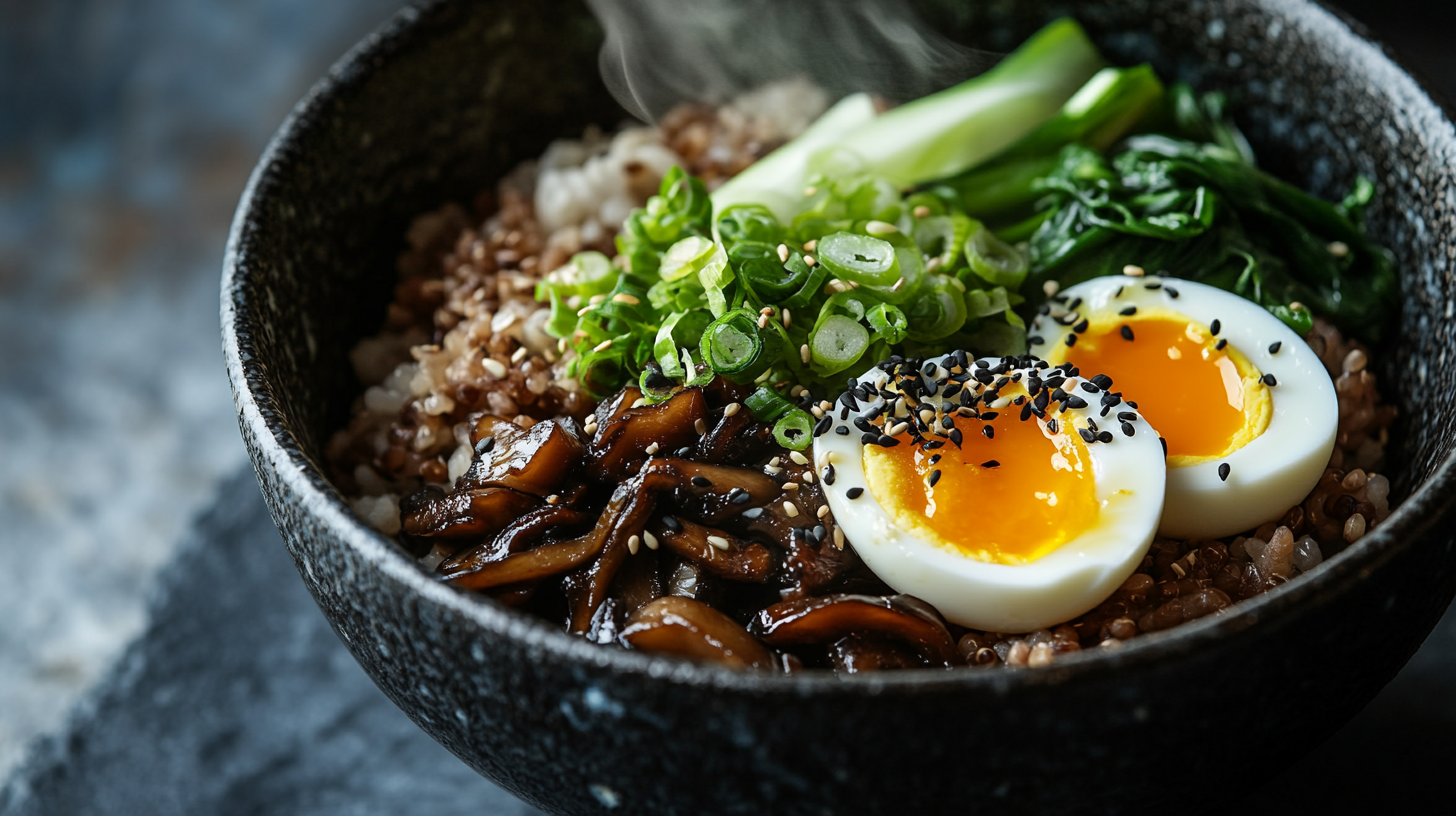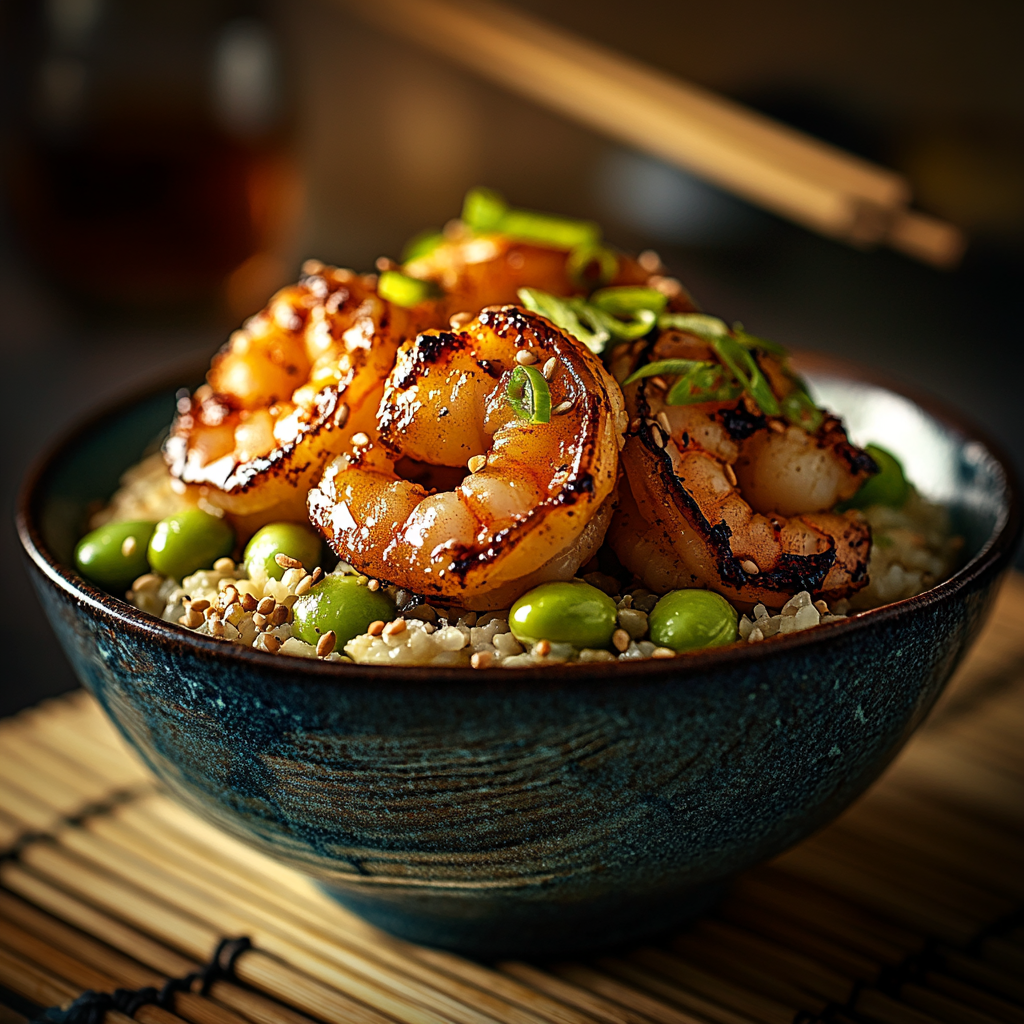
🧬Sushi is a fascinating culinary creation that combines various ingredients, often featuring fermented rice vinegar and potentially raw fish, which may contribute to gut health. With approximately 168 calories per 100 grams, sushi offers a balance of protein and fat, making it a satisfying choice for many. The inclusion of grains further enhances its nutritional profile, suggesting that it can play a role in a balanced diet.
🧑🍳When preparing sushi, it's advisable to start with sashimi for a protein-rich option without the added calories from rice. Opt for rolls that contain fewer than six ingredients to avoid unnecessary sauces and hidden calories. Additionally, requesting soy sauce on the side and dipping the fish side down allows for a more flavorful experience while reducing sodium intake.
This post contains affiliate links.
About this article
Foodbe.ai exists to inform consumers about the food they buy and eat. Every claim is cited. Sources: NIH, USDA, FDA, Smithsonian, and JSTOR. Found an error? Email us at admin@foodbe.ai to report any source or fact issues.