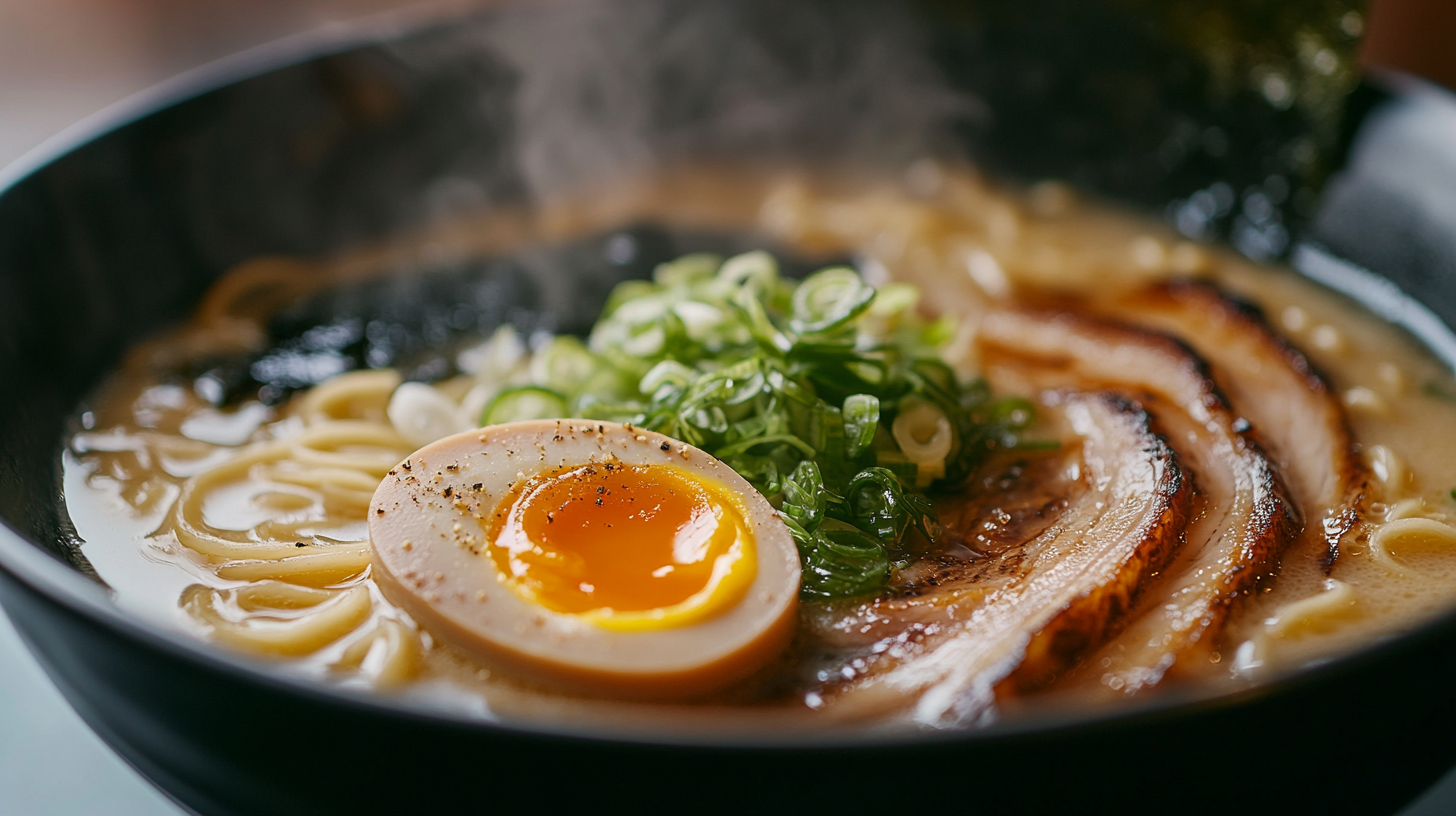
🧬Stir fry is a vibrant dish that showcases the umami and savory flavors of a variety of vegetables, making it a fiber-rich choice for gut health. With approximately 3 grams of fiber per 100 grams, this cooking method not only promotes digestive wellness but also aligns with dietary preferences such as vegan and vegetarian lifestyles. Research suggests that incorporating such fiber-rich foods can contribute to overall health benefits, including potential longevity.
🧑🍳When preparing stir fry, using an air fryer can yield impressive results, creating a crisp exterior without the excess oil of traditional frying methods. To achieve optimal browning, ensure the vegetables have relatively low moisture content and avoid overcrowding the basket, as this can lead to steaming rather than crisping. Mastering these techniques will help you achieve a delightful texture and flavor in your stir fry dishes.
This post contains affiliate links.
About this article
Foodbe.ai exists to inform consumers about the food they buy and eat. Every claim is cited. Sources: NIH, USDA, FDA, Smithsonian, and JSTOR. Found an error? Email us at admin@foodbe.ai to report any source or fact issues.