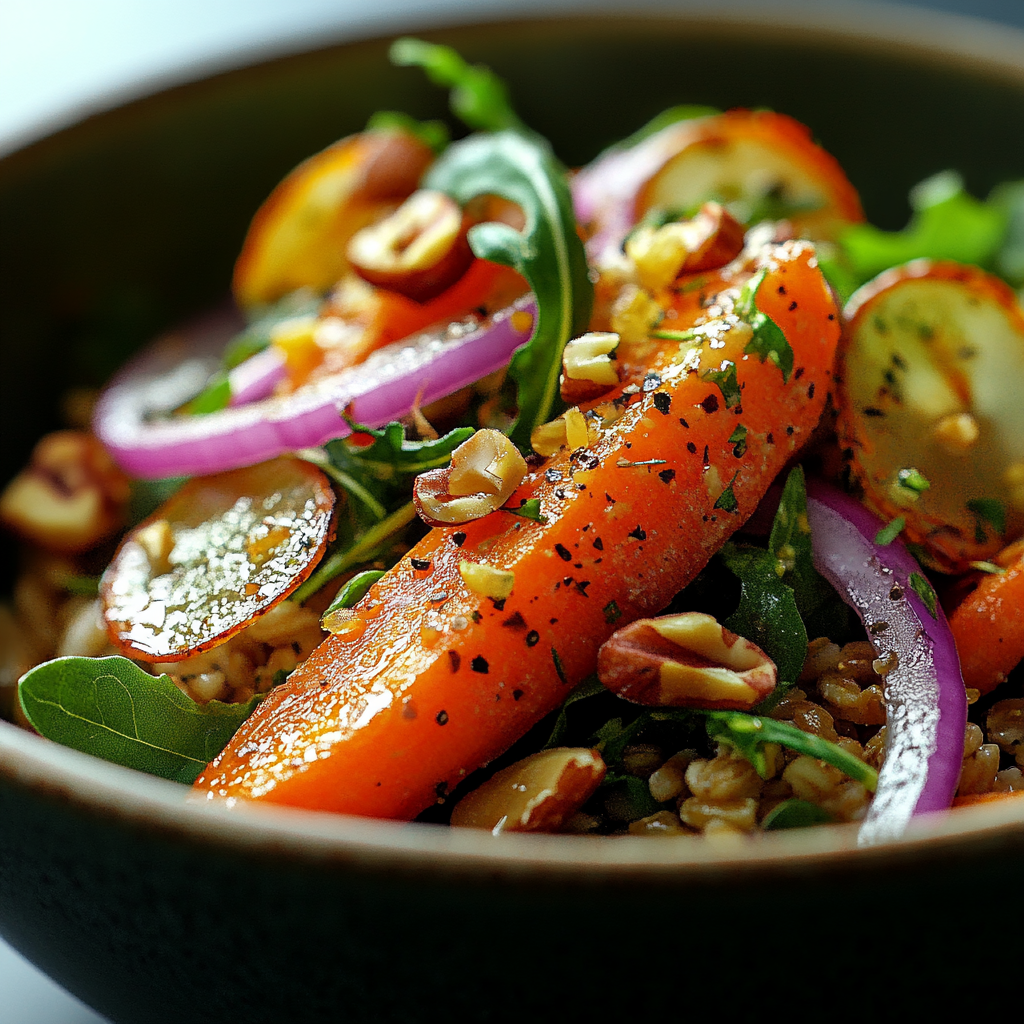
Spinach
Vegetable →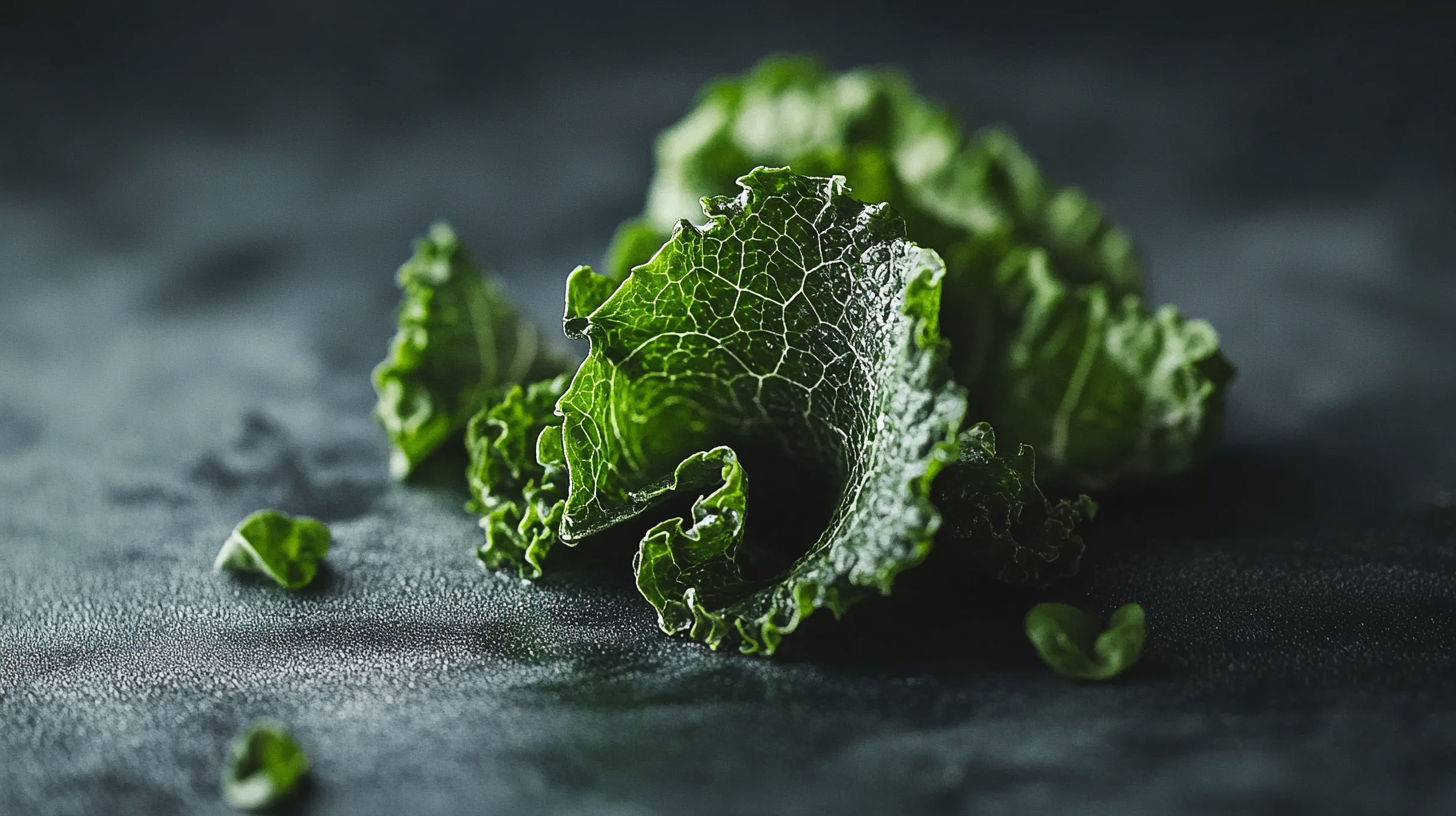
🧬Spinach is a nutrient-dense vegetable that offers a wealth of health benefits, including antioxidants that may support eye health and reduce inflammation. With only 23 calories per 100 grams, it provides a mild, earthy flavor while being a good source of fiber, which can promote gut health. Research suggests that the nitrates found in spinach may enhance clarity and focus, making it an excellent addition to any diet, especially for those seeking to improve their alertness.
🧑🍳When preparing spinach, it's best to consume it immediately after cooking, as metallic flavor compounds can develop during cooling and reheating. To counteract any off-notes, consider adding a squeeze of lemon or a splash of vinegar just before serving. If you have leftovers, incorporate cold spinach into dishes like pasta or soups instead of reheating it alone, as stronger flavors can help mask any undesirable tastes. Enjoy your spinach fresh and vibrant.
This post contains affiliate links.
About this article
Foodbe.ai exists to inform consumers about the food they buy and eat. Every claim is cited. Sources: NIH, USDA, FDA, Smithsonian, and JSTOR. Found an error? Email us at admin@foodbe.ai to report any source or fact issues.